
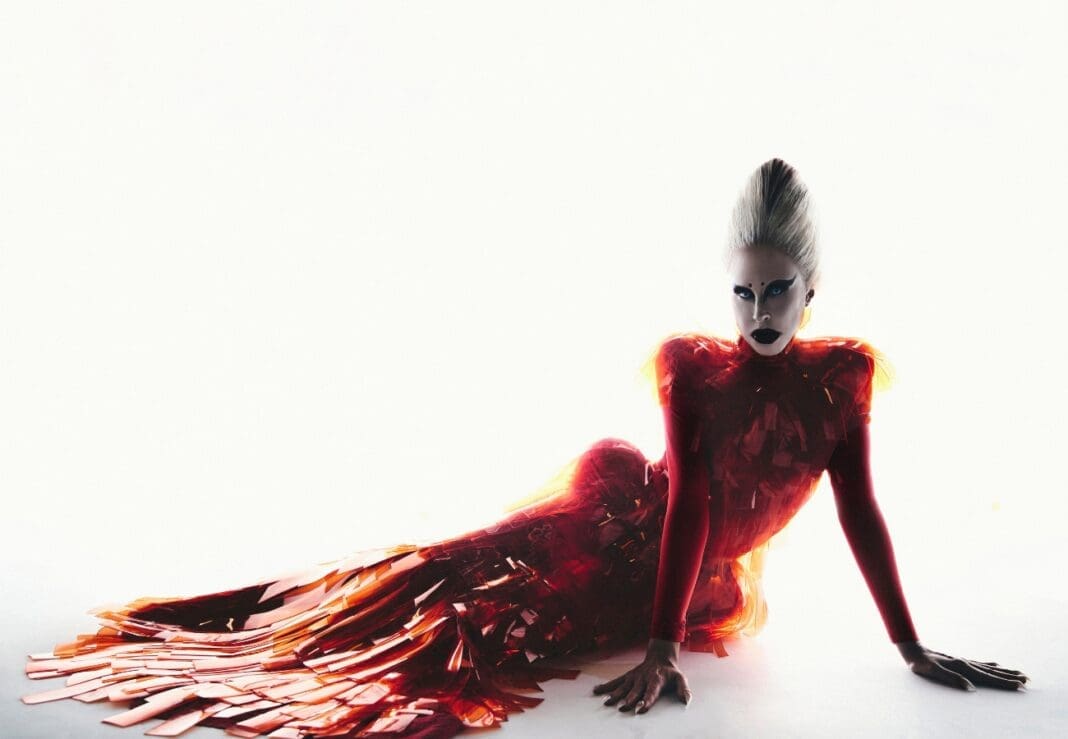
Long before the phenomenon drag flooded the screens, she was already walking the streets of Barcelona with her forehead high and her mascara intact. Satanassa Not only is he a fundamental name in the history of Spanish transformism; It is the living testimony of a time of chiaroscuro where freedom was won with the blow of a heel in the face of intolerance. From the back covers of The Vanguard until his recent and acclaimed passage through Drag Race Spain, Satanassa opens the doors of his memory to us to remember four decades of art, struggle and unbreakable resilience.
For some it is Sergio; To the world, it is Satanassa. But for herself there is no distinction: the person and the character merge into an identity that even inhabits her dreams. After a 41-year career, the “mother” of the Barcelona scene reviews a life dedicated to entertainment, marked by the media success of the nineties and the harshness of a profession that, at times, even denied her a contract. In this interview, the artist tells us about her fears, her triumphs with Locomía and the importance of continuing to be, above all, a free voice in a world that is once again complex.
Rainbow Magazine: For the youngest readers of Rainbow who are discovering your art today: Who is Sergio Satanassa when he takes off his makeup and who is Satanassa when he gets on stage?

Satanassa or Sergio Satanassa—I don’t care what he calls me—because he is the same person, whether he is without makeup or if he is on stage. I know many colleagues who, when they get involved, adopt another role, another role or another attitude and, well, I don’t know… they are rather playing a role, right? In my case no. In my case I am exactly the same person. Obviously, when I get on stage, that femininity increases; also because of the suits, heels and hair, which make you adopt more feminine positions or attitudes. But, in essence, I am the same person, exactly the same. Of course, on stage I am dedicated to offering something very glamorous as well as fun; Well, it depends.
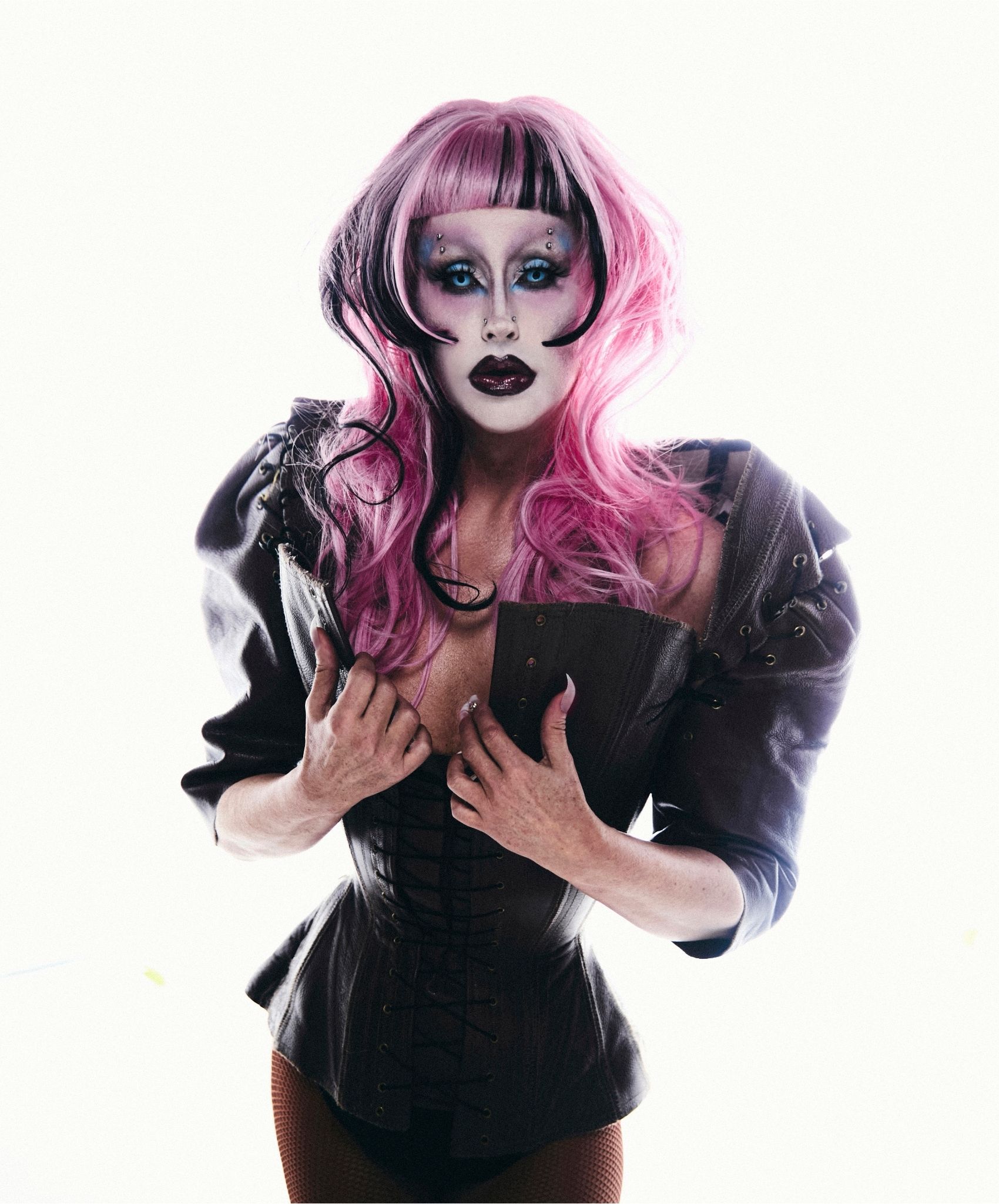
Makeup @barbaramattel
Hair @_new.genesis @monsterhouselondon
Styling @sergidevcia_couture for @producciones_nextcouture
Rainbow Magazine: You started more than 40 years ago, at a time when the concept of “drag queen” as we know it today barely existed in Spain. What was that personal process of discovering your feminine side and daring to bring it to light?
I lived it with fear; a little afraid but saying: “I don’t know, here I am.” I was afraid because I would go out on the street like that, take the subway… there were no transvestites or anything yet. They always thought I was a girl. When she was with strangers, she tried not to open her mouth to go unnoticed. I went to university like that. I don’t know if it was in first year or something like that, that a teacher—imagine, three hundred people there—made me go to the blackboard; I was wearing a blue shirt and, man, I… “Sergio Jiménez.” Well, oooh, the whole class: oooh, you know? These are the things that you say: “Well, here I am,” right?
And then, in the end, I looked like the university’s public relations: everyone knew me. I remember that I went to university in the afternoon and left at three or two or so, and I remember that the neighbors and everyone would look out the window and those from the stores would come out to see how I was dressed that day. In that sense, I had a hard time with my family, in case, of course, they said things to them.
As for how I experienced it when I was smaller, more of a girl, I was very… very handsome, excessively handsome and blonde. At the priests’ school, whenever it was the end of class and the mothers came to look for the other children, I would hear: “Oh, there is a girl in your class!”, or I don’t know what. “No, no, it’s not a girl.” It was always the same thing; I hid a little when they said: “There is a girl in your class!”, and they responded: “No, no, it’s a boy, it’s a boy.” I have gone to a school for priests—being from a family from Barcelona—but I have not suffered any type of bullying. They have never attacked me, hit me, or bullied me of any kind at school. I have been very lucky. When someone else looked at me or anything, my friends and those around me, my colleagues, always helped me and I felt very protected. That’s why I now say: “How can it be that this has degenerated so much?”, right?
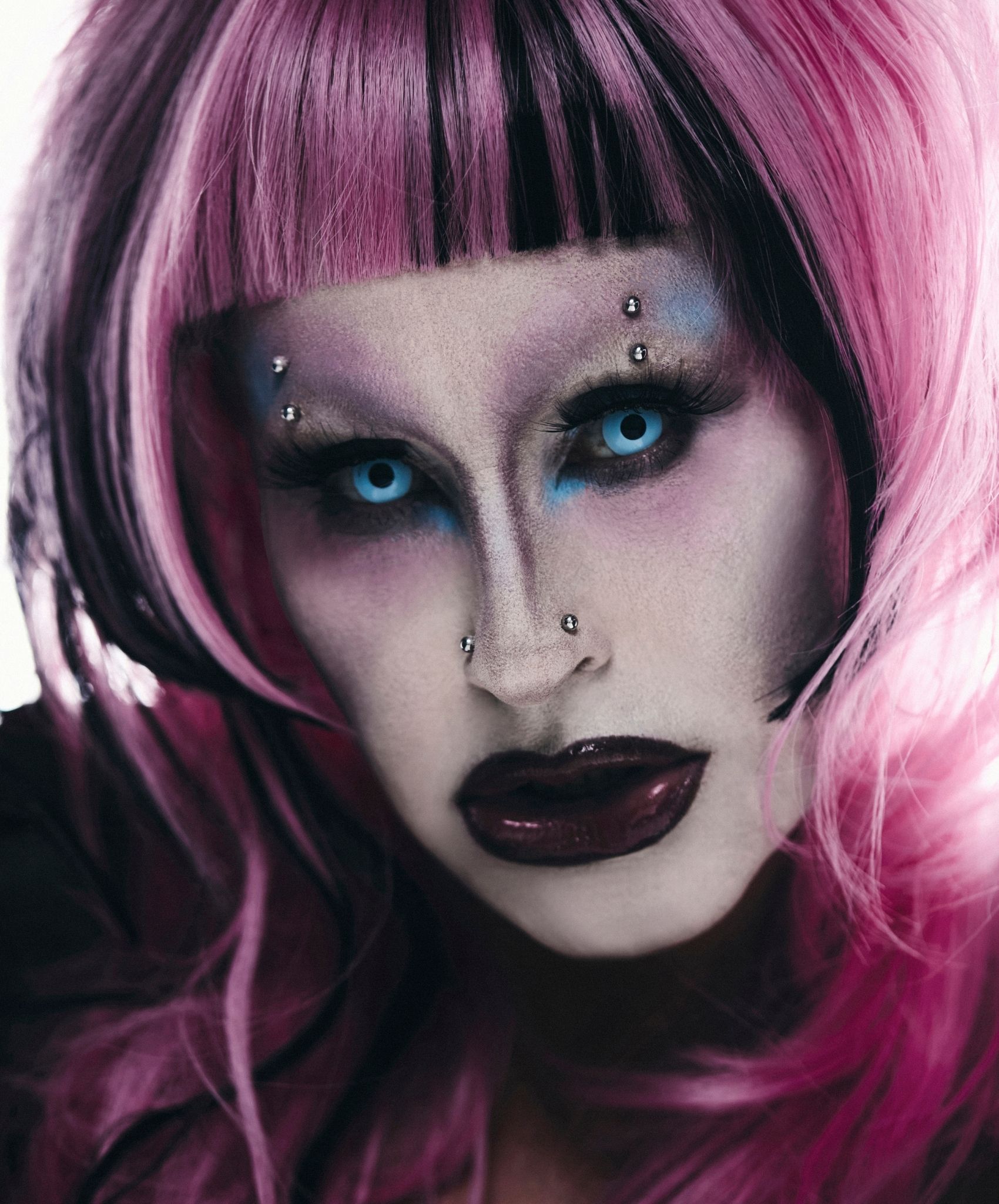
Makeup @barbaramattel
Hair @_new.genesis @monsterhouselondon
Styling @sergidevcia_couture for @producciones_nextcouture
With your parents?
I have also had parents who, well, at the time, when I said everything, I had a little time with my mother who was a little more tense, because she came from another type of more formal, more religious, more traditional education; But I have never been hit or punished in my house, ever. My father has never given me a cake, nor has my brother. So, in that sense — you can’t choose this — it is a great piece of luck for which I thank life: I have never been hit
How did you become drag queen?
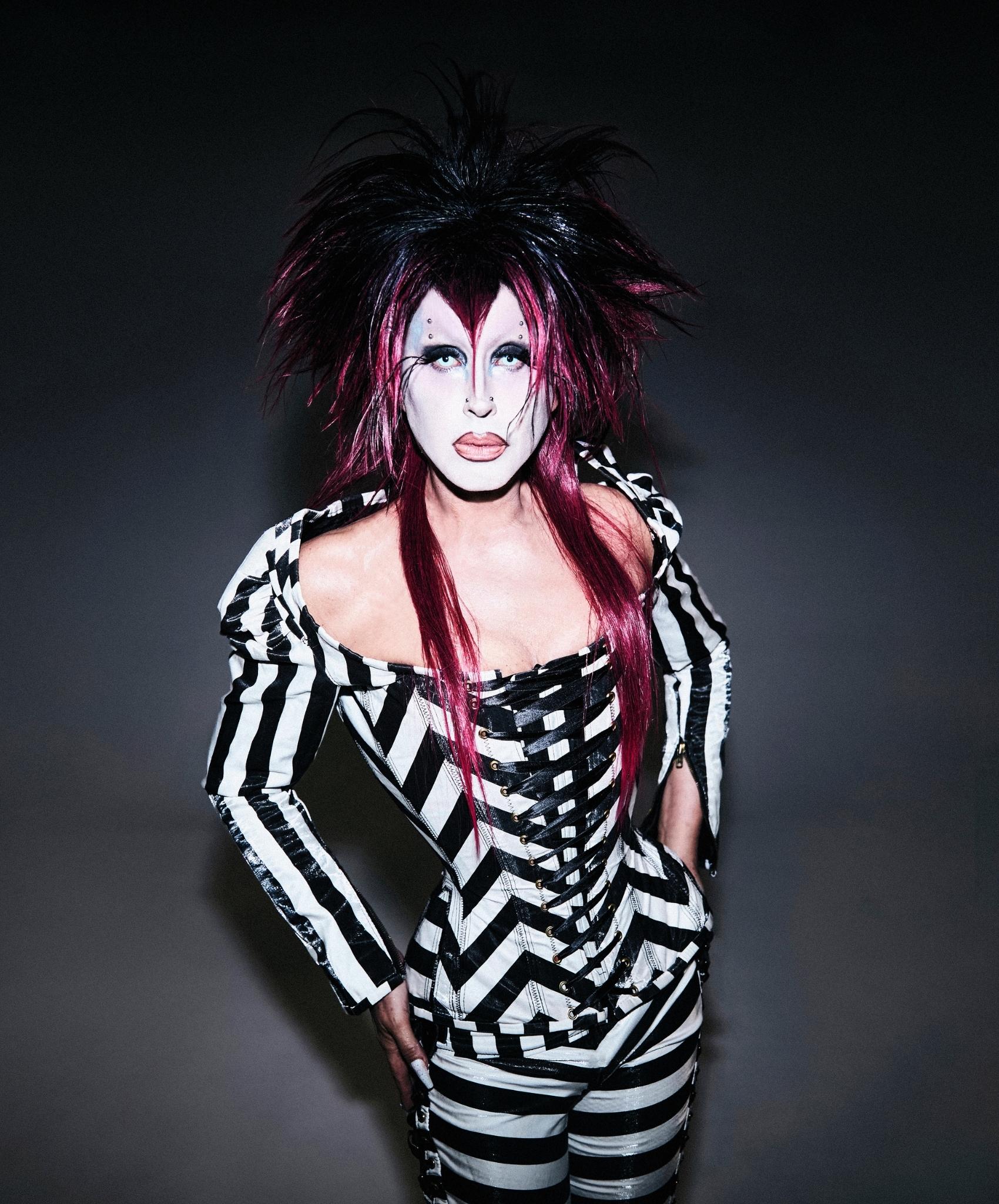
The process to become drag queen It has been very natural. In other words, the word did not even exist drag queen. I didn’t say: “Look, in 2026 I want to be drag queen or continue to be drag queen“Mine was done in a very natural way: I began to paint the line under my eyes, put on mascara, add long hair, increasingly complicated hairstyles, black lips and I started with the wardrobe. I gradually transformed into drag in a very, very natural way. Bringing it to light was saying: “Look, I don’t do anything bad to anyone. So, why should I hide what I am? Whoever doesn’t like it, well, look, that’s their problem.”
I did it in a very natural way and exposed myself there. That’s also why I spent so many years working alone in the Barcelona scene, because the transformers who were doing shows specific in closed premises, behind closed doors, where you had to ring a bell to enter and they looked at you through a peephole. They did maybe a show of, I don’t know, Rocío Jurado or La Pantoja, and when they finished they changed, you know? In my case, I went out like that and went everywhere like that; It was like that on a day-to-day basis. I would get up and the first thing I would do was have breakfast, get completely dressed up with makeup, hair and clothes, and that’s how the whole day would go. I went to university and everywhere wearing makeup and, when I started working at night, I was already hard on, you know? I became more powerful at night, but I was already made up and dressed.
Makeup @barbaramattel
Hair @_new.genesis @monsterhouselondon
Styling @sergidevcia_couture for @producciones_nextcouture
When I arrived in Ibiza, in 84 or 85, I was always wearing makeup everywhere. There I met Locomía and it was an instant crush on the boss, with Xavier Font. I started working with Locomía and stayed for three years. I said, “Oh, there are more people like me, please! Hallelujah!” On an artistic level, I have been training myself a little as I went along. That they asked me to dance, because I spent years doing dance classes; When they asked me to sing, I said: “Come on, I’ll start singing.” The same with theater: they asked me for more complex roles and I began to study my years of theater. I have always been training a little as I went along. And how I really feel when I’m most me is when I’m mounted. It’s the exact person I am.
Rainbow Magazine: Your stage name is a tribute to the legendary locale Satanassa on Carrer d’Aribau in Barcelona. What did that space mean to you and to the LGTBIQ+ community at that time?
Well yes, my name is Satanassa after the legendary bar in Barcelona called Satanassa Antro Bar. The name was given to me by the creator of that madness, Rafa Satanassa (Rafael de los Reyes Corripio), who remains one of my best friends today. For me it meant something very important. I was lucky to have experienced it and what it meant at that time, where there were only two or three friendly venues. The Satanassa, suddenly, located in the center, opened the doors to everyone. It was an LGTBIQ+ venue, but open to everyone. People came there and it was like they lost their inhibitions about everything. The same thing you found were lawyers, ladies with fur coats, sinisters or heavies. People came and said: “I forget my social condition, my status, what I am and I come to have fun.” Having fun with respect was living proof that we could share a space with people with different thoughts and where there was good vibes.
As a school of life, it taught me a lot. I learned that that is what I wanted to have and what I have in my life: all kinds of people, friendships and different social statuses, ages and professions. For the people on the bus at that time it was like: “I finally walk through the door and take off my coat, I go with my look or whatever I want and I’m free.” When I meet people who came to Satanassa, over time they have appreciated how good that was, what a great moment we lived in; it opened doors and many paths.
Satanassa they baptized me and I stayed Sata or Sergio Satanassa.
Rainbow Magazine: You have experienced first-hand how society went from marginalizing transvestism to celebrating it. What would you say was the hardest moment of those first years of surviving at night? underground, and which is the most rewarding?
I have lived in a time when society was opening up. In my time, most people were freaked out; We came from going through a dictatorship, from the uncovering and all these things, and people wanted freedom, fun and new things. In general, people were beginning to open up quite a bit. The first trans woman I saw on television was Amanda Lear; then Bibiana Fernández.
On the other hand, the hardest moments were the fear on Sundays, when the groups of skins neo-Nazis to “hunt” gays. I have had two run-ins with them. One was on Paseo de Gracia; I was with two other friends, a couple and another lesbian girl, and suddenly fifteen or twenty showed up skins with spiked baseball bats and they started hitting. We ran away; A friend of mine ran all the way down Paseo de Gracia until we could get into a taxi. One of my friends almost lost an eye because the bat hit him in the face and he missed it by millimeters. All of these things are quite traumatic: being attacked for loving. I thought I was alone, that I was like a monster. When I was a teenager, I thought I was a freak of nature, a mistake. Until I realized that no, that I wasn’t doing anything wrong and that because I loved other people I didn’t have to hide, right?
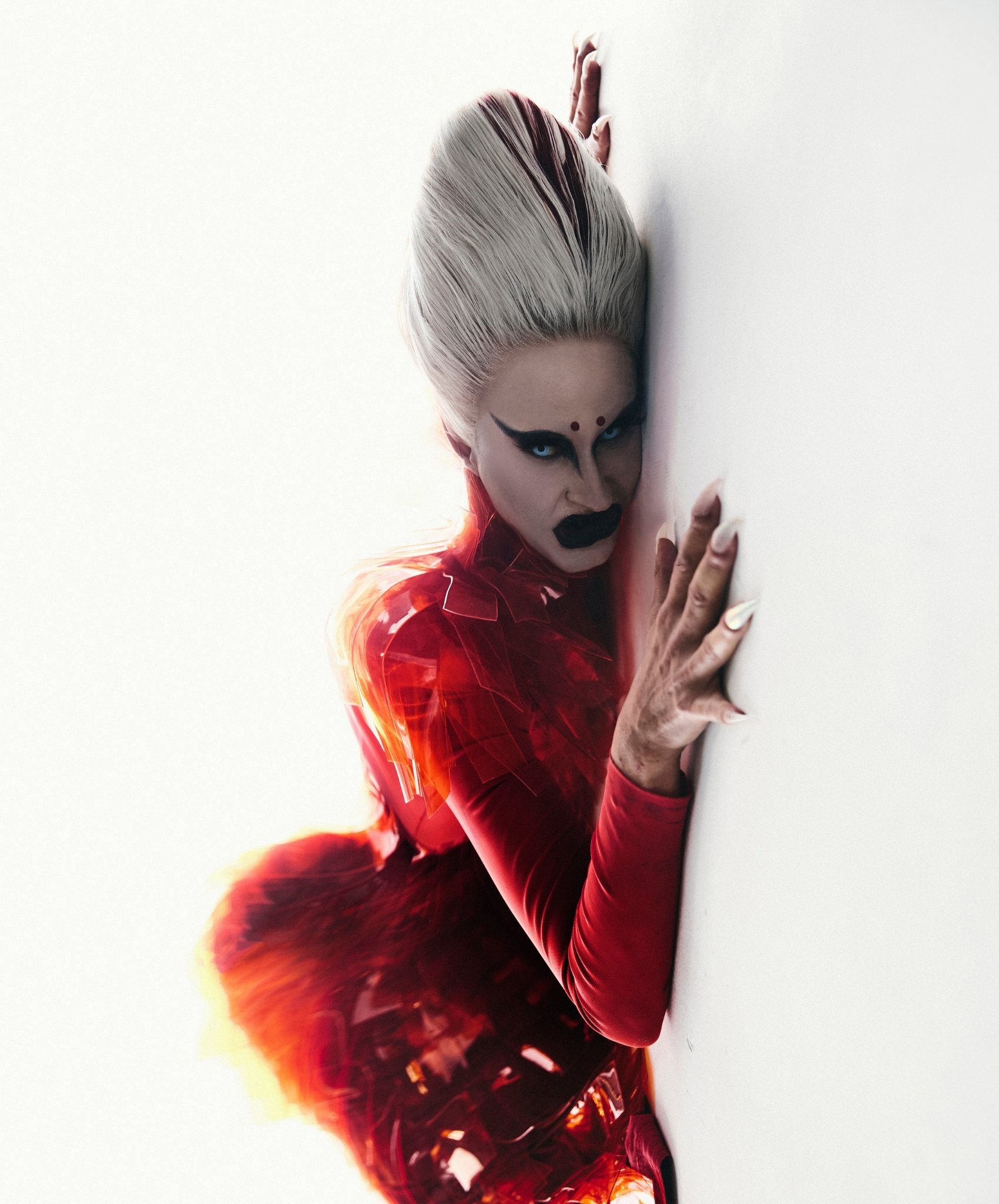
Makeup @barbaramattel
Hair @_new.genesis @monsterhouselondon
Styling @sergidevcia_couture for @producciones_nextcouture
I was the first in many things: in opening the first show restaurant, in being the first drag – although the term did not exist – doing public relations on well-known sites and other crappier ones. Those are the most terrible moments, just as I am feeling them now, because when I see the world panorama and what is happening to us, with the supremacy of these white heterosexual men who dominate the world, I live a moment that is just as painful and hard for me. I ask myself: “How can it be that, after forty years of protesting in the streets, we continue like this?” By the fact of existing, I have had to be a demanding and activist person; I have no choice.
Another time it was in a lesbian pub called Iris, where they rang the doorbell. I was there doing public relations to invite people to Paolo Boner or Satanassa, and they rang the bell. The manager looked through the peephole, only saw one boy, opened the door and a few people got in and shouted insults at everyone. Because of things in life, one of the attackers knew one of the Satanassa goalkeepers and blurted out: “Don’t touch this one.” And they kept giving. I stayed there, pressed against the wall with all the flyers and propaganda in hand, looking at the panorama.
The most rewarding moment is when I watch television programs and openness to the world drag, that we are considered artists and that we can do many things. I have many gratifying moments, I would go on for a long time. For example, opening Amaral’s concert tour, dancing with Gloria Gaynor, meeting Boy George, doing a musical, movies or important fashion shows with how short I am. At this point, when some cool new thing comes out, all I can say is “thank you”; It’s like another gift.
I was also lucky enough to be the first drag queen interviewed on television by Nieves Herrero on Antena 3; that gave me a boom very big and fame. At that time, The Vanguard It took me out on the entire back cover, when there was nothing digital. I remember going on the subway and seeing everyone with their newspaper and I would go out there, in the back. That made me very excited. I have also gone through periods of not having money for food, bills, let alone a mortgage. I’ve been through everything, and that makes me value everything a little more.
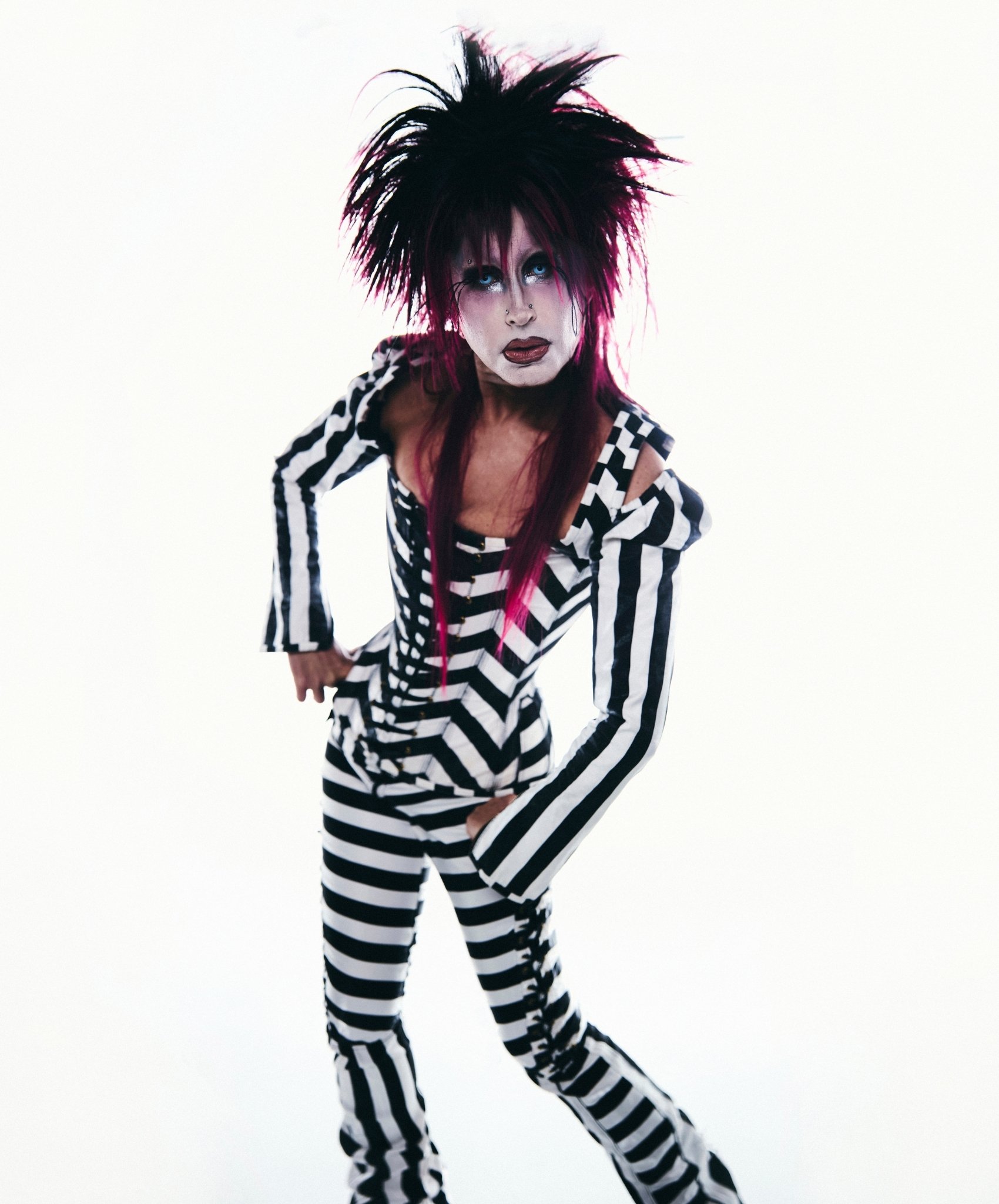
Makeup @barbaramattel
Hair @_new.genesis @monsterhouselondon
Styling @sergidevcia_couture for @producciones_nextcouture
Rainbow Magazine: Today we have formats mainstream international. Do you think that current drag has lost some of that initial transgressive essence, or do you see it as a natural and positive evolution?
He drag current, in some companions, the initial transgression has been lost. Because some of them are only interested in getting into Drag Race or, simply… I have met artists, singers or dancers who, without ever having thought of being drags, they have started to be that way overnight just by having more gigs. There are people who maintain the initial transgression and people who do not. There are all kinds of people, just as there are all kinds of drags. It has also followed a natural evolution.
In my time I had no references; I was inspired by Hollywood artists from the 40s and 50s and movies. The drags Now they have everything more at hand: references, tutorials for makeup or hair… On the one hand it’s very good, but on the other it takes away from saying: “Hey, I make myself with my style and I’m not imitating things I see out there.” It’s one thing to inspire yourself and another for nothing to come out of you. At Satanassa, when I had no money, I made models with pieces of fabric and four safety pins; Not a seam was out of place and I put them together on the fly. Things came out of my head or my madness. Now I see him a little more “off” in that sense. A drag —although we all fail in something—she has to know how to apply makeup, comb her hair, make her own clothes, and assemble her clothes. shows. It has to be complete. If you sit down and a makeup artist comes, a hairdresser with incredible wigs and a designer with costumes made for you and you do nothing but show it off, for me the essence of the drag.
Rainbow Magazine: Your recent appearance in the fourth season of Drag Race Spain for the emotional episode of makeover of legends it was a beautiful moment. What did you feel when you entered the workshop and saw the queens paying tribute to your generation?
My passage through Drag Race It has been a very immense joy. It was a very exciting program where they took 100% care of us, respected us and treated us with a lot of love and admiration, both the team and Supremme, which is the best, and the young colleagues. Many follow us and have us as references; The most beautiful thing is to open paths and know where I come from and where I am going: passing the baton to the new generations and having them carry it very high. I am very grateful and happy.
@dragracees @sergiosatanassa and @Vampirashian – The beautiful Vampi… Goddesses! Legends! Stars! 💕 #DragRaceEs ♬ original sound – DragRaceEs
Entering the workshop gave me a lot of emotion. You can’t see everything on the screen because there are days of filming that have to be edited, but it was very nice. We burst out crying positively: the entire team, the jury, Supremme, us and the contestants. It was an epic moment. I will be totally grateful for this.
Rainbow Magazine: In 2024 you were one of the founders of the Drag Association, the first in our country. What prompted you to join forces and what are the work challenges you are fighting for today?
I had a bit of a rebound because they were going to do it, they contacted me and I accepted because I have gone through terrible working conditions. Nobody wanted to give you a contract; Even in restaurants the owner would say: “Where have you seen a drag queen with a contract?”, as if we didn’t deserve it. Conditions have improved a lot but there is still a lot more to do. We have a lot of expenses and a lot of wasted time fixing wigs, dresses, learning playbacks, choreographies or texts. It’s a long time that people don’t appreciate it until they do it. Many say: “I want to be drag“, but when they see the work, the sacrifice and that you are not going to become a millionaire (on the contrary, because the artistic world is very unstable), they realize. We have to fight to be recognized and valued.
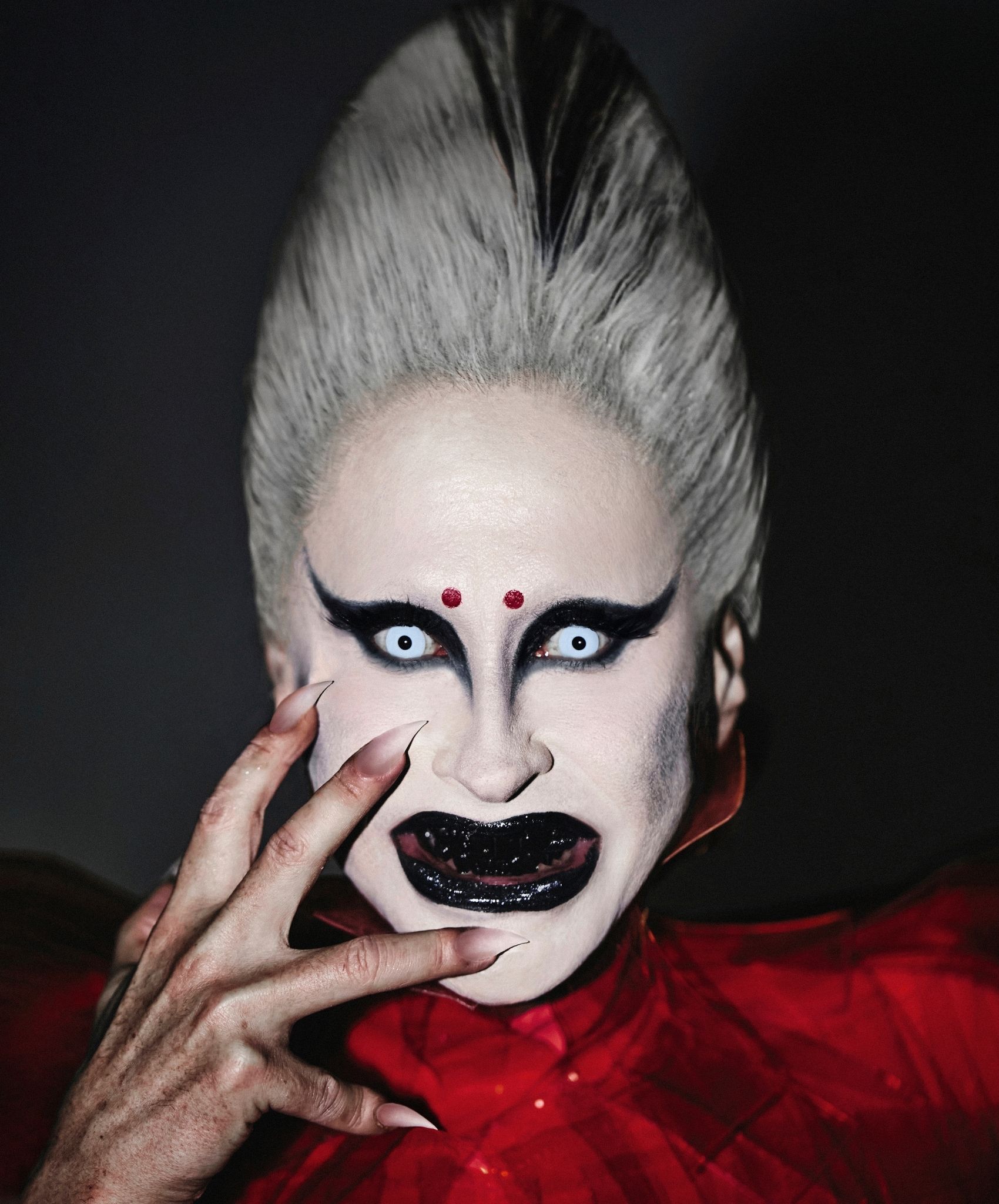
Makeup @barbaramattel
Hair @_new.genesis @monsterhouselondon
Styling @sergidevcia_couture for @producciones_nextcouture
Rainbow Magazine: With such an active schedule, where can our readers go to see you perform next and what projects are you most excited about right now?
I am with the Believe Group and very happy. In places like Elvira or Fever I am at the door of image and relationships. I also have performances at the Believe, La Federica, Candy Darling or Ocaña nightclubs; depends. It is normally seen on social networks, in addition to private events or birthdays.
I am excited to do film or theater projects, as I did with Transits o Countercurrents, a musical in Madrid. I look for decent roles, because in the past the only roles I was offered were as a whore. I’ve played a whore many times—I’m still a bit of a whore, just kidding—but they were always roles like that until mother or sister characters arrived. The drag queens We are also mothers, sisters, daughters, grandmothers, friends and everything that is needed. We don’t just have to dedicate ourselves to entertainment or prostitution. You miss the projects that tickle your fancy and make you work hard. I love my job very much; if you don’t love him drag, turn off and let’s go. Either you love it or you’re going to last a short time.
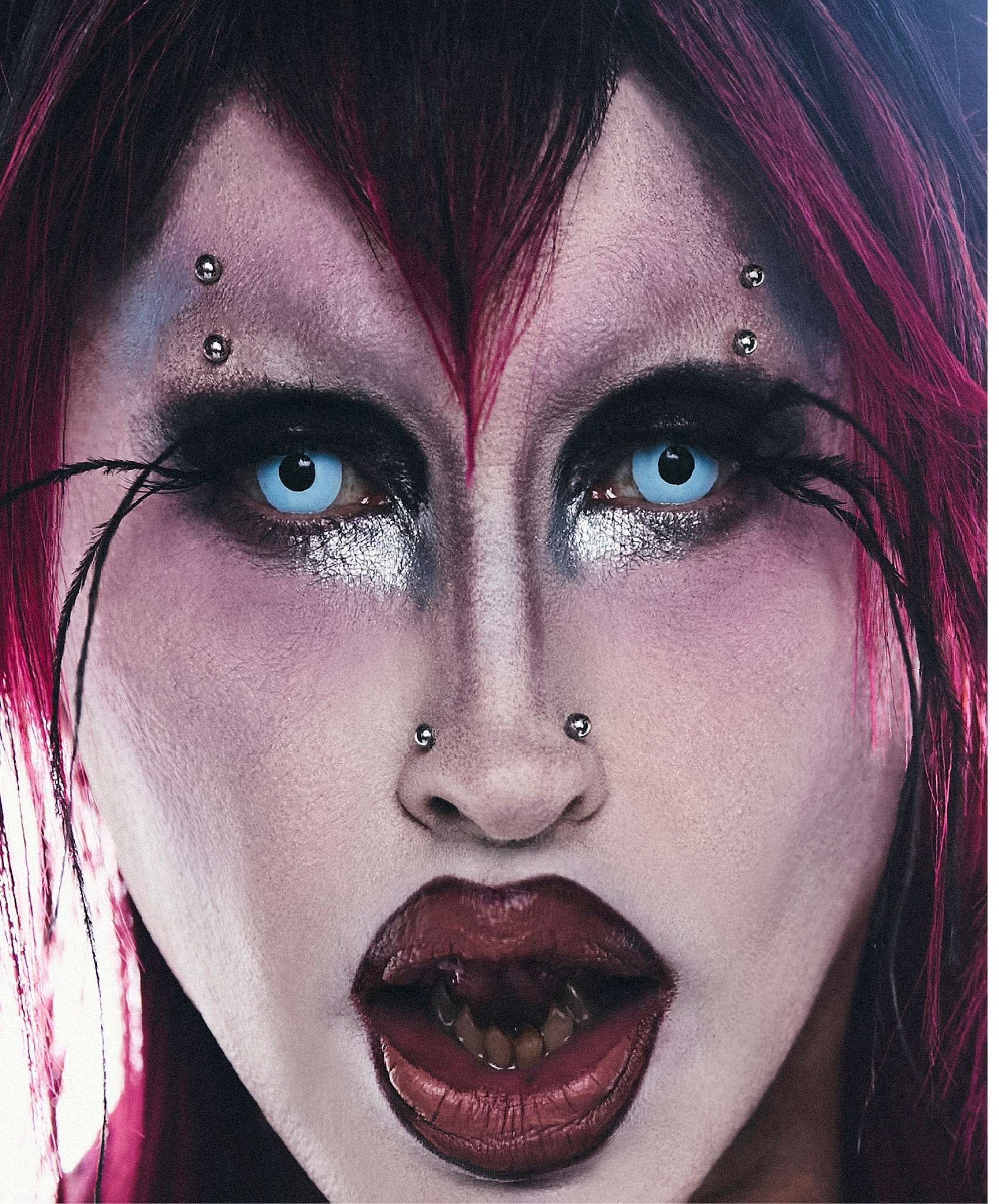
Makeup @barbaramattel
Hair @_new.genesis @monsterhouselondon
Styling @sergidevcia_couture for @producciones_nextcouture
Rainbow Magazine: Looking back at your entire immense career, what is the achievement you are most deeply proud of?
The achievement I am most proud of is holding on after forty or forty-one years. Keep working, be offered little things and be able to go to castings It is for me the best gift: dedicating myself to what I like and makes me happy, just like that.