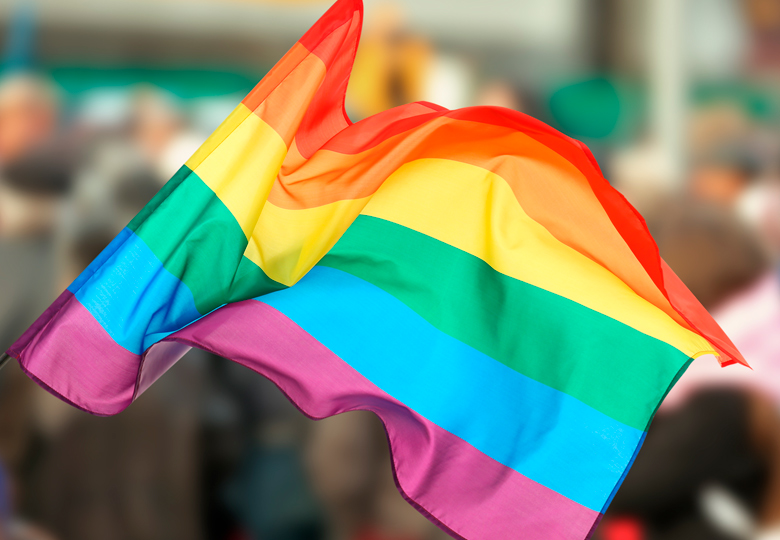



Talk about Spain and the LGTBIQ+ rights in 2025 involves analyzing a trajectory of legislative advances, social transformations and pending challenges. In recent decades, the country has experienced significant changes in terms of equality, positioning itself as an international benchmark. However, there are still challenges to be faced.
From repression to the conquest of rights
During the Franco regime, sexual diversity was persecuted and penalized. Laws punished homosexuality, and many people were imprisoned for their sexual orientation or gender identity. With the arrival of democracy in 1978, the panorama began to change. The decriminalization of homosexuality in 1979 marked a first step, although full equality was still far away. In 2005, Spain became the third country in the world to legalize equal marriage, a relevant milestone in LGTBIQ+ rights legislation.
A reference model in LGTBIQ+ rights
After the approval of equal marriage, Spain continued to advance in the protection of rights. In 2023, the “Trans and LGTBIQ+ Rights Law” allowed gender self-determination without medical or psychological requirements, which marked a significant change in the legal recognition of gender identity. These advances have consolidated Spain as one of the countries with the most inclusive legislation in this area.
Challenges and resistance
Despite progress, obstacles remain. In recent years, there has been an increase in hate speech and attacks against LGTBIQ+ people, which shows the need to continue strengthening anti-discrimination measures. At the political level, some sectors have proposed revisions to current regulations, generating debates about the future of certain rights.
The reality of 2025: progress and pending matters
Currently, Spain continues to stand out in terms of LGTBIQ+ rights, but faces challenges in the effective implementation of its laws. The fight against hate crimes, the guarantee of equality in access to healthcare and the protection of LGTBIQ+ minors in the educational environment are areas that require attention. Although protocols and legislation exist, their application in practice remains uneven.
Looking to the future
2025 represents a key moment to evaluate progress and challenges regarding LGTBIQ+ rights. Legislation has progressed, but its consolidation depends on its effective application and social commitment. The question now is: How to ensure that these rights are sustainable in the long term?