

- The Valencian climber and filmmaker Jorge Saffie return from Mauritania after filming a documentary that challenges laws against homosexuality.
- The expedition used the ascent of the iconic Ben Amera as a metaphor for the resistance of the LGTBIQ+ community in hostile environments.
- The project connects the harsh African reality with the rise in hate speech in Spain, warning about possible setbacks in freedoms.
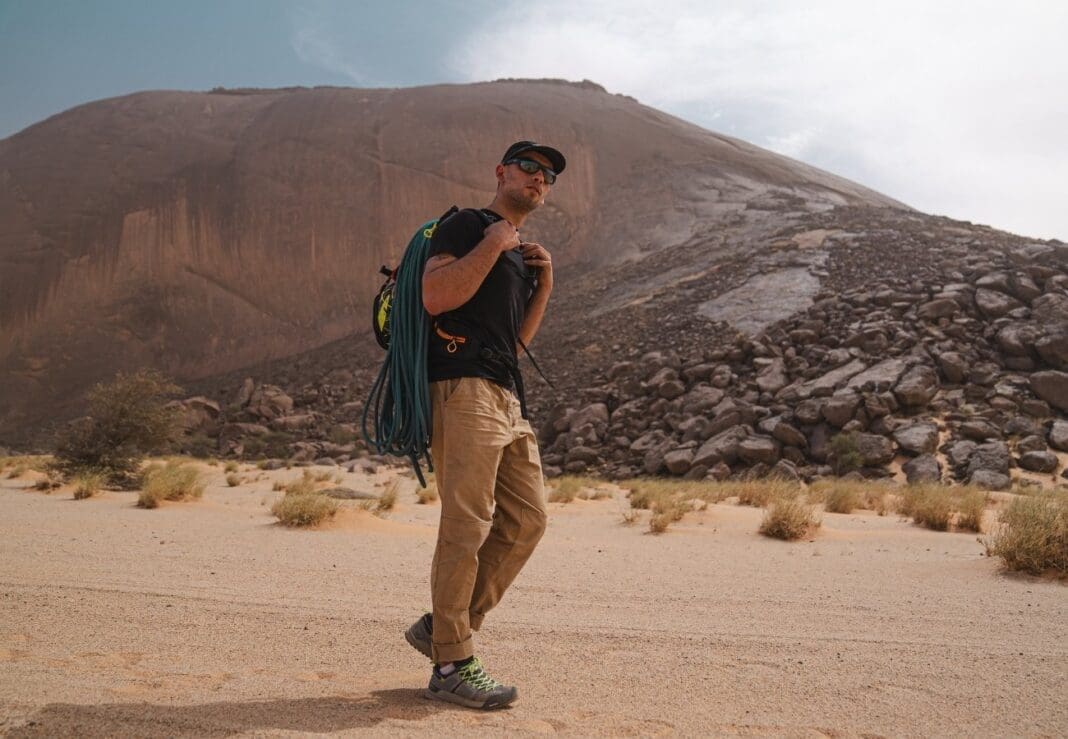
There are summits that are not measured only in meters, but in dignity. A Spanish expedition led by the professional climber Jaume Peiró (25) and the director Jorge Saffie (44) has just returned from Mauritania after completing a filming that promises to shake consciences. In the heart of the Sahara Desert, the team has used elite climbing as a common thread to talk about visibility, identity and the fight for human rights in a country where homosexuality is persecuted by law.
Ben Amera: A rock against isolation
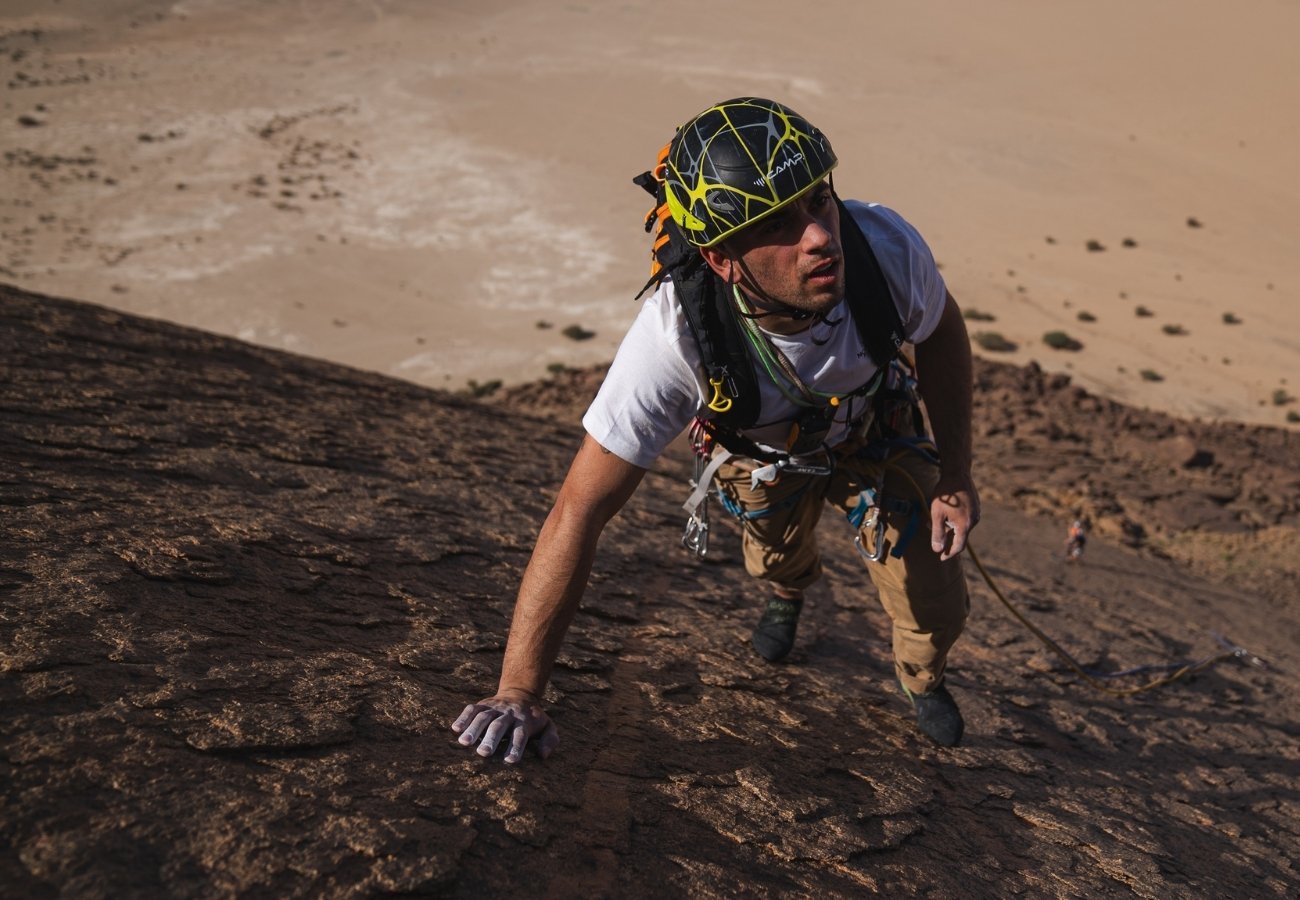
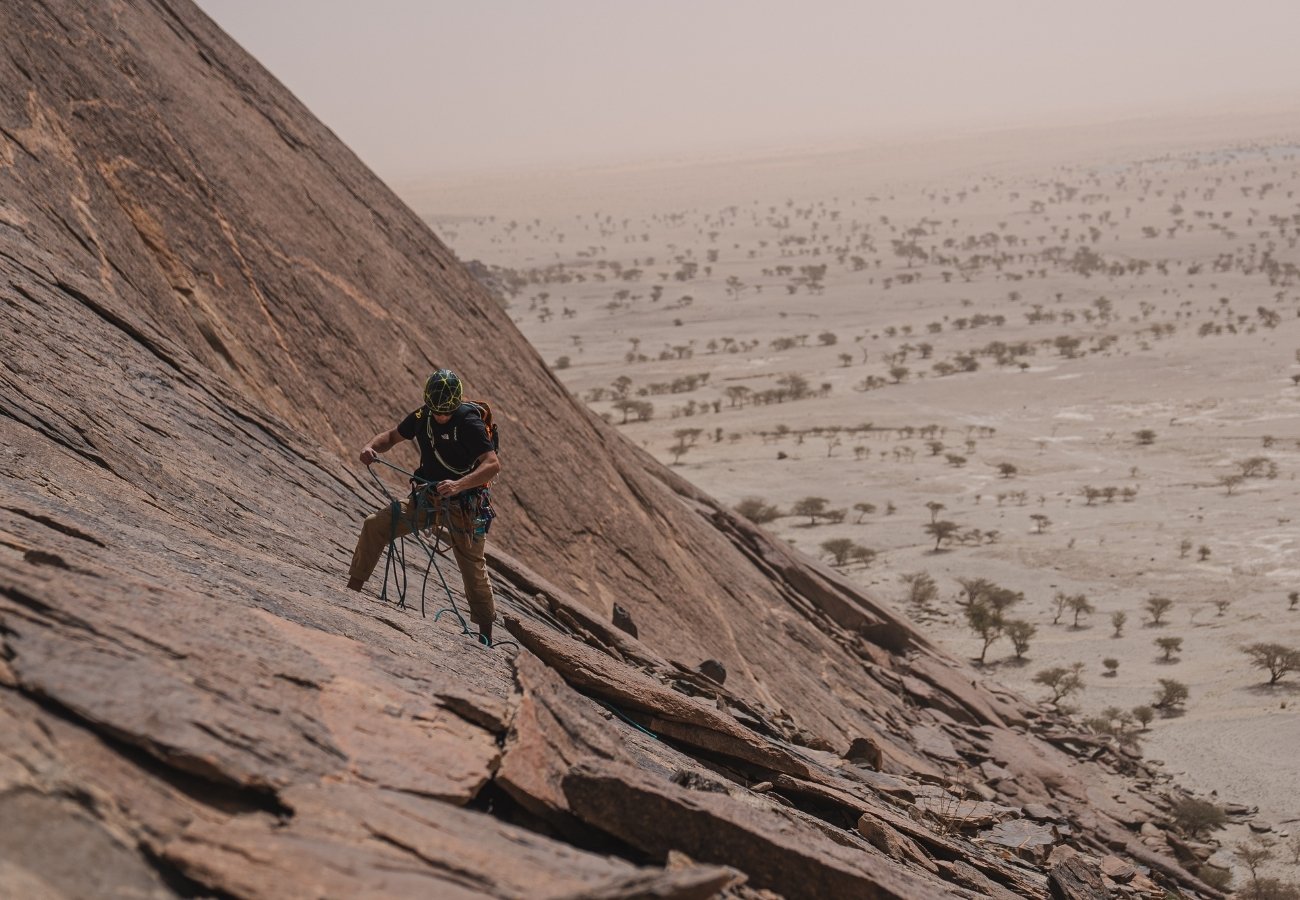
The heart of the documentary is the ascent of Ben Amera, the second largest rock monolith on the planet. This stone mass, isolated in the middle of the immensity of the desert, functions as a perfect visual metaphor of what it means to be LGTBIQ+ in contexts of extreme vulnerability: a path of risk, loneliness and a constant struggle to conquer spaces of freedom.
For Peiró, this trip has also been a personal challenge. In 2018 it became one of the first visible references in the world of high-competition climbing, a traditionally closed and conservative environment. Since then, the Valencian has dedicated his career to demonstrating that sport can and should be an engine of inclusion.

Between sand storms and Spanish reality
The filming has not been without dangers. The team had to survive an intense sandstorm that kept them stranded for four days in the desert. This forced pause, far from being a setback, has been integrated into the film as a symbol of human fragility and the ability to adapt to adverse contexts, whether climatic or social.
But the documentary doesn’t just look outward. The project establishes a critical parallel with the situation in Spain. Despite being a world leader in rights, the expedition members warn about growing polarization and hate speech that threaten to curtail freedoms that we believed were protected. ““We travel to live, but we return to tell”, says the team, which sees cinema as an urgent awareness-raising tool.
This project, which crosses the border between sports cinema and social activism, will soon hit the screens to remind us that, as long as there are places where diversity is a risk, the climb towards total equality is not yet over.