

- Experts warn that the consequences of bullying, such as hypervigilance, seriously persist during adulthood.
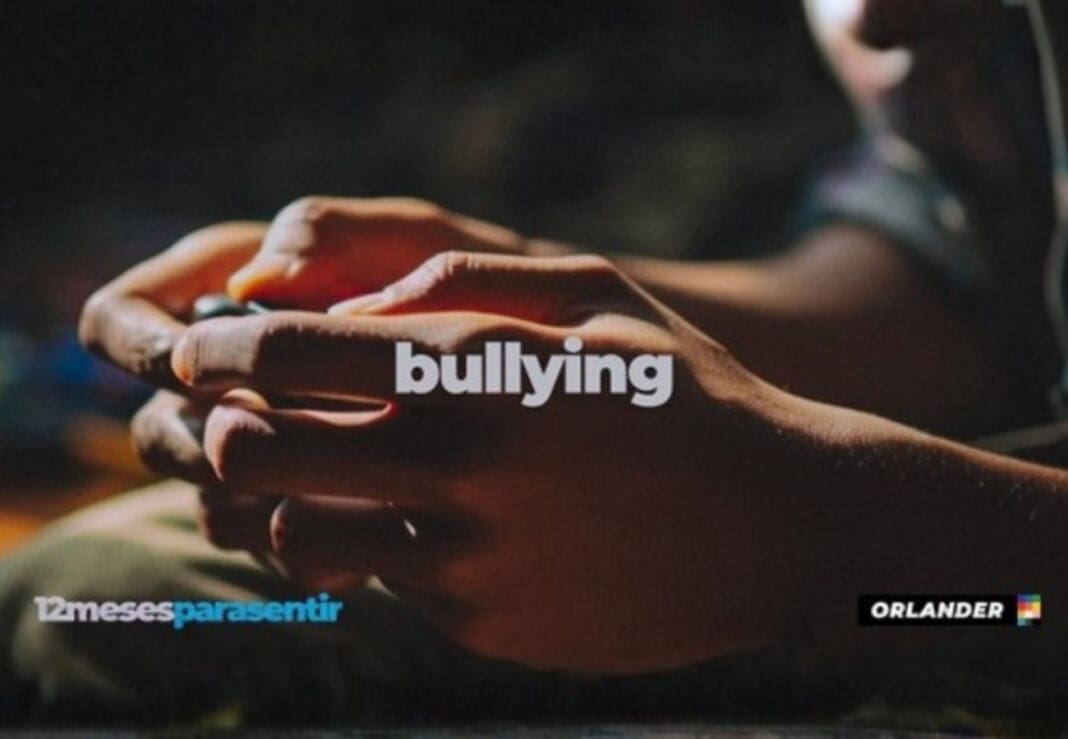
- The Orlander organization launches a 12-month campaign to make visible “invisible wounds” and family rejection.
- This April 8, the focus is on the need to transform silence into sustained social conversations.
On April 8, on the occasion of the Day against LGTBIQ+ bullying, experts and organizations have warned about how violence and exclusion suffered in educational environments impact adult mental health. Bullying is not a watertight problem, but rather a constant erosion that generates deep traumas.
The invisible consequences of bullying in adulthood
The impact of LGTBIQ+ bullying It does not disappear when you receive your school diploma. Far from being a temporary conflict, the victims carry consequences that condition their personal development years after leaving the classroom. Prolonged exposure to rejection and violence, whether physical or symbolic, alters the emotional structure of the individual.
Among the most common consequences detected by specialists are chronic anxiety, persistent low self-esteem and emotional hypervigilance. This last symptom forces the person to be in a constant state of alert, making it difficult to establish healthy and safe relationships in their work and emotional environment.
Orlander and the campaign to break the silence
To combat this reality, the Orlander organization, led by its founder Fabri Orlandi, has launched an unprecedented initiative. It is a Annual 12-month campaign on social networks designed to make visible the challenges of emotional well-being within the group.
“Bullying does not end when school ends. Mental health does not break suddenly: it is built or eroded conversation by conversation”, says Fabri Orlandi.
Orlander’s strategy is not limited to a specific action. Each month a specific topic will be addressed, including ageism, loneliness and aesthetic pressure. The main objective is to name experiences that many people have suffered in silence, allowing the early trauma to be understood and accompanied.
Safe spaces for trauma transformation
Since its founding in 2018, Orlander has worked to create environments where healthy leisure is combined with training. The organization emphasizes that LGTBIQ+ bullying reinforces social structures of homophobia and transphobia that must be dismantled from the roots to protect future generations.
The current proposal seeks to make the wounds of the past the basis of a new collective care. Through in-person meetings and digital content, a deep social conversation about ties and community is encouraged, understanding that talking about what has been experienced is the first step toward recovering emotional integrity.