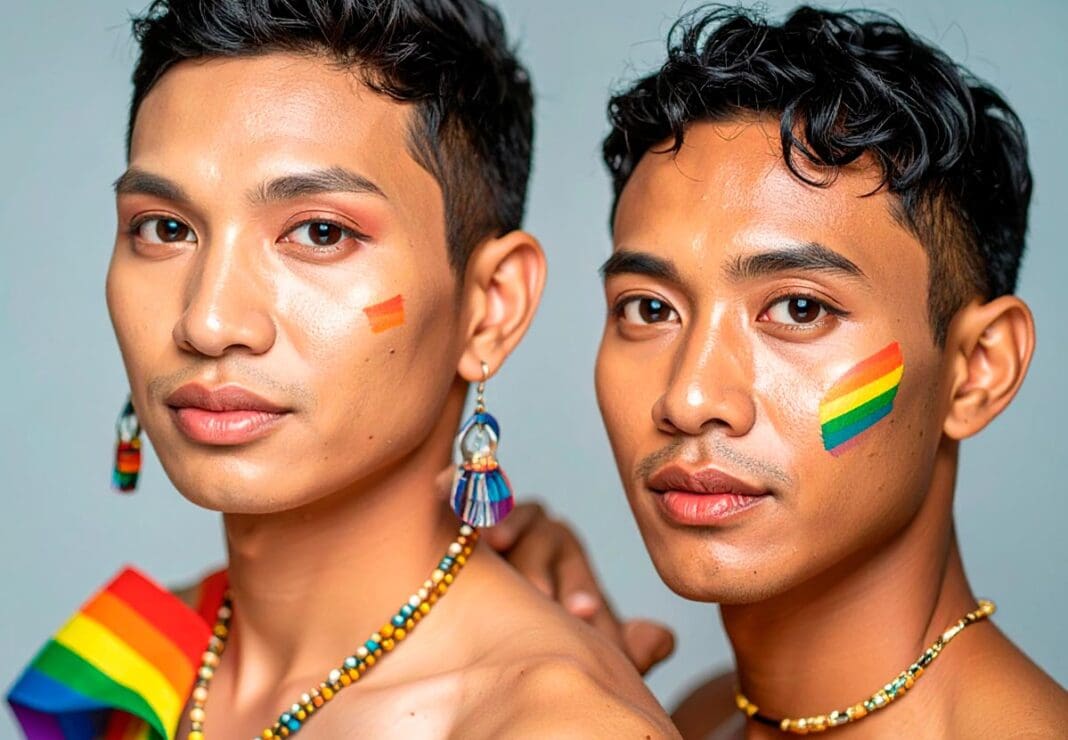

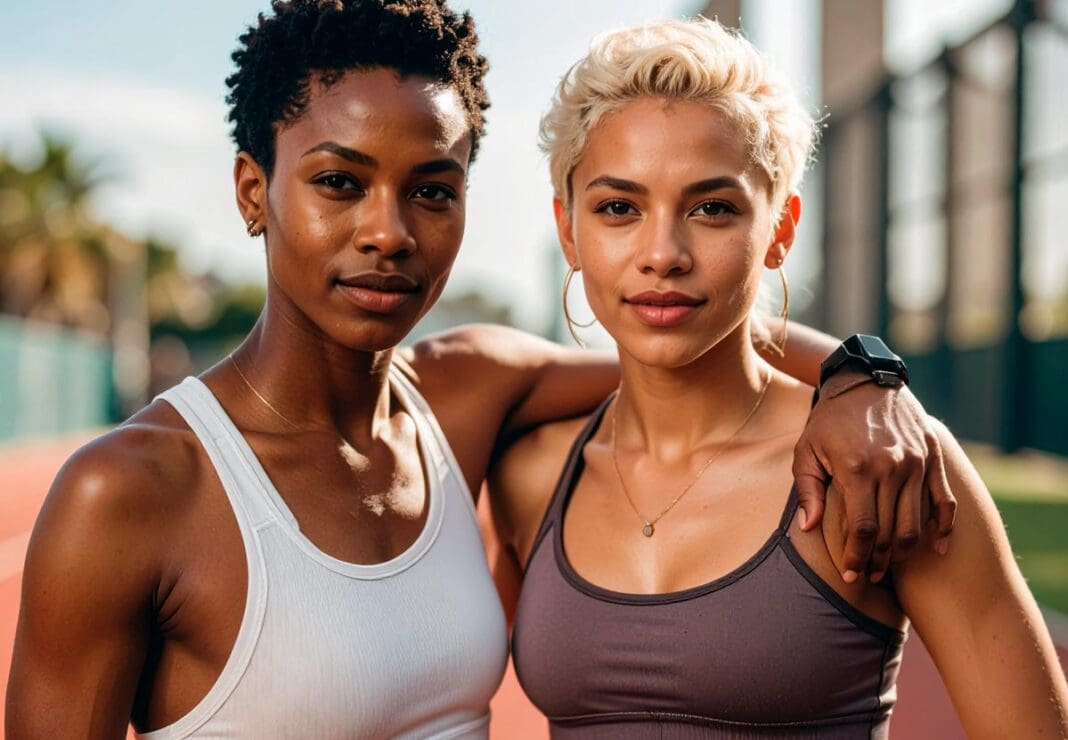
inclusion in sport has gained great relevance in recent years, as societies become more aware of the diversity of identities that exist. The sporting sphere, traditionally perceived as a binary realm, is being challenged by clubs, leagues and athletes willing to break with established norms.
The Reality of Binary Sport
For a long time, sport has been organized into categories based on a binary model that classifies athletes as men or women. This division is not only reductive, but it also excludes many people who do not identify within those parameters. The binary approach has perpetuated stereotypes and limited the participation of individuals who do not fit traditional gender norms.
Clubs Leading Change
Globally, several sports clubs are taking the initiative to promote a more inclusive environment. For example, FC Barcelona has implemented programs that encourage the participation of LGTBIQ+ people. These initiatives not only seek to attract more athletes, but also educate the public and end homophobia and transphobia in sport.
On the other hand, in Madrid, the ‘Las Fénix’ rugby club has become a symbol of inclusion, offering a safe space for people of all sexual orientations and genders. Its success has led other clubs to replicate its model, proving that it is possible to build a more diverse and equitable sport.
Inclusive Leagues on the Horizon
In addition to clubs, sports leagues are taking a more inclusive approach. In 2021, Spain’s Professional Football League launched a pilot program allowing trans athletes to participate in categories that correspond to their gender identity. This is a significant step towards normalizing inclusion in professional sport.
Likewise, initiatives such as the ‘Pride Cup’ in Australia have shown that leagues can be spaces for celebrating diversity. During this event, matches and activities are organized that promote inclusion, showing that sport can be a vehicle for acceptance.
Inspiring Athletes
The voice of athletes is crucial in this movement. Athletes like American swimmer Chris Mosier, who became the first trans athlete to compete on a U.S. men’s team, are challenging norms and opening doors for others. In Spain, footballer Antonio de la Torre has spoken openly about his gender identity, inspiring many young people to be authentic in their life and in sport.
These examples are essential to make visible the struggles and triumphs of LGTBIQ+ athletes. Representation in sport is not only important for the athletes themselves, but also for the communities that see themselves reflected in them.
The Importance of Education
Education is a fundamental pillar to advance inclusion in sport. Many organizations are developing awareness programs aimed at coaches, managers and athletes. These programs seek to eradicate prejudices and foster an environment of respect and acceptance.
A notable example is the ‘Sport for All’ program in the United Kingdom, which has been adopted by several federations. This program focuses on diversity and gender training, and has proven to be effective in creating safe spaces for all athletes.
Criticisms and Challenges to Inclusion
However, inclusion in sport is not without controversy. Some critics argue that allowing trans people to compete in categories that do not correspond to their sex assigned at birth could create competitive disadvantages. Additionally, there are concerns about the lack of clear regulations and the way in which these policies are implemented. Is inclusion enough if it is not accompanied by a solid regulatory framework? Are we ready to face the complexities that arise from this change? These are just some of the questions that must be considered as we move toward a more inclusive future.
Looking to the Future
The transformation of sport towards an inclusive model is an ongoing process. Although significant progress has been made, much remains to be done. The commitment of clubs, leagues and athletes is vital to continue breaking down the barriers that limit the participation of diverse identities.

Inclusion not only benefits athletes, but also enriches sports culture as a whole. The more diversity is celebrated, the more it will foster an environment where everyone, regardless of identity, can enjoy sport. In the end, sport should be a reflection of the society around it: diverse, vibrant and free.
Inclusive sport is gaining ground around the world, thanks to the bravery of athletes, clubs and organizations who are willing to challenge traditional norms. As we move forward, it is crucial that we continue to foster an environment that celebrates diversity and allows each person to be their authentic self, both on and off the field.