


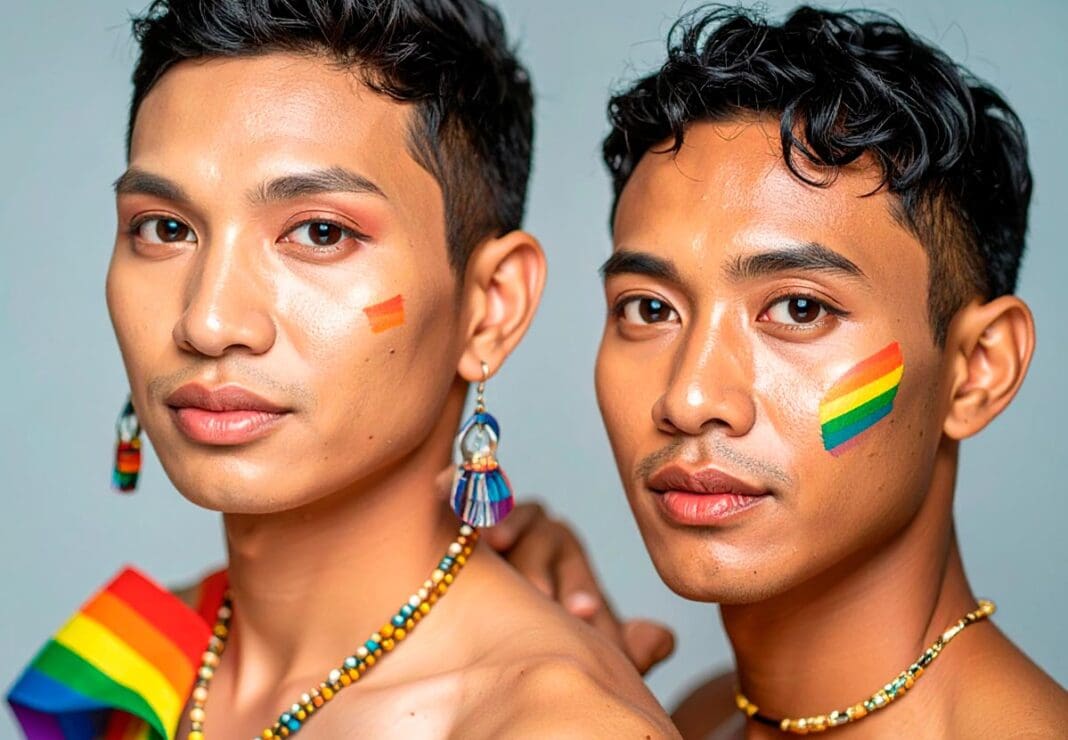
Science fiction has long been a space where authors can explore concepts of identity, gender, and society. In recent decades, queer narrative has begun to take center stage in this genre, offering alternative visions of a more inclusive future. Through interviews and analysis of contemporary authors, this article seeks to delve deeper into how queer science fiction is transforming the way we imagine tomorrow.
Science fiction as a social mirror
Since its inception, science fiction has functioned as a mirror of society, reflecting its fears, hopes and desires. However, it has often been dominated by heteronormative voices and traditional perspectives. The arrival of queer authors has begun to challenge these narratives, proposing new worlds where diversity is the norm and not the exception. What happens when humanity is freed from the constraints of the gender binary?
Authors who are making a difference
One of the most prominent names in queer science fiction is Nalo Hopkinson, whose work combines elements of Caribbean mythology with themes of identity and sexuality. Hopkinson has stated that her intention is to create spaces where queer experiences are the rule, not the exception.
In another sphere, Carmen Maria Machado has used her voice to explore horror and fantasy from a queer perspective. Her short story collection, “The Pain of Others,” addresses the complexities of identity and relationships through a lens that challenges traditional conventions.
On the other hand, Tade Thompson, in his novel “Rosewater”, presents us with a future where colonization and technology are intertwined with LGBTQ+ identity. His works are not only entertaining, but also invite reflection on intersectionality and diverse forms of existence.
The relevance of representation
Representation in science fiction is crucial. It provides a platform where historically marginalized voices can be heard. By including queer characters, authors not only enrich their narratives, but also offer readers an opportunity to see their own experiences reflected.
One question that arises is: can science fiction help change social perceptions of queer identities? The answer could lie in the way these stories foster empathy and understanding, allowing readers to explore lives and realities other than their own.
The challenges of gender
Despite progress, queer science fiction faces significant challenges. There is a risk that these stories will be pigeonholed or reduced to mere stereotypes. Some critics argue that queer narrative sometimes feels forced or contrived, which can undermine the message of inclusivity it seeks to convey.
Additionally, the publishing market often prioritizes stories that align with traditional expectations. This can lead to queer voices being ignored or relegated to the background. How can queer authors overcome these obstacles and ensure their stories are heard?
Looking to the future
Queer science fiction is not only a form of escapism, but a powerful tool for imagining alternative futures. Authors such as Rebecca Roanhorse and C.L. Polk continue to push the boundaries of the genre, challenging notions of what it means to be human in a diverse and complex world.
The question we must ask ourselves is: how can we support and amplify these voices? The answer may lie in promoting anthologies, participating in discussion forums and creating spaces where diversity is celebrated. By doing so, we not only fuel the development of the genre, but also foster a more inclusive society.
Queer science fiction is in a phase of growth and expansion. Through the voices of innovative authors and the exploration of relevant themes, futures are being created where all identities are valid and valued. By reading and supporting these works, we contribute to the construction of a more inclusive and representative literary world.