
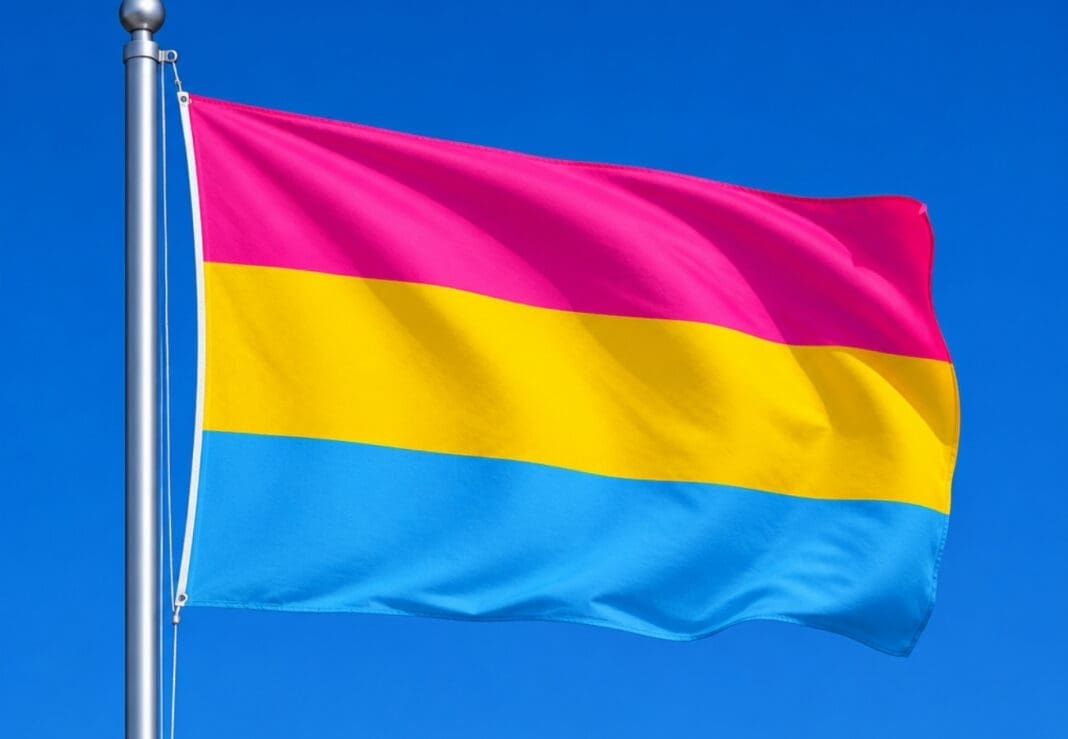
- On the occasion of May 24, the group remembers that pansexuality is attraction independent of the gender or identity of the other person.
- Activists and people from the group denounce the “erasure” and prejudices that they still suffer inside and outside the LGTBI+ community.
- Testimonies from ages 15 to 66 show that naming this reality is the key to coming out freely.
“To name is to open paths.” With this premise, the LGTBI+ State Federation has launched a manifesto for Pansexual Visibility Dayl, which is celebrated this Sunday, May 24. Although Spain leads the rankings of legal rights, pansexuality continues to be one of the most unknown and invisible realities, often confused or diluted under other terms.
Beyond gender: A question of soul
Pansexuality is defined as the ability to feel sexual attraction towards other people regardless of their gender or identity. For Noelia Salido, co-coordinator of the Federation’s Bisexual Policies Group, the urgency of this day lies in combating the constant questioning: “Like so many realities of the bi+ spectrum, pansexual people remain on the margins. We demand visibility in order to exist.”
Three generations, one identity
The strength of this year’s claim lies in the life stories that demonstrate that pansexuality is not a “young fad”, but a reality that crosses all ages:
- Teo Munay (Formentera): After suffering violence in his childhood, he discovered the term at the age of 15. “My soul discovered that love does not understand gender expressions. Pansexuality has freed my soul from the yokes of the closet,”, he confesses.
- Toni (Palma, 53 years old): First identified as heterosexual and then as bisexual, he found the exact term in pansexuality. “We are here and we want to be visible,” he claims in response to the “absurd jokes and pranks” that he still has to endure.
- Asmi (Bilbao, 66 years old): Intersex person who, after years of medical violence, took control of her body and her desire. For Asmi, pansexuality brings together all her feelings in relationships where attraction flows freely and with consent.
The challenge of 2026: Break the erasure
The Federation insists that pansexuality is a valid and autonomous orientation. The goal for 2026 is for institutions and civil society to recognize this identity to prevent those who feel it from growing up thinking that there is something “broken” in them. In the end, as this year’s motto says, it is a way of loving that simply puts the person ahead of any gender label.