

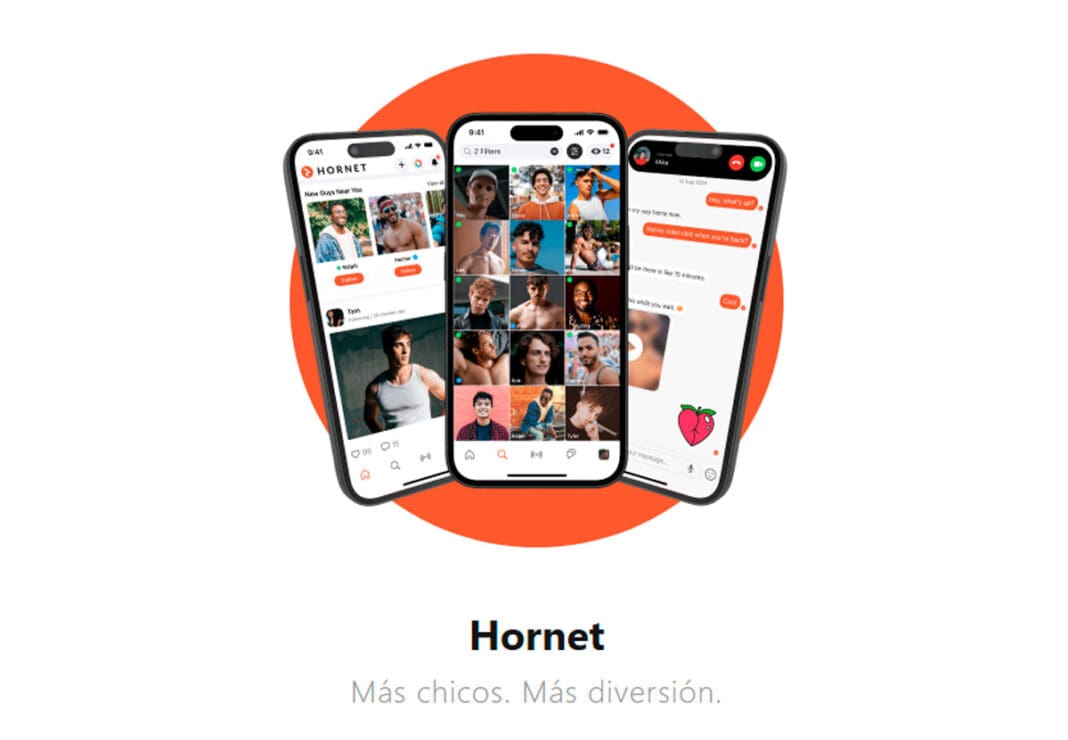
Tech giant Apple has made a controversial decision by removing the same-sex dating app, Hornet, from its online store within Russia. This action is not an isolated case, but the latest movement in an increasingly restrictive panorama for the LGTBIQ+ community in the Eurasian country.
The news, initially reported by the specialized portal Chicos Plus, highlights the pressure exerted by the Russian communications regulator, Roscomnadzor, which formally requested the deletion of the application. Hornet, which brings together nearly 25 million users globally, thus becomes a new target of regulations that seek to make sexual and gender diversity invisible. What does this mean for users who depend on these platforms? Can a global company maintain its commitment to human rights while operating in jurisdictions with discriminatory laws?
A History of Blockades and Digital Barriers
For Hornet users in Russia, the withdrawal of the app is not the first obstacle. In September 2023, the official website of the platform had already been blocked, coinciding with the intensification of measures against the so-called “homosexual propaganda”. Since that moment, connecting to the application had become an odyssey, forcing many to resort to VPN services, those essential digital tools that allow Internet users to bypass censorship and access bans.
Apple’s official justification is based on the need to comply with local legislation in order to continue offering its services. This is a recurring argument of multinationals that operate in markets with problematic legal frameworks.
The Repressive Escalation in Russia
Apple’s decision is framed in a Russian legislative context that has drastically shifted towards the persecution of non-traditional identities and relationships. The milestones of this involution are clear and worrying:
- November 2022: The Duma (Chamber of Deputies) approved a law that completely prohibited the promotion or display of diverse sexual orientation or gender identity.
- June 2023: Sex reassignment surgeries were banned, causing great alarm within the transgender community.
- November 2023: Russia’s Supreme Court went a step further by declaring the “international LGBT movement” an “extremist organization”, a label that criminalizes the community’s advocacy and mere public existence.
Since this last sentence, the authorities have increased their vigilance, going so far as to sanction bookstores and prohibit lists of works and authors simply for promoting relationships between people of the same sex.
It is essential that the reader ask themselves: when a country’s laws require the elimination of tools that encourage connection and support between people, is safety being guaranteed or loneliness and isolation being promoted? Where is the line drawn between commercial legality and corporate ethics in defending user rights?
In an increasingly interconnected world, the withdrawal of a platform with millions of users in a country where the LGTBIQ+ community already faces high risk raises uncomfortable questions about the true scope of social responsibility of global companies.