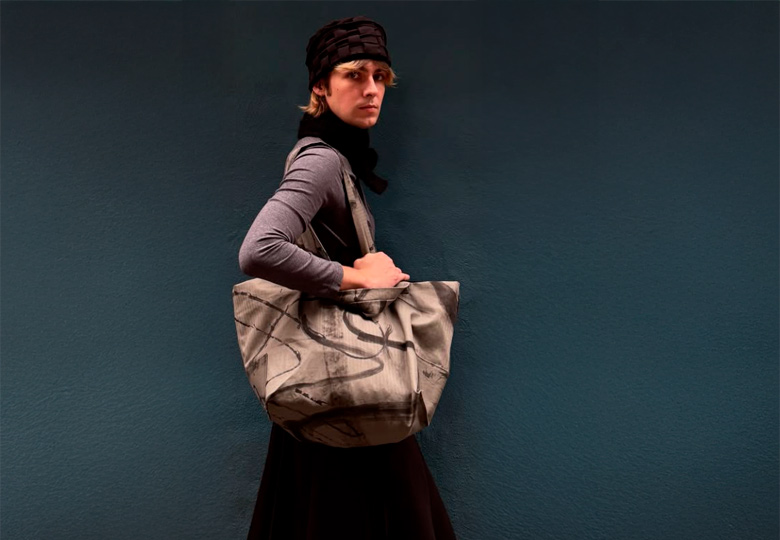
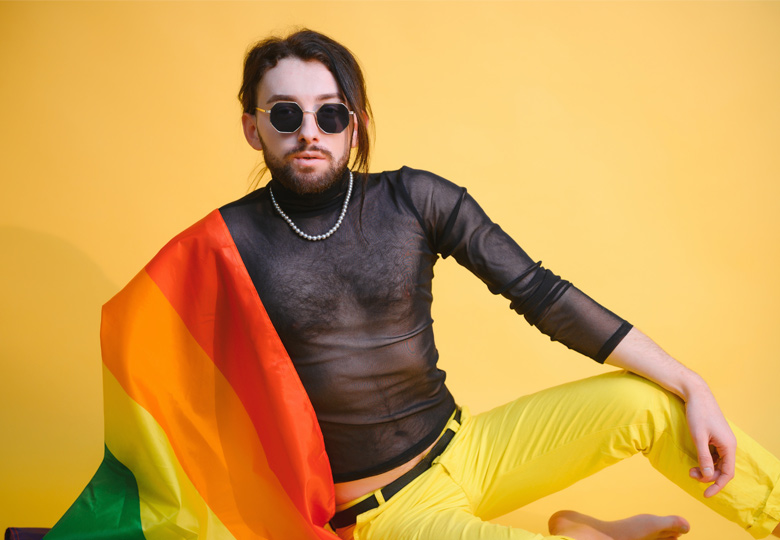
Fashion has always been a reflection of society. For decades, it has marked what is “masculine” and “feminine” with clear and loose boundaries. But something is changing. In recent years, the concept of genderless fashion has been gaining strength, challenging established norms and opening a space where clothes do not define who we are, but how we want to express ourselves.
The evolution of genderless fashion
It’s not that it didn’t exist before. Designers like Jean-Paul Gaultier and Vivienne Westwood were already playing with the idea of breaking the rules of clothing in the 80s and 90s. However, it was a concept reserved for catwalks or counterculture.
Today, the panorama is different. Traditional brands and new independent brands are betting on genderless collections. Garments designed for anyone, regardless of their identity. Pants, blouses, dresses… Anything goes, no matter what section of the store it is in.
Brands that are making a difference
Large luxury brands have begun to open up to this philosophy. Gucci, for example, has launched genderless collections where gender fluidity is the protagonist. Balenciaga and Prada have also experimented with clothing that challenges stereotypes. But it’s not just luxury brands that are in this revolution.


In the world of fast fashion, Zara launched “Ungendered”, a collection without gender labels. Other brands such as H&M or ASOS have followed this path with inclusive lines. Even smaller and emerging brands, such as Telfar or Official Rebrand, have made genderless fashion their banner, creating designs that do not fit into traditional categories.
Genderless fashion or marketing?
Here comes the million-dollar question. Is the fashion industry really committed to inclusivity or has it simply found a new market niche?
While it is true that many brands have taken real steps to normalize gender diversity in their designs and campaigns, there are also cases where it seems more like a commercial strategy than a true change in mentality.
Inclusion in fashion cannot be limited to an advertising campaign with androgynous models. It must be reflected in the design, in production and, above all, in accessibility. If a genderless garment costs twice as much as a “traditional” one, then it is not a revolution, it is marketing.
The impact on society
Label-free fashion not only influences the industry, but also the way society perceives gender expression. For many people, finding clothes they feel comfortable in, without the pressure of conforming to a norm, is liberating.
The younger generations seem to be the ones who embrace this change the most. On social networks, influencers and celebrities challenge fashion canons every day. Harry Styles wearing dresses on the cover of Vogue, Jaden Smith wearing skirts or Billy Porter wearing spectacular designs on red carpets are just a few examples of how public figures have helped normalize diversity in clothing.
What remains to be done
Despite the progress, there is still some way to go. Many stores still separate their clothing by “men’s” and “women’s,” and finding neutral pieces in diverse sizes remains a challenge. In addition, real inclusion also involves considering the intersection with other identities, such as raciality or body diversity.
In short, label-free fashion is here to stay. But how far will this revolution go? Will it just be a passing trend or are we facing a definitive change in the way we understand fashion and identity?
The truth is that, as long as there are people willing to challenge what is established, the evolution of fashion will continue its course. And perhaps, in the not-so-distant future, labels will be a thing of the past.