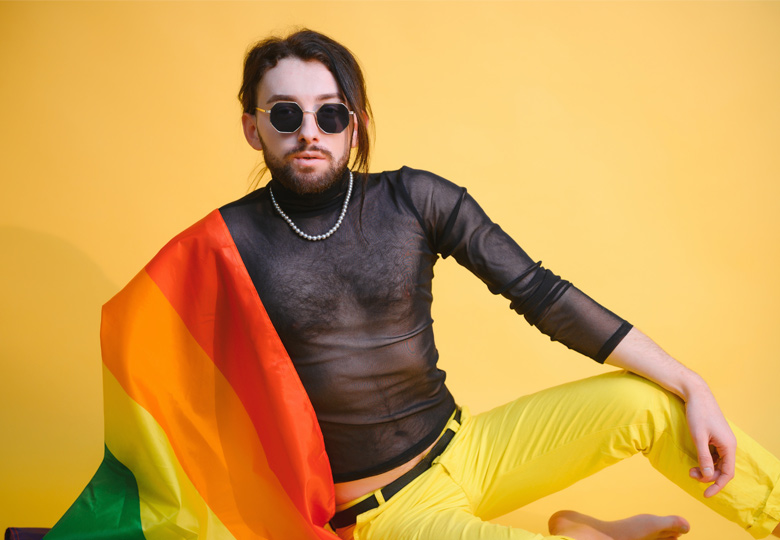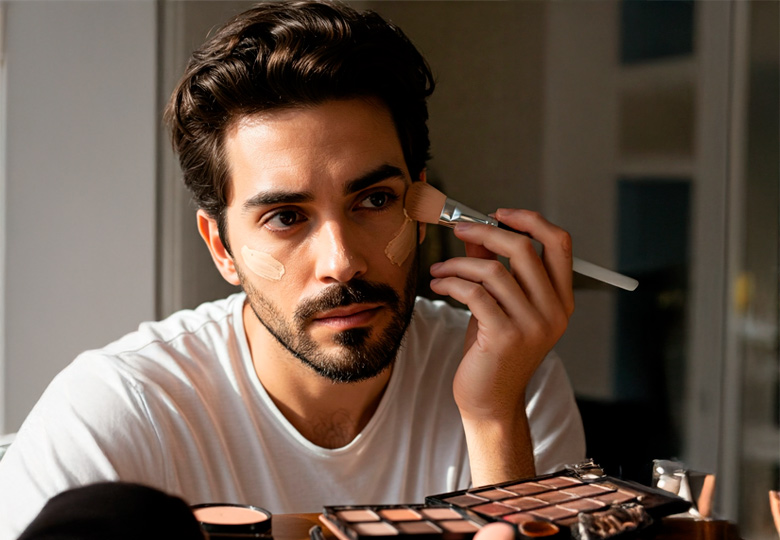
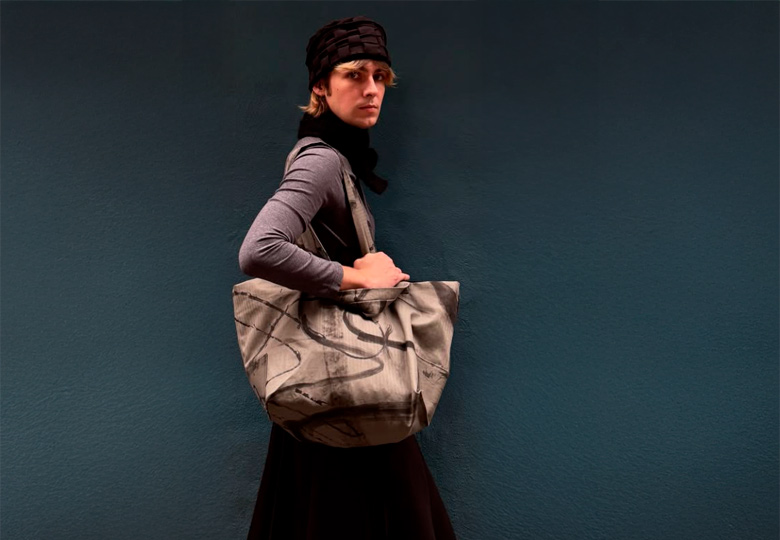
Fashion is changing, and for the better. For years, the industry has operated under very closed standards, with limited sizes, strict gender categories and little representation of body diversity. But that is being left behind. Today, many brands are betting on more inclusive fashion, where everyone can feel represented and comfortable with what they are wearing. Here we present 10 firms that are revolutionizing the market!
1. Telfar: Luxury without exclusivity
This New York brand, created by Telfar Clemens, has broken the mold by redefining what luxury means. Their motto is clear: “It’s not for you, for everyone.” With genderless and affordable designs, Telfar has shown that high-quality fashion does not have to be elitist.
View this post on Instagram
2. Official Rebrand: Recycling with identity
With an upcycling and genderless philosophy, Official Rebrand transforms old clothes into modern and fluid pieces. This brand challenges the idea that fashion must fit into predefined labels and is committed to a free expression of identity.
View this post on Instagram
3. Chromat: Diversity on the catwalk
If there is a firm that has opted for inclusion from the beginning, it is Chromat. Their designs, especially their swimsuits and sportswear, include plus sizes, diverse bodies, and trans and non-binary models in their campaigns.
View this post on Instagram
4. Gogo Graham: Trans Haute Couture
Gogo Graham is one of the few brands designed specifically for trans women. Their garments combine signature design with special attention to the needs of the trans community, something that is still missing in many large brands.
View this post on Instagram
5. Wildfang: Reinventing the “masculine”
Wildfang plays with what has traditionally been considered men’s clothing, adapting it for anyone. From suits to graphic tees, their collection focuses on challenging gender roles and offering label-free options.
View this post on Instagram
6. Riley Studio: Sustainable and genderless fashion
Riley Studio is committed to ethical and genderless fashion, using recycled and sustainable materials in all its garments. Their philosophy is simple: minimalist, functional designs for everyone.
7. Universal Standard: Revolution in sizes
Inclusion also involves sizing, and Universal Standard knows it. Its clothing is available from size 00 to 40, which makes it one of the few brands that really supports body diversity.
View this post on Instagram
8. Phluid Project: Activism through fashion
More than a brand, Phluid Project is a movement. With genderless clothing and a strong philosophy of inclusion, this brand also organizes events and talks on diversity and LGTBIQ+ rights.
View this post on Instagram
9. TomboyX: Tagless underwear
Lingerie is often marked by stereotypes, but TomboyX has broken that. They offer comfortable, genderless underwear in a wide range of sizes, so anyone can feel good in what they wear.
View this post on Instagram
10. Eckhaus Latta: Art and fluidity in fashion
This duo of designers has created a completely own aesthetic, where gender fluidity is the protagonist. Their garments are a combination of art, fashion and experimentation, challenging traditional industry norms.
View this post on Instagram
Is inclusive fashion enough?
These brands are changing the fashion landscape, but there is still a lot to do. Inclusion should not be a “trend,” but rather an industry-wide reality.
You also have to ask yourself: are these initiatives available to everyone or are they still exclusive to a niche? Inclusive fashion must be accessible in price, availability and visibility. Only in this way will we achieve an industry truly for all people.