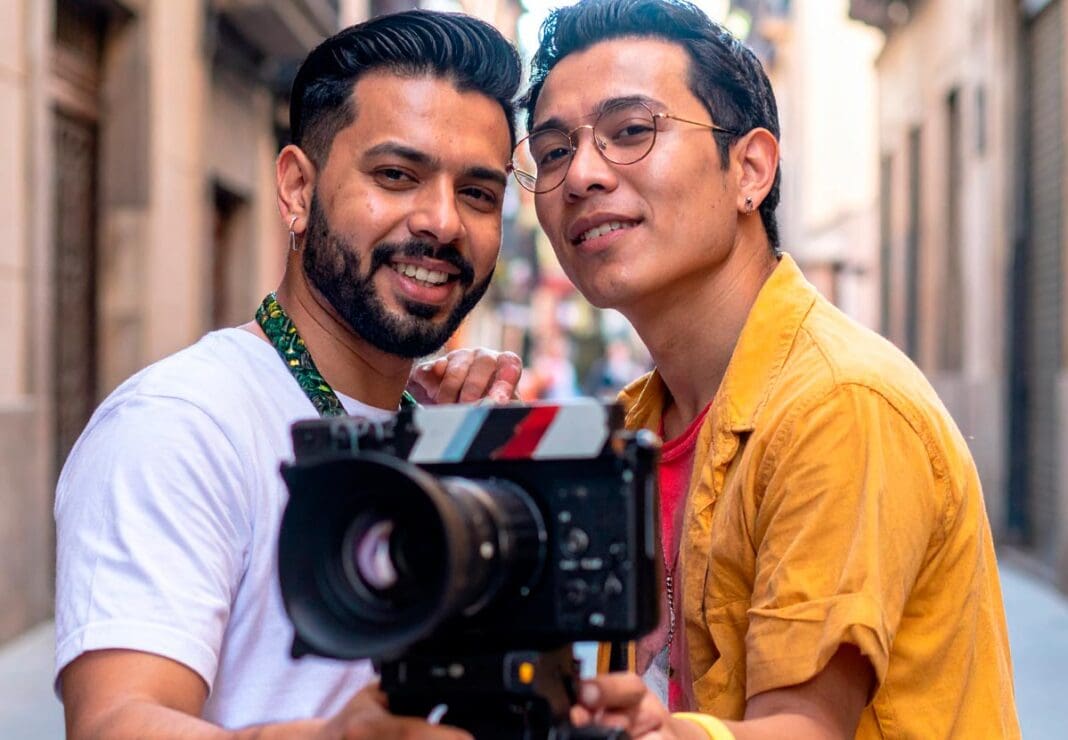



Gentrification is a phenomenon that affects many urban communities, but its impact is particularly profound in queer neighborhoods, which have historically been refuges for LGTBIQ+ people. This article explores how real estate speculation is transforming these spaces and how their residents are organizing to resist.
The History of Queer Neighborhoods
Queer neighborhoods, such as Chueca in Madrid or the Castro in San Francisco, have traditionally been spaces of freedom and expression for the LGTBIQ+ community. For decades, these areas have offered a safe haven in an often hostile world. However, the arrival of gentrification has endangered this history of resistance and community.
Real Estate Speculation: A Growing Problem
Real estate speculation occurs when investors buy properties in the hope that their value will increase rapidly. In neighborhoods that have historically been LGTBIQ+, this phenomenon has intensified. Rental and property prices have risen dramatically, leading to many people being displaced from their homes.
Gentrification not only affects the people who live in these neighborhoods, but it also transforms local culture. Small businesses, bars and community spaces that once defined the identity of these places are closing or being replaced by franchises and businesses that do not reflect the diversity of the community.
The Resistance of the Community
Despite these challenges, queer communities are resisting. In many cities, advocacy groups are forming to fight for affordable housing and the right to stay in their neighborhoods. These organizations work to raise awareness about gentrification and advocate for policies that protect renters.
Examples of Collective Action
- -Tenant Movements: Groups such as “Tenants in Fight” have emerged in several cities, organizing protests and campaigns to demand rent control.
- Community Spaces: Places like La Enredadera in Madrid function as centers of resistance, offering resources and support to the community.
- Art and Culture: Artists and activists use art to make the fight against gentrification visible, creating murals and works that reflect the history and resistance of the LGTBIQ+ community.
The Intersection of Gentrification and Identity
A crucial aspect to consider is how gentrification affects gender and sexual identities in these communities. Speculation not only physically displaces people, but also threatens cultural diversity and the visibility of different identities. What happens to a neighborhood’s identity when its residents are forced to leave? This is a question that deserves to be explored and debated.
However, it is important to question whether all resistance efforts are truly inclusive. Often, anti-gentrification movements can fail to consider the voices of all people within the queer community. Tensions between different groups, such as those seeking to preserve local culture and those fighting for affordable housing, can create conflict. How can you ensure that everyone is represented in the fight against gentrification? This question is fundamental for the future of resistance.
The fight against gentrification in queer neighborhoods is a call to action that resonates throughout the LGTBIQ+ community. Resistance manifests itself in multiple forms, from community organizing to artistic expression. It is essential that we continue to support these efforts and that the fight for affordable housing and the preservation of queer culture go hand in hand.
The history of queer neighborhoods is rich and diverse, but their future is at stake. The community must remain united to ensure that these spaces remain havens of freedom and expression. Ultimately, gentrification is not just a housing problem; It is a problem of identity and belonging, and its resistance is crucial for the well-being of the LGTBIQ+ community.