
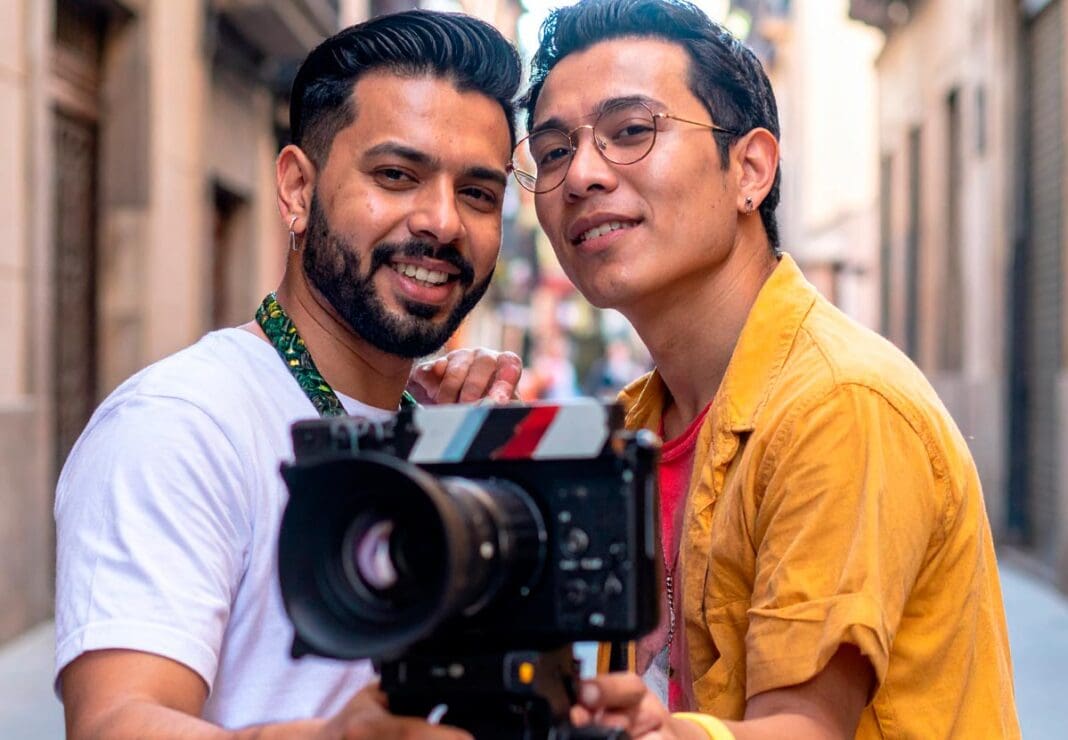
Cinema has been, since its beginnings, a powerful medium for telling stories. Currently, low-budget cinema has found its space within the queer panorama, offering visibility and representation to the LGTBIQ+ community. These films, often made with limited resources, have managed to create a significant impact, both cultural and social. In this article, we will explore some of these works that have marked a before and after in LGTBIQ+ representation, in addition to analyzing their relevance in the current context.
The Strength of Independent Narratives
Low-budget productions are often driven by passion and the need to tell authentic stories. Many of these works have emerged from the community itself, counting on the perspective of its protagonists. In this sense, independent queer cinema has been a vehicle to address complex topics such as identity, love, struggle and acceptance.
Films like “Tangerine” (2015), shot on an iPhone, challenge the notion that a big budget is necessary to create meaningful art. Her raw and realistic approach to the lives of trans sex workers in Los Angeles has resonated deeply, showing the beauty and hardships of their lives. These types of narratives, which break traditional stereotypes, are essential for the visibility of the LGTBIQ+ community.

Representation and Empowerment
Representation in film is crucial. Over the years, the lack of LGTBIQ+ characters in mainstream films has led to an invisibility that can be detrimental to the self-esteem of young people who identify as part of this community. Low-budget films often focus on stories that allow people to see themselves reflected on the screen.
A notable example is “Pariah” (2011), which tells the story of an African-American teenager exploring her sexual identity. The film not only offers representation, but also addresses the complexities of being a part of multiple marginalized communities. The success of these stories demonstrates that queer cinema not only entertains, but also educates and empowers.
The Power of Speech
One of the most fascinating aspects of low-budget queer cinema is its ability to generate discussions. These films often address taboo topics and offer a space for voices that might otherwise be silenced to be heard. An example is “The Watermelon Woman” (1996), which explores the history of African-American women in film and their representation. This film is not only a milestone of queer cinema, but also a social commentary on intersectionality within the LGTBIQ+ community.
The provocative dialogues that emerge from these works can challenge social norms and encourage reflection. What happens when the voices of marginalized communities are amplified through art? Is it possible that these narratives can change perceptions and open paths to greater acceptance?
Challenges and Criticisms
Despite the growing popularity of queer cinema, it is not without criticism. Some argue that the production quality in these films may be inconsistent, which could detract from their messages. Furthermore, there is a risk that stories will be simplified or exploited for sensationalism. It is important to question how these films are financed and distributed, as they often rely on independent festivals and platforms to reach their audiences.
Lack of resources also means that many stories go untold. How many voices are lost along the way? What important stories are not being told due to financial constraints? These questions are essential to understanding the dynamics of queer cinema and its future.
Low-budget cinema has proven to be a vital component in LGTBIQ+ representation. Through authentic and provocative narratives, these films have managed to significantly impact popular culture. However, the road ahead is full of challenges. How can we ensure that queer stories continue to be told and that all voices within this community are heard? The future of queer cinema will depend on our ability to support and encourage these productions, ensuring that diversity and inclusion are always a priority.
As the film industry continues to evolve, it is essential that we continue to question and reflect on the role that cinema plays in the representation of the LGTBIQ+ community. Low-budget cinema, far from being a limitation, is presented as a unique opportunity to tell stories that matter.