
The mental health of LGTBIQ+ people is severely affected in contexts where discrimination and violence are an everyday reality. In many places around the world, being part of this community can mean facing hostility, marginalization, and sometimes persecution.
The burden of discrimination
Discrimination can have devastating effects on mental health. Studies have shown that LGTBIQ+ people have higher rates of anxiety, depression and suicide compared to their heterosexual peers. This is due to multiple factors: from family rejection to physical and verbal violence, to lack of access to adequate health services.
The social pressure to conform to heteronormative norms can be overwhelming. This begs the question: how can resilient mental health be cultivated in the midst of such adversity?

Community support strategies
Despite the difficulties, the LGTBIQ+ community has developed support networks that are essential for the mental health of its members. These networks can include self-help groups, safe spaces, and the use of digital platforms that allow connection between people who share similar experiences.
Self-help groups
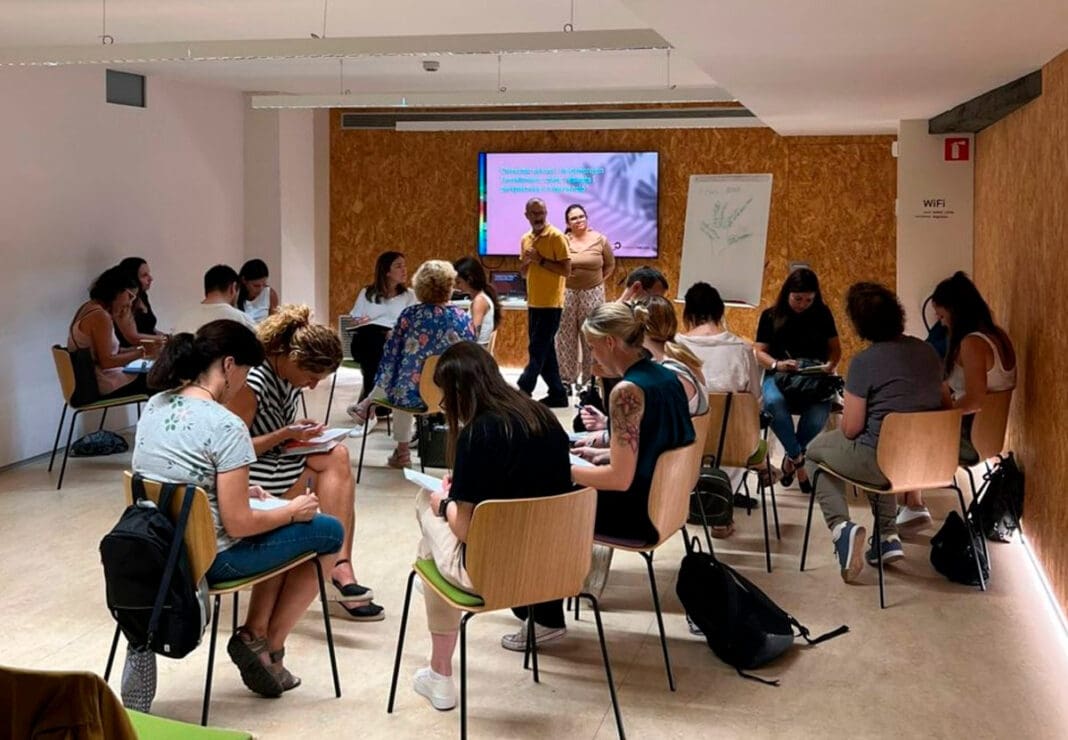
Self-help groups are spaces where people can share their experiences, feel heard and receive emotional support. In many cases, these groups are led by and for LGTBIQ+ people, which guarantees a deep understanding of the problems they face. These encounters can be vital, providing tools to confront discrimination and build resilience.
Safe spaces
Safe spaces, such as bars, community centers or cultural events, are essential for the LGTBIQ+ community. These places offer a haven where people can be their authentic selves without fear of judgment or violence. The creation of these spaces not only encourages socialization, but also helps in the construction of positive identities.
Digital platforms
Social networks and other digital platforms have transformed the way the LGTBIQ+ community connects. They allow people to find support and solidarity, even in hostile environments. However, they also pose challenges, as exposure to hate speech can negatively impact mental health. How do we balance using these platforms for support without falling into the trap of online toxicity?
The importance of visibility
Visibility is key to the mental health of the LGTBIQ+ community. By making their struggles and successes visible, stigmas are challenged and greater social acceptance is promoted. Representation in media, culture and politics can help reduce isolation and strengthen the self-esteem of LGTBIQ+ people.
Activism and mental health
Activism is another form of resistance. People who actively engage in defending their rights not only contribute to social change, but also find a sense of purpose and belonging. This can be extremely beneficial for mental health, as fighting for equity can provide a sense of control and agency in the midst of adversity.
Open questions for reflection
It is vital to ask ourselves: what more can be done to support the LGTBIQ+ community in hostile environments? How can we encourage social change that addresses not only discrimination, but also its effects on mental health? These are questions that require attention and collective action.
However, not all activism is effective, and not all initiatives achieve their goal. Sometimes organizations can prioritize visibility over people’s actual well-being, which can lead to the exploitation of suffering. Additionally, activism can be exhausting, and sometimes imposed expectations can put more pressure on those fighting for equality. It is crucial to question how activism is carried out and what impact it has on the mental health of its protagonists.
The LGTBIQ+ community has demonstrated remarkable resilience in the face of adversity. Through mutual support, the creation of safe spaces and visibility, they manage to face the challenges presented to them by an often hostile world. However, there is still a long way to go to ensure that all people can live fully without fear of discrimination. It is everyone’s responsibility to contribute to a more inclusive and understanding environment, where the mental health of the LGTBIQ+ community is not only a priority, but an achievable reality.