

The rural environment is often perceived as a conservative space, where social norms are rigid and stories of sexual and gender diversity are relegated to silence. However, throughout history, queer people have existed in these environments, leaving traces that deserve to be explored and remembered. This article seeks to give voice to those forgotten stories and reflect on the lives of LGTBIQ+ people in Spanish rural areas.
The Visibility of Queer in the Past
The visibility of queer identities is often thought to be a recent phenomenon. However, historical records reveal that in rural communities there have also been expressions of love and sexuality that went beyond traditional molds. From the Renaissance to the 20th century, there are stories of people who challenged the norms of gender and sexuality, although their stories were often hidden or distorted by time.
For example, in rural Spain in the 18th century, cases were documented of women living together as couples, defying expectations of heterosexual marriage. These relationships, although not always openly recognized, were part of the social fabric of the communities.
The Daily Life of Queer People in Rural Areas
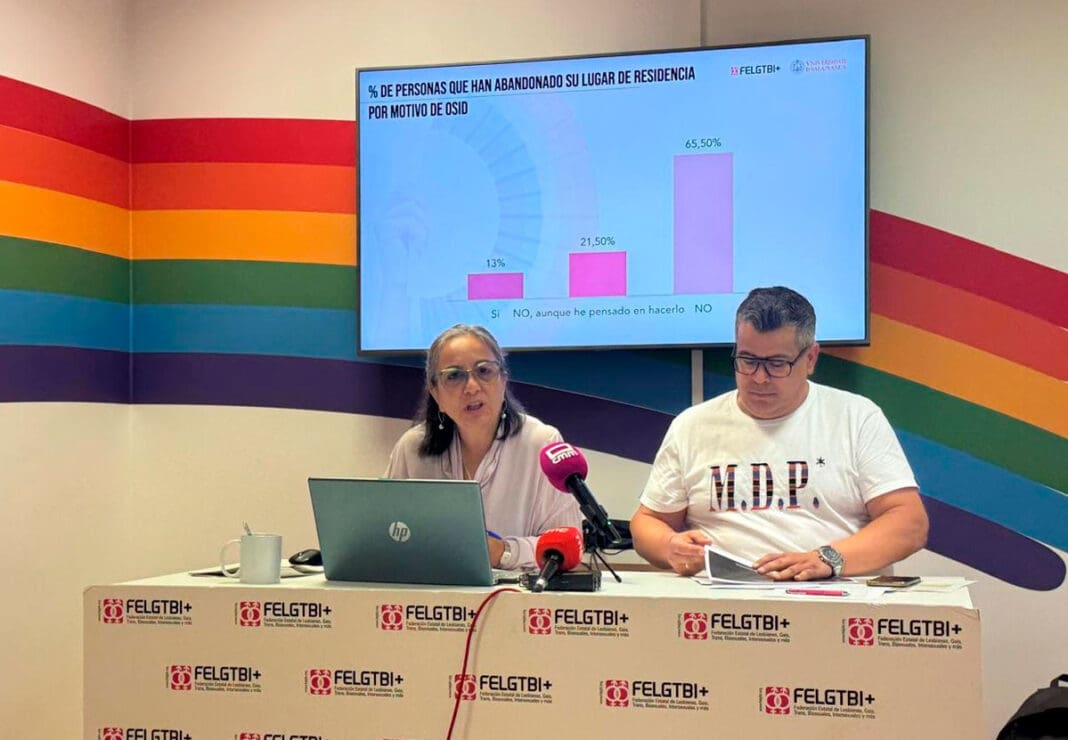
The lives of queer people in rural environments have been marked by the need to hide their identity and, in many cases, by the struggle for acceptance. Small communities can be both refuges and prisons, where the fear of rejection and violence can be overwhelming. However, networks of support and solidarity have also emerged among those who share similar experiences.
Resilience and Activism
Over time, many queer people in rural settings have found ways to resist and create spaces of visibility. During the 90s, for example, activism groups emerged in rural areas that sought to make LGTBIQ+ problems visible. These movements not only focused on defending rights, but also on creating communities where people could be themselves.
The resilience of these communities is remarkable. Despite the difficulties, safe spaces have been created, such as cafes or cultural events, where diversity is celebrated. This makes it clear that the fight for acceptance and visibility is not limited to big cities; It also takes place in the most remote corners of our country.
Critical Views: The Duality of the Rural Environment
However, it is important to note that the rural area is not only a space of resistance and acceptance. It can also be a place where homophobia and discrimination persist. The struggle for acceptance is not without conflict, and many queer people face the dilemma of belonging to communities that, despite their closeness, can be hostile.
It is essential to question the idealization of the rural environment as a space of peace and harmony. Is it possible that the struggles faced by LGTBIQ+ people in these contexts are minimized? The answer appears to be complex and subject to a deeper analysis of the social dynamics at play.
The Importance of Remembering
Remembering these forgotten stories is essential to building an inclusive narrative that recognizes all identities. Talking about the experiences of queer people in rural areas not only makes their existence visible, but also opens a space for dialogue and understanding. By knowing these stories, new generations can better understand diversity and the value of inclusion.
It is vital that institutions and educators commit to integrating these narratives into education and culture. This will not only enrich our understanding of the past, but will also contribute to a more inclusive future.
The stories of queer people in rural areas are a testament to the diversity and complexity of the human experience. Although many of these narratives have been forgotten, their resurgence can offer valuable lessons about acceptance, struggle, and resilience. What other stories of love and bravery are still waiting to be discovered in our fields and towns? The invitation is made to continue exploring and claiming the legacy of those who have loved and lived outside of convention.