
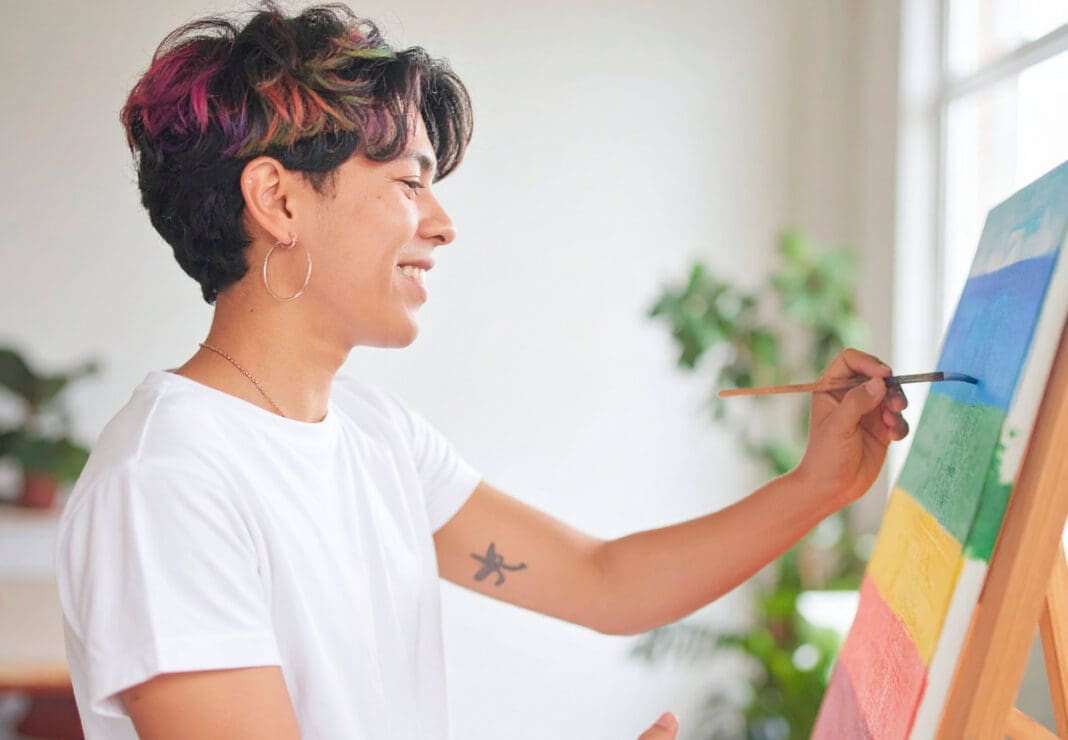
Artistic education has been recognized as a fundamental vehicle for expression and creativity, but its potential as an empowerment tool for the LGTBIQ+ community is a topic that deserves special attention. In this article, we will explore how arts education projects and workshops are transforming lives, building self-esteem and creating inclusive spaces for diversity.
The Power of Art in Queer Identity
Art, in its many forms, has served as a means of expression for those who often feel marginalized by society. Art education allows people to explore their identity, their emotions and often their social situation. In the queer context, art becomes a refuge, a place where you can be authentic and where you can question the status quo.
Creative Workshops: A Safe Space
Creative workshops are essential for artistic education in the queer field. These spaces offer a safe environment where people can experiment without fear of being judged. They are often encouraged to explore topics that are relevant to their experience, such as gender identity, sexuality, and interpersonal relationships.
The Importance of Inclusive Language
In arts education, it is crucial to use inclusive language that allows all participants to feel represented. This not only applies to how ideas are communicated, but also how topics are addressed. By using language that recognizes and validates all identities, a more welcoming and empowering environment is created.
Reflections on Empowerment Through Art
The empowerment achieved through arts education is not limited to creativity. It also involves the ability of people to tell their stories, to claim their place in society and to challenge established norms. What if art were considered a tool not only of expression, but of resistance? This is a question that deserves to be explored in the search for a more just and equal world.
Is Art Enough?
However, it is important to consider that art, although powerful, is not a magical solution to all the problems faced by the LGTBIQ+ community. Some critics argue that the focus on arts education can divert attention from the broader political and social struggles that still persist. Is it possible that we are ignoring the need for more direct action on behalf of LGTBIQ+ rights by focusing too much on artistic expression? This is a valid reflection that invites us to a deeper analysis of how we can balance creativity with the fight for justice.
Despite criticism, it cannot be denied that arts education has the potential to be a bridge to change. By empowering people through art, it opens a door to self-exploration and the creation of inclusive spaces. These projects not only allow queer voices to be heard, but also contribute to the cultural enrichment of society at large.
Thus, artistic education stands as a fundamental pillar in the construction of a more inclusive future, where everyone, regardless of their identity, can feel free to express themselves and be who they really are.