
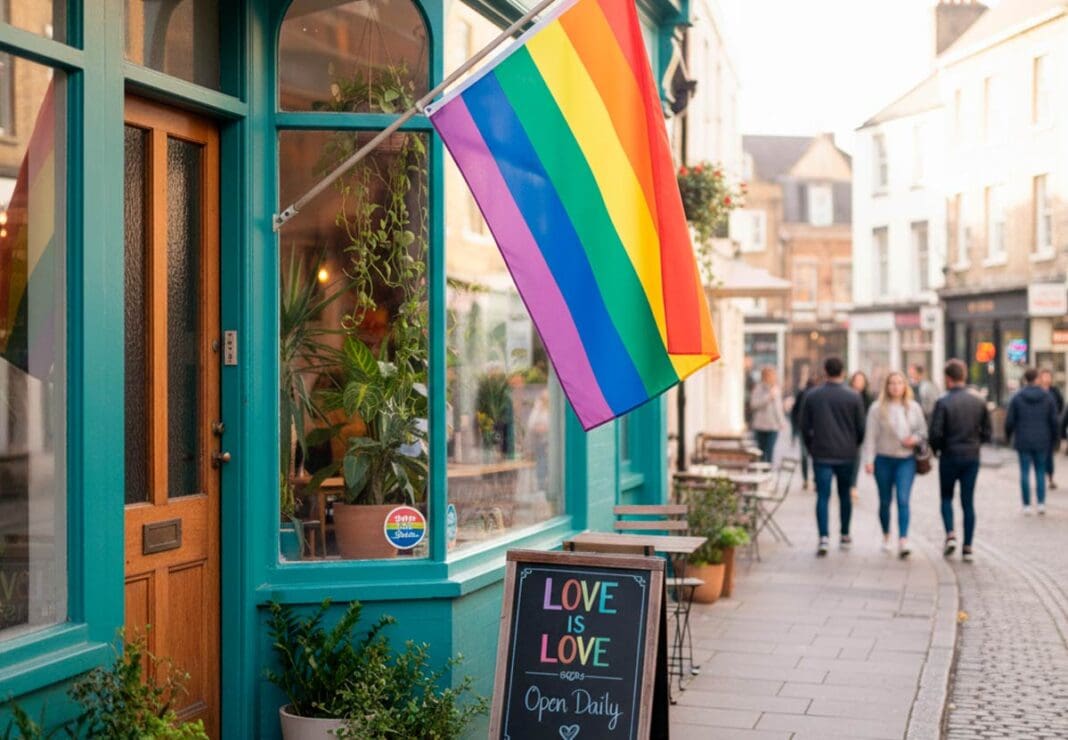
The pink economy, a term that refers to the market aimed at the LGTBIQ+ community, has gained relevance in recent years. Brands are increasingly interested in capturing the attention of this sector, which not only seeks products and services, but also values that resonate with its identity and experiences. However, in this marketing landscape, a crucial question arises: How can we differentiate between authentic marketing and the much criticized pinkwashing?
The rise of the pink economy
The pink economy is not a new phenomenon, but its visibility has increased exponentially. In the context of a more inclusive and diverse society, brands have begun to recognize the purchasing power of the LGTBIQ+ community. Studies have shown that this group represents a significant market, which has led companies from different sectors to launch products and campaigns specifically aimed at queer people.
What are queer consumers looking for?
LGTBIQ+ people are not only looking for products; They seek authenticity, representation and a real commitment to their rights.Increasingly, brands that dare to address the diversity of the community are in the crosshairs of an audience that values inclusion above all else. In this sense, critical consumption becomes essential. Are we choosing brands that truly support the cause, or are they simply trying to capitalize on it?

Authentic Marketing vs. Pinkwashing
Pinkwashing refers to the strategy of some brands that promote a message of support for the LGTBIQ+ community without a real commitment behind it. This can come in the form of products decorated with the rainbow flag during pride month, but without concrete actions to back this support.
To identify pinkwashing, it is important to look at several aspects:
- Concrete actions: Does the brand make donations to LGTBIQ+ organizations? Do you participate in pride events?
- Transparency: Does the company share its history and relationship with the community?
- Consistency: Does your support extend beyond Pride Month? Is it part of your business mission and vision?
The importance of authenticity
Brands that truly support the community don’t just run temporary campaigns, they engage on an ongoing basis. This includes having inclusive policies, diversity in its work teams and a real commitment to the fight for LGTBIQ+ rights. For example, brands like Grupo Loreal have been acclaimed not only for their taste, but for their strong stance on human rights.
Critical perspectives on the pink economy
It is essential to consider that, despite the growing visibility and support for the LGTBIQ+ community, marketing aimed at this group can also generate tensions. Some critics argue that the business focus on diversity often ignores the real struggles the community faces. This begs the question: Are we allowing brands to take ownership of our struggles in a way that distorts their true meaning? Likewise, there is concern that critical consumption can become a superficial act if it is not accompanied by deep reflection on the impact that our purchasing decisions have on the community.
Consumer responsibility
As consumers, we have the power to choose. It is our responsibility to research and know the brands we support. Critical consumption is not just about choosing products, but about making informed decisions that reflect our values. When we support brands that genuinely champion diversity and inclusion, we send a clear message about what we value.
The pink economy represents fertile ground for growth and inclusion, but it also poses significant challenges. It is essential that both brands and consumers commit to building a more just and inclusive world. Authenticity in marketing is essential, and critical consumption is a powerful tool in our hands. Are we ready to ask the hard questions and demand more from the brands we choose?