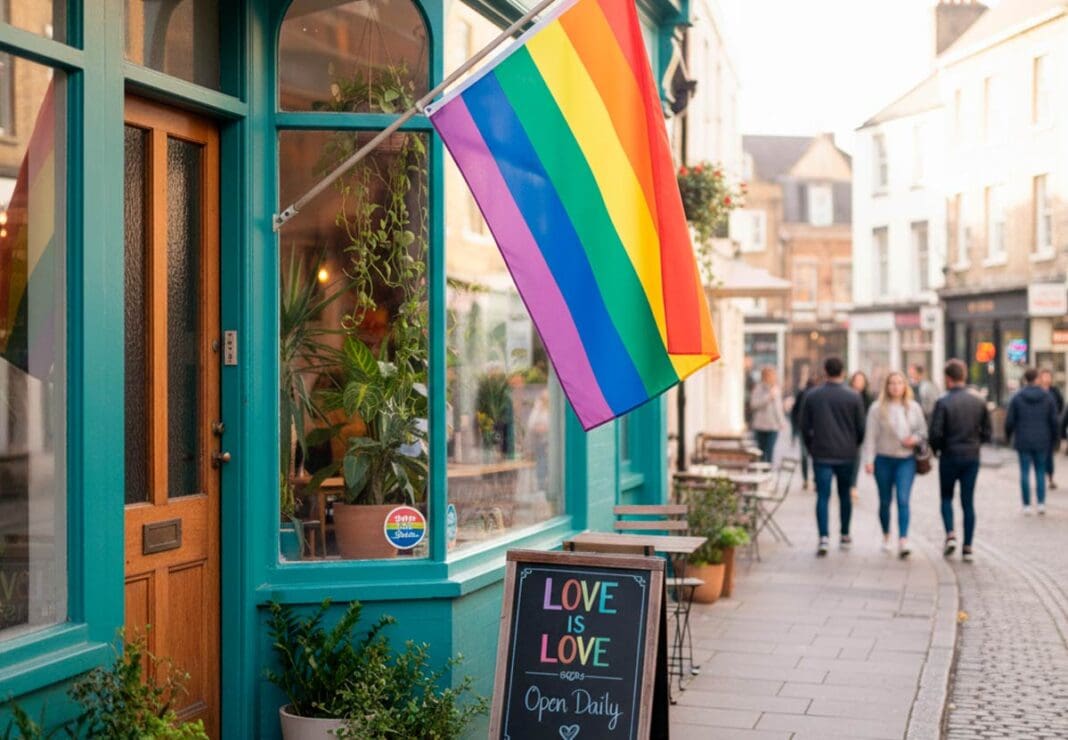


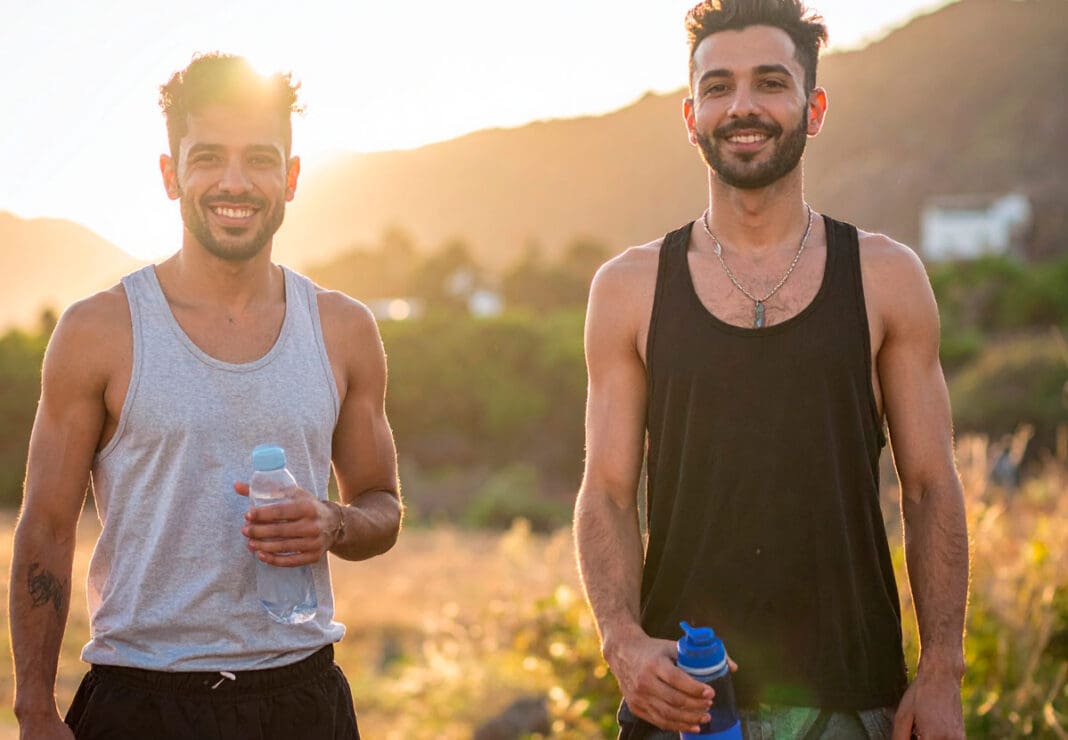
Sport is a powerful tool for inclusion and social cohesion, and in rural settings, this role can be even more significant. As the world moves towards greater acceptance of diversity, initiatives that promote the inclusion of LGTBIQ+ people in sports competitions and activities are gaining ground, offering a safe and welcoming space for all gender identities and sexual orientations.
Rural sports: a space of opportunities
Rural communities have traditionally been viewed as conservative, but in recent decades, there has been a positive shift in this narrative. With the rise of social awareness and acceptance of diversity, many towns have begun to promote sports as a means of integration. Local competitions, such as soccer tournaments, mountain races or athletics events, are being reformulated to be more inclusive.
The initiatives that integrate LGTBIQ+ people in rural sports not only seek to encourage participation, but also to raise awareness about diversity and break down gender stereotypes. For example, in some localities, sports leagues have been created that allow people of different sexual orientations to compete together, promoting camaraderie and mutual respect.
The social impact of sport
Participating in sports not only improves physical health, but also has a positive impact on mental health. For many LGTBIQ+ people, sport becomes a refuge, a place where they can be who they are without fear of being judged. Sports activities offer a platform to build friendships, develop teamwork skills and, most importantly, foster self-acceptance.
Additionally, sport can be a vehicle to educate rural communities about sexual and gender diversity. Through workshops and talks at sporting events, a dialogue can be opened about inclusion and respect, challenging the myths and prejudices that often persist in these areas.
Open questions for reflection
However, questions arise about the sustainability of these initiatives. Will they be able to maintain the momentum necessary to continue growing? How can you ensure that these activities are not seen as “fad projects” that disappear over time? It is vital that the community is involved in the planning and execution of these events to ensure they are truly inclusive and relevant.
Despite the progress, not everything is positive. Some critics point out that, in certain cases, inclusion initiatives can be superficial, limited to team building without addressing the cultural roots that perpetuate homophobia and discrimination. This approach can create an illusion of acceptance without a real change in underlying attitudes. The key to success lies in genuine engagement by communities and continued diversity education.
The integration of LGTBIQ+ people in competitions and sports activities in rural environments is an essential step towards a more inclusive society. Through well-planned initiatives and a focus on education, sport can become a safe and welcoming space for all. It is essential to continue supporting and promoting these initiatives, not only for the well-being of LGTBIQ+ people, but for the enrichment of rural communities as a whole.
The question that remains is: how can we continue to move in this direction and ensure that sport is truly a level playing field for all?