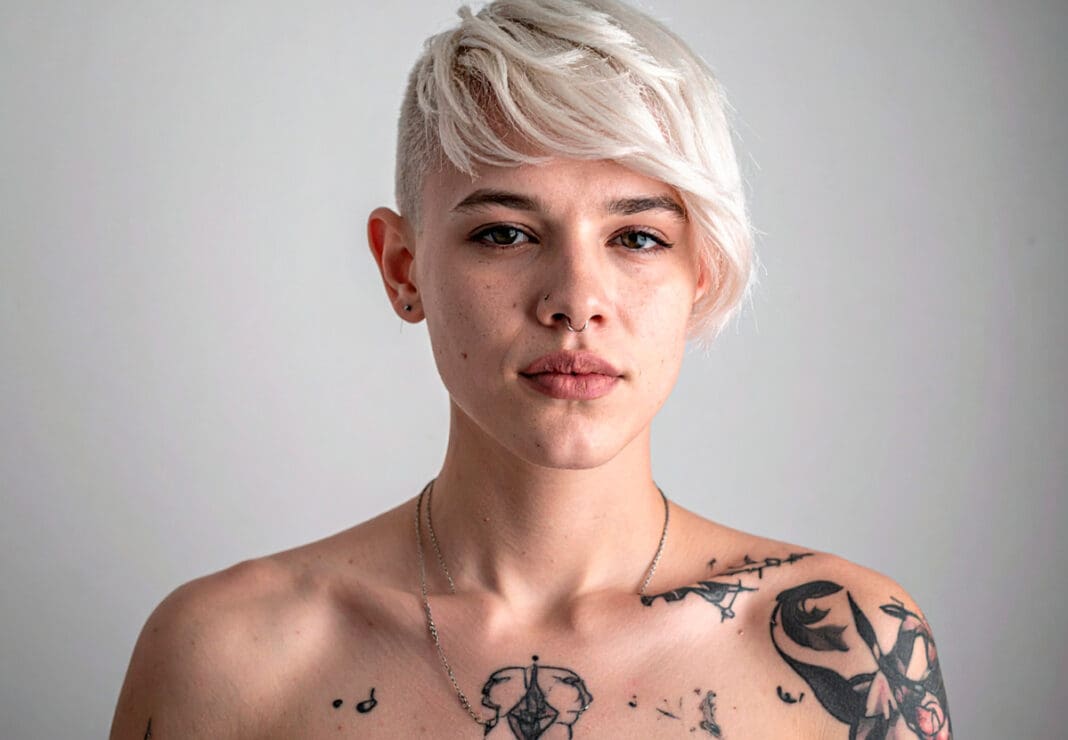


The present brings us stories that intertwine in different corners of the world, reflecting both the achievements of visibility and the shadows of violence. In Australia, former AFL player Mitch Brown decided to speak publicly about his bisexuality, a gesture that breaks decades of silence in a sport marked by the pressure of machismo and stereotypes. His sincerity not only opens a door in the sporting field, it also sends a message to thousands of young people who still feel out of place: authenticity has power, even in the most closed spaces.
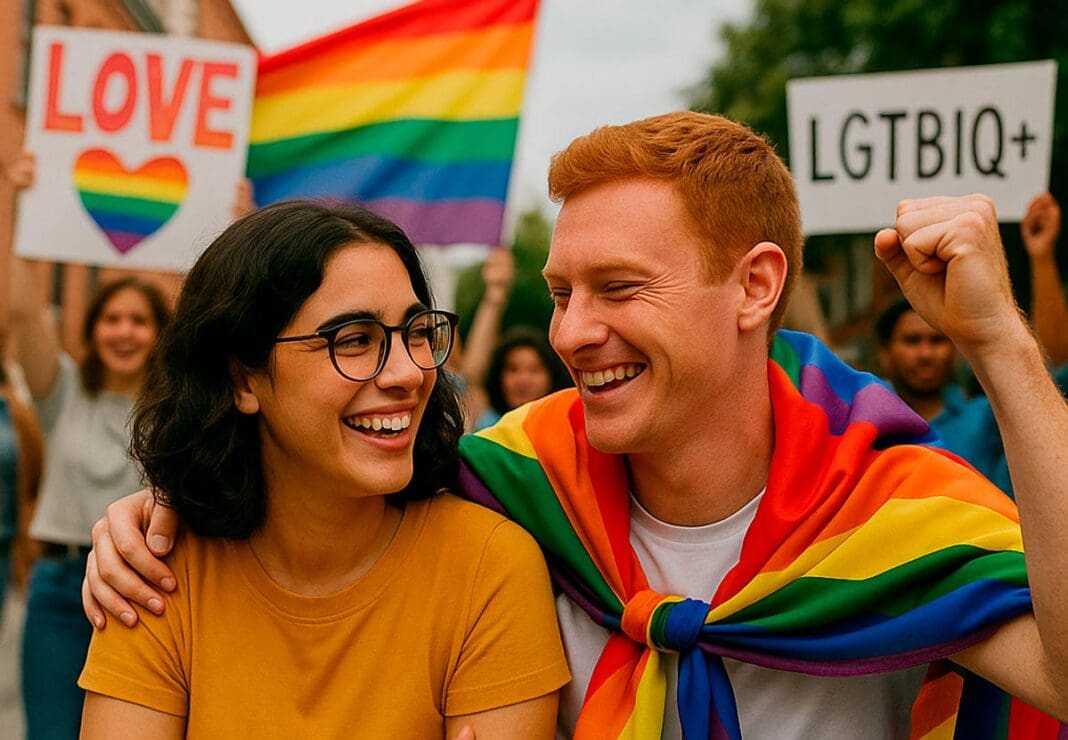
Meanwhile, in Spain, Benidorm is preparing to celebrate the 15th anniversary of its Pride, an event that transcends partying to become a true cultural driving force. More than 20,000 attendees will give life to a week of meetings ranging from parades and concerts to exhibitions, film debates and the “Un Altra Historia” exhibition, a tour of Valencian LGTBIQ+ references. In this context, the festival becomes a living memory and a space to claim that diversity also builds cultural heritage.
However, not all news comes in the same color. In Colombia, a recent report reveals that in 2024, 175 murders of LGTBIQ+ people were recorded, the highest number in all of Latin America. The majority of the victims were gay men and trans women, and impunity continues to be the norm: only nine cases resulted in a conviction. Behind the numbers hide lives cut short by a system that does not protect, communities silenced by armed violence and a State that urgently needs to reinforce justice with a gender and diversity perspective.
Faced with these contrasting realities, the question is inevitable: what can we do? The answer does not lie only with institutions and governments, but also with citizens who decide to look, listen and act. Supporting visibility events such as Benidorm Pride, giving space to brave voices like Mitch Brown’s or demanding justice for victims of violence in Colombia are acts that, although different, share the same goal: sustaining the dignity of the group.
In my opinion, action begins in everyday life. Attending a march, sharing the story of someone who inspires, denouncing hate speech online or simply creating a safe environment for our LGTBIQ+ friends are gestures that add up and transform. Full equality is not achieved in solitude: it is built in community, in resistance and also in joy.
Because as long as there are those who risk their voices to open paths, those who proudly celebrate their identity and those who fight against structural violence, hope will continue to beat. The task of everyone is clear: not to take even a step back.