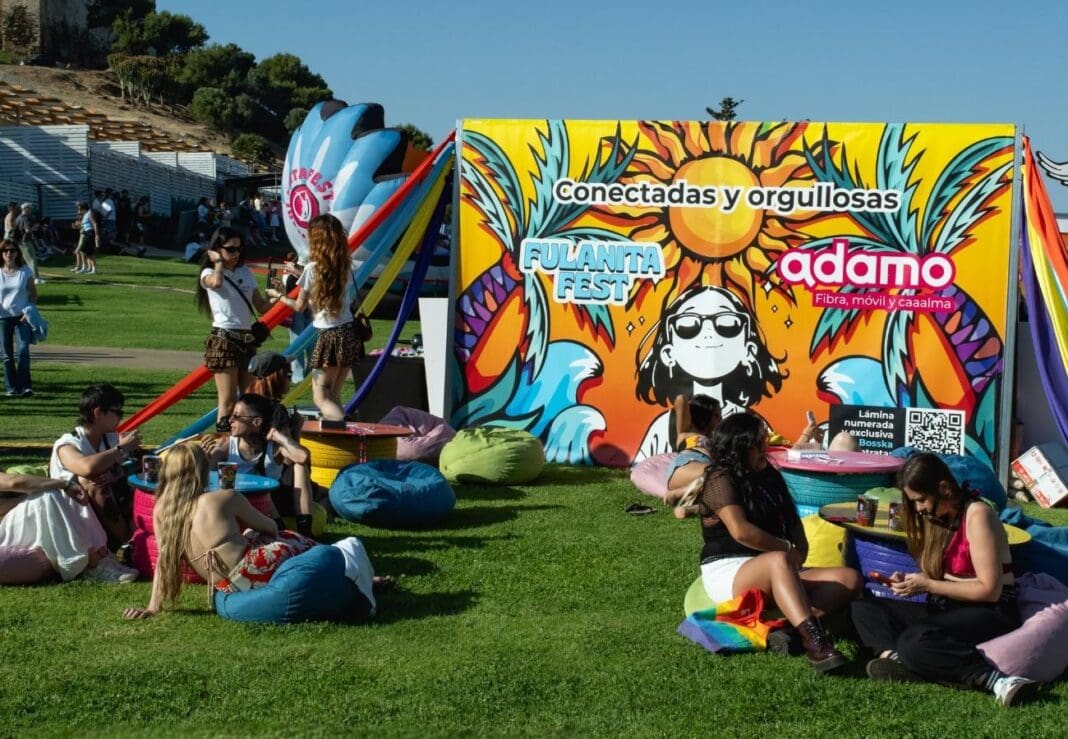

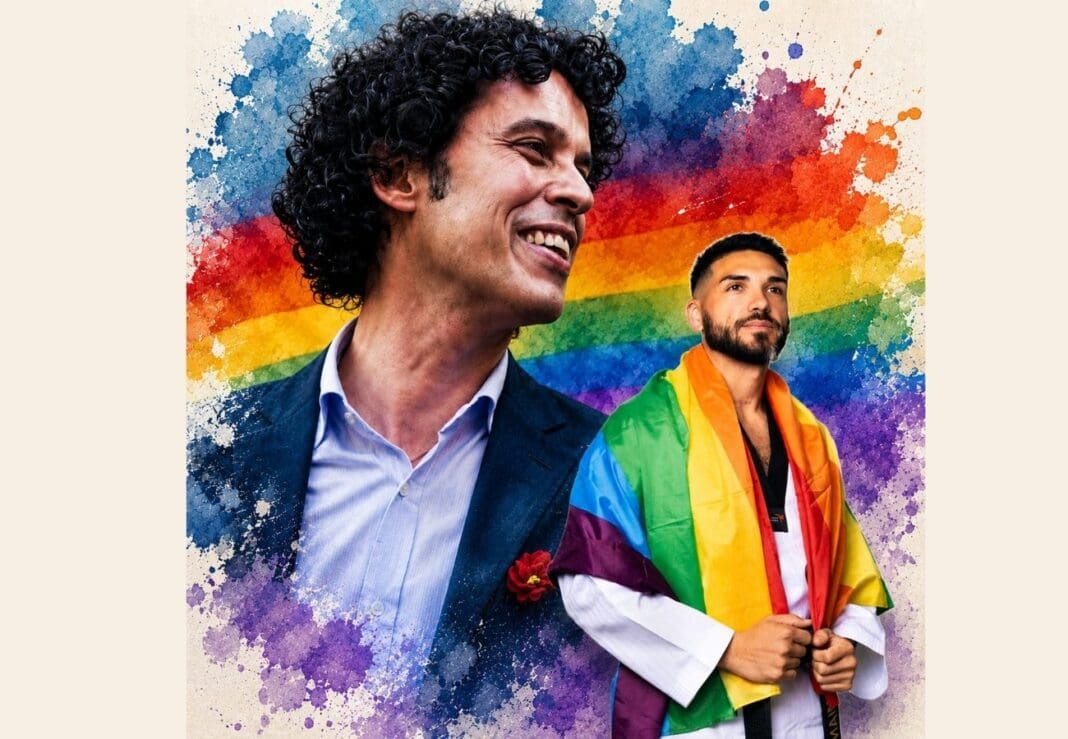
Every June the streets are filled with color, vindication and memory. The LGTBI Pride was not born as a festive celebration, but as a brave response to the discrimination, violence and persecution that millions of people suffered for decades for loving or being different. Its origin is found in the Stonewall revolt, in New York, in June 1969, when a group of LGTBI people decided to stand up to injustice. Since then, Pride has become a global movement for equality, dignity and human rights.
This year, furthermore, the calendar invites us to stop at a particularly significant date. June 9 marked eleven years since the death of Pedro Zerolo, one of the most important figures in the recent history of Spain in the defense of civil rights and equality.
To talk about Pedro Zerolo is to talk about a generation of activists who understood that social achievements do not come alone. That behind each right there are years of mobilization, pedagogy, courage and political commitment. As he himself demonstrated, politics serves to transform pain into rights and to convert social demands into real advances for millions of people.
Pedro Zerolo was much more than an LGTBI activist. He was a public servant, a committed socialist, a defender of diversity and a firm believer that equality should be built from institutions without ever leaving the streets. His role was decisive in making Spain one of the first countries in the world to approve equal marriage in 2005, a historic achievement that changed the lives of thousands of families and placed our country at the forefront of civil rights.
That victory was not a gift. It was the result of the collective work of activists, associations, social movements and political leaders who knew how to understand that equality does not admit surnames or exceptions. As José Luis Rodríguez Zapatero himself recalled, Pedro Zerolo was one of the people who most influenced that historic law to come to light.
Eleven years after his death, his legacy remains fully alive. Not only in the laws that he helped promote, but also in a way of understanding activism based on empathy, dialogue, democratic firmness and the construction of alliances. A way of doing politics that remains deeply necessary.
And if today that legacy remains strong, it is also thanks to those who have assumed the responsibility of safeguarding it and projecting it into the future. From the Pedro Zerolo Foundation, people like Toni Poveda, Miquel Fernández and Carla Antonelli have kept Pedro’s memory alive, promoting initiatives, promoting education in democratic values and reminding us that the rights achieved are never irreversible. Year after year, his presence at tributes and commemorative events shows that the best way to remember Pedro is to continue his work.
Because the current reality forces us to be alert. We live in a time in which speeches that question rights that seemed consolidated reappear. The increase in hate messages, the normalization of certain attacks against LGTBI people and the advance of reactionary currents in different countries remind us that no progress is guaranteed forever.
That is why Pride is still necessary.
It is necessary to celebrate what has been achieved, but also to claim what still remains to be achieved. It is necessary to remember those who fought before us. It is necessary for new generations to understand that the rights they enjoy today were achieved thanks to the effort and sacrifice of many people.
Enjoying Pride and living it fully is also a form of resistance. But Pride cannot stop only at the celebration. It must continue to be activism, commitment and participation. It must continue to be a tool to combat discrimination, to defend diversity and to expand spaces of freedom.
Pedro Zerolo understood better than anyone that equality was not a final destination, but a permanent path. He taught us that social advances only last when there is a committed citizenry willing to defend them. He taught us that hope is always more powerful than fear and that dignity ultimately defeats intolerance.
Eleven years after his departure, his example continues to light the way. In the face of those who want to sow division, let us raise coexistence. In the face of those who promote hatred, let us respond with rights. Faced with those who want to go backwards, let us move forward.
May the best tribute to Pedro Zerolo be to continue building a freer, more egalitarian and more decent society.
And that, in the face of the growth of hate speech, we are a true democratic retaining wall. Because equality is never definitively inherited: it is conquered, protected and exercised every day.
That was the legacy of Pedro Zerolo. And also our responsibility.