
In the diversity of the LGTBIQ+ collective, there are words that do more than name. “Bear” is one of them. It may seem like a curious, even cute, label, but it contains much more than a simple physical description. It speaks of history, desire, resistance… and also contradictions.
Today, I invite you to discover what it means to be a “bear” in the LGTBIQ+ context, how this identity emerged, how it is lived (and celebrated), and what reflections it generates today.
What does it mean to be a “bear”?
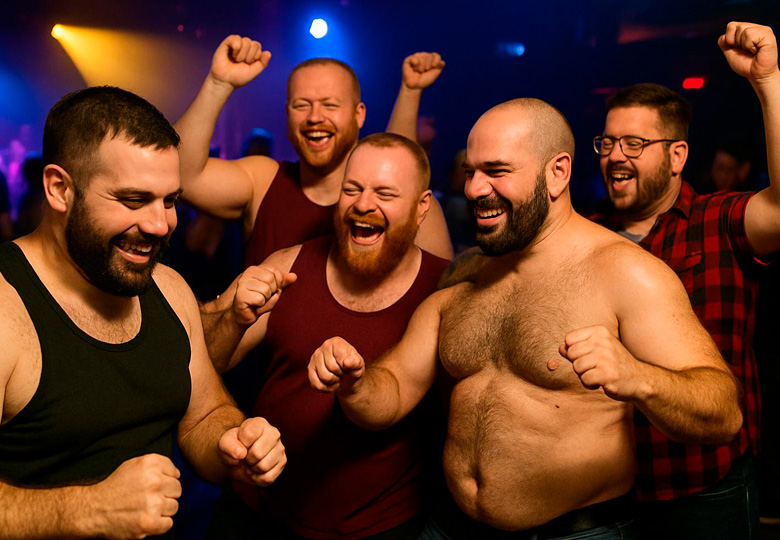
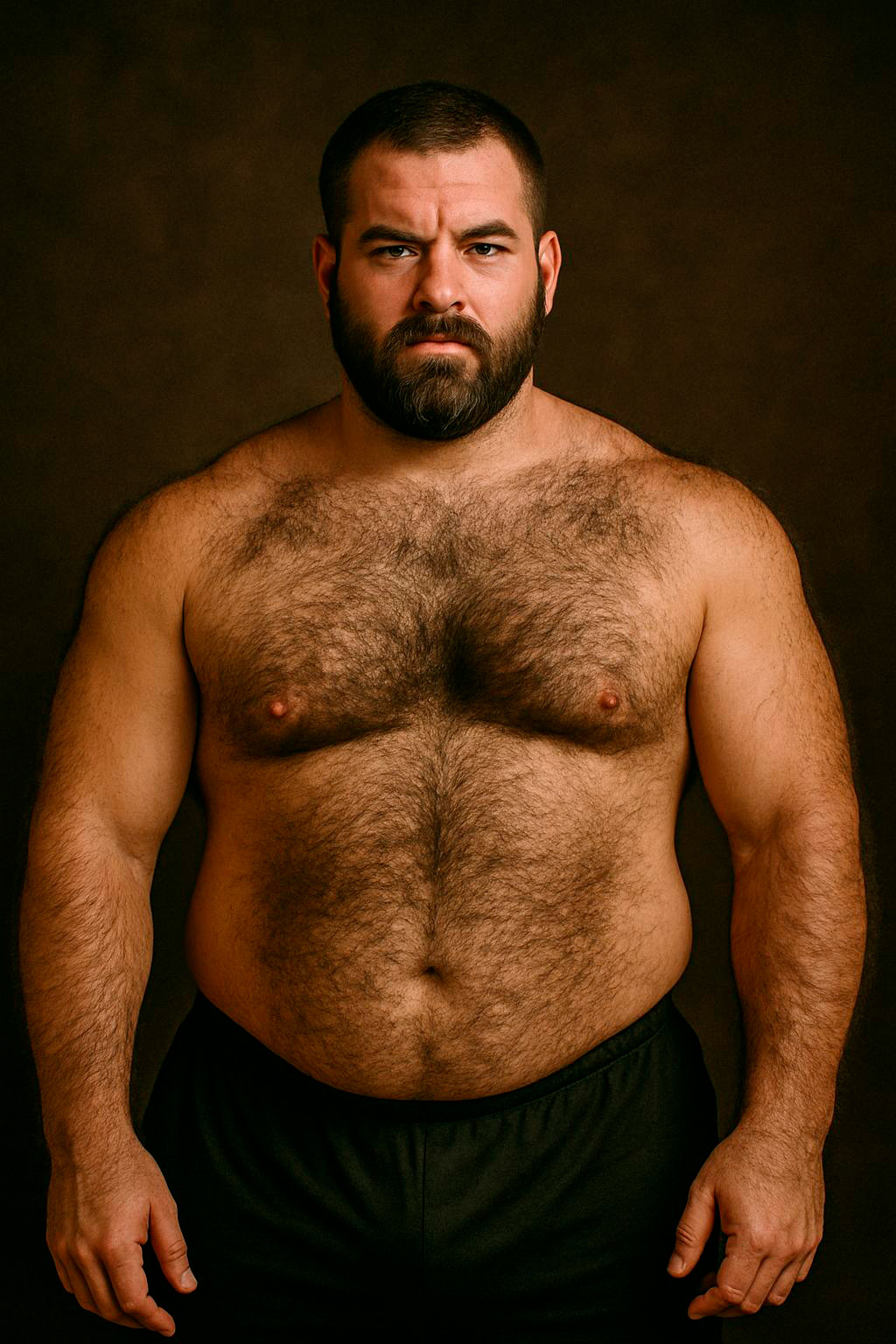
In simple terms, within the gay community, a “bear” is called a homosexual man with a large, often hairy body, with a masculine aesthetic traditionally associated with “roughness.” But this definition falls short.
The concept of “bear” goes beyond the body or the beard: it is an identity, a subculture within the gay world that is characterized by claiming a corporality different from the dominant canons and, in many cases, by generating networks of affection, belonging and community.
Many bears recognize each other not only by appearance, but by a certain way of being in the world. In fact, there are thin, hairless or more androgynous “bears” that are also part of the movement. Because, in the end, the label does not always have clear borders.
Origin of the term: from the margins to pride
The term was born in United States in the 1980s, in a context where the dominant stereotype of gay men was very different: muscular, shaved bodies, very marked by a youthful and athletic aesthetic.
In this scenario, those who did not fit in—due to overweight, age, body hair, or non-normative ways—began to create their own space. A space where they did not have to hide their body or their way of desire.
This is how the bear community emerged. First in bars and underground magazines, then in associations, theme parties and even international conferences. What began as a reaction to aesthetic exclusion transformed into a celebration of the diverse body, non-hegemonic desire, and dissident masculinity.
Beyond the beard: a culture of its own
The “bear” culture has been building its own symbolic universe. From flags (yes, there is a bear pride flag with earth tones and a footprint), to their own spaces within Pride celebrations.
It also has its own language, with terms like:
-
Little Bear: someone younger within the community.
- Publicidad-
-
Cub: people who are still “growing” into their bear identity.
-
Daddy Bear: Older bears, often admired or desired for their experience and presence.
-
Wolverine: A thinner type of bear, but still hairy and masculine.
And yes, although it may seem quaint, all this has important weight: it names realities and links that were previously invisible.
Spaces of belonging… and exclusion?
Like any subculture, the bear universe has been a refuge for many. A place where it was not necessary to “go on a diet” to be liked, nor hide one’s belly, nor imitate gestures to be accepted. For many gay people with non-normative bodies, the bear community was—and continues to be—a way to heal the rejection experienced in other spaces, even within the LGTBIQ+ collective itself.
But not everything is ideal.
Over time, some critical voices have pointed out that certain circles of bear culture reproduce dynamics of exclusion, this time towards racialized, feminine or trans people. The overvaluation of a “rough” masculinity that can become restrictive or even toxic has also been questioned.
And this is where the uncomfortable questions appear.
- To what extent are we breaking molds if we only create new ones?
- Is it possible to maintain a community with an identity without it becoming a select club?
Bears and visibility: from stereotype to representation
In the media, the bear has been represented with some ambivalence. Sometimes as a sex symbol, other times as a secondary character who provides tenderness or humor. But the complexity of his identity is rarely explored.
In recent years, however, representation has improved, thanks to influencers, artists and activists who speak openly from this experience. Films, series and documentaries have also emerged that explore this identity with more respect.
Visibility matters. Because the bear body has also been stigmatized, not only for its fatness or hair, but for breaking with the capitalist logic of the “perfect” body. In that sense, being visible and desiring from this identity is also a political act.
What place does the bear identity occupy today within the LGTBIQ+ collective?
Today, the bear identity coexists with many others within the broad LGTBIQ+ constellation. It intersects with discourses of body acceptance, with debates about masculinity, with anti-racist struggles, with trans demands.
And this can be confusing, yes. Because there are more and more nuances, more names, more nuances within the nuances. But it is also an opportunity. An invitation to review our labels, open them, move them, inhabit them with more freedom and less rigidity.
Perhaps the bear of 2025 is not so similar to that of 1985. But it continues to fulfill its function: to give voice, body and pride to those who once felt outside the mold.
A critical look (necessary)
We cannot talk about “bear” without recognizing certain critical points. Although the community was born as an inclusive space, it has often reproduced norms that exclude: such as the cult of cis masculinity, the invisibility of racialized people or the rejection of those who do not fit into the dominant aesthetics of the group itself.
Can a community designed to embrace difference end up becoming a new filter of acceptance? What about non-binary, trans or simply different identities than the stereotype?
These questions do not delegitimize bear culture. They enrich it. Because no identity is exempt from review, not even those born from the margins.
Bears, bodies and identities in expansion
Being a “bear” is much more than growing a beard or proudly showing off a belly. It is a way to inhabit the body with dignity, to desire without filters, to build a community outside of traditional molds.
It is also an invitation to question which bodies are considered desirable, which masculinities are celebrated and which are hidden, what spaces we still need to feel part.
Because deep down, that’s what we’re all looking for: a place where we can be who we are, without apologizing.