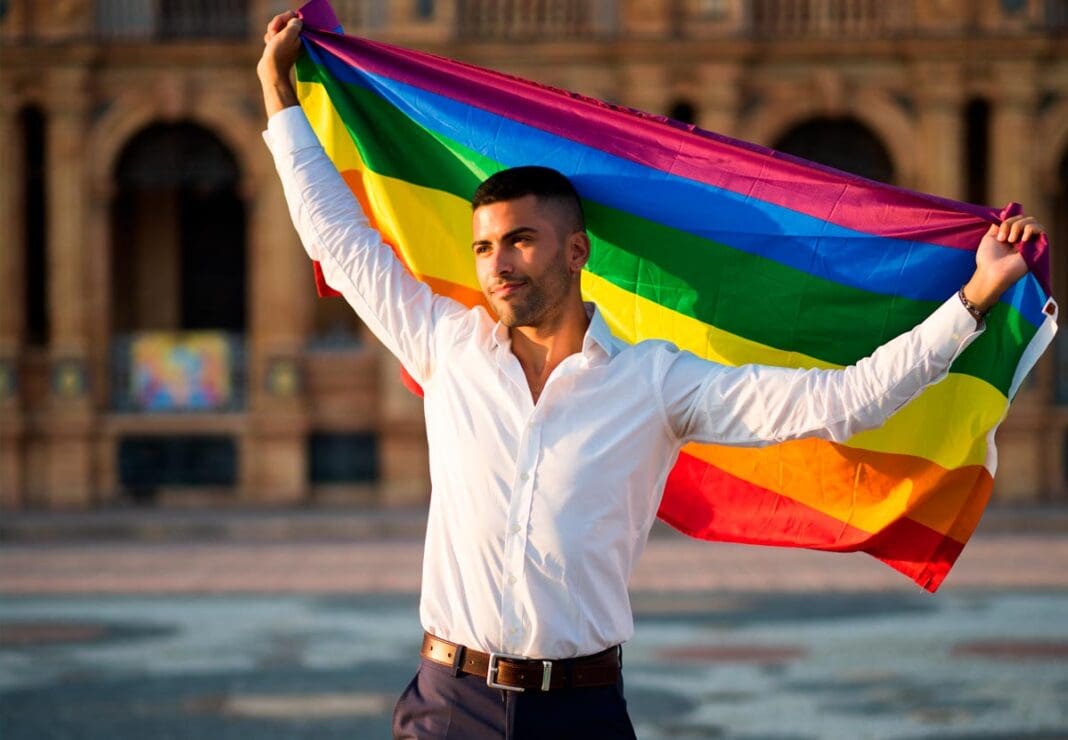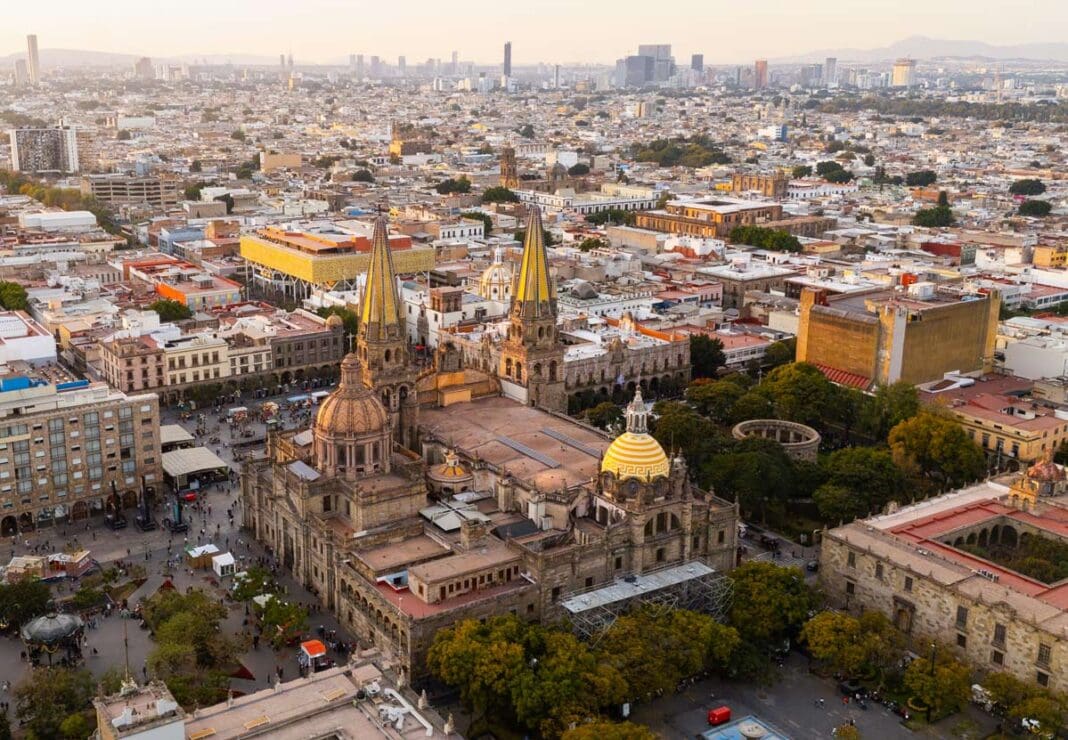



The LGTBIQ+ pride is not limited to large cities. In small cities and towns, where the population is small and social dynamics may be more conservative, the pride celebration takes on unique nuances. We will explore how LGTBIQ+ pride is lived, organized and claimed in these contexts, highlighting both the challenges and victories of local communities.
A Diverse Reality
In many small cities, the LGTBIQ+ community often feels invisible or marginalized. However, this does not mean that it does not exist. In places where residents know each other, personal connections can be both a blessing and a challenge. On the one hand, a sense of community can foster safe spaces; On the other hand, it can generate social pressure and fear of rejection.
The visibility of sexual diversity in these areas may depend largely on local history and culture. In some localities, traditions may be more rigid, while in others there may be an unexpected openness toward acceptance. How does the LGTBIQ+ community navigate in this environment? The answer is not simple, but efforts to organize events and demands are increasingly common.
Pride Organization: From Idea to Action
Organizing pride in small towns is often a collaborative process, where every voice counts. Local groups, often made up of activists and allies, come together to plan activities ranging from parades and rallies to workshops and talks.
In towns such as Almagro or Villanueva de los Infantes, organizing pride may involve collaboration with local institutions, such as town councils or neighborhood associations. This can be a double-edged sword: while it can provide support, it can also lead to compromises that dilute the original message. The question that arises is: to what extent is this type of collaboration effective?
Events and Activities
Small town pride events may include:
- Pride parades: Although more modest than in large cities, these parades are important for visibility.
- Talks and workshops: Educational spaces that promote inclusion and diversity.
- Film screenings: LGTBIQ+ films that invite reflection.
- Concerts and performances: Cultural celebrations that unite the community.
These events not only serve to celebrate, but also to educate and raise awareness among the local population about sexual diversity. However, they often face logistical and security challenges, especially in areas where social tensions can be palpable.
The Fight for Visibility
The fight for visibility in small cities can be a bumpy road. The lack of resources, the scarcity of allies and the fear of reprisals are factors that complicate the work of LGTBIQ+ activists. However, the resilience of these communities is remarkable.
Social media plays a crucial role in promoting events and raising awareness. Platforms like Facebook and Instagram allow local groups to spread information and connect with like-minded people, even in remote locations. Could technology be the key to the expansion of pride in these contexts?
Despite efforts to celebrate pride in small towns, some critics point out that these initiatives can be superficially inclusive. There are fears that the commercialization of pride – such as the sale of products with the rainbow flag – dilutes the message of struggle and demand. Is it possible that, by seeking acceptance, the essence of the LGTBIQ+ movement is lost? This reflection invites us to question the authenticity of the celebrations and their real impact on people’s daily lives.
Despite the challenges, there are inspiring stories that highlight the success of LGTBIQ+ communities in small municipalities. In towns such as Albacete and La Rasa, marches have been carried out that, although less crowded than in large cities, have attracted the attention of local media and have encouraged a change in social perception.
In addition, the support of local artists and public figures has been essential. When a local personality speaks out in favor of pride, the effect can be transformative, encouraging others to join and make themselves visible. Another question arises here: how can we continue to foster inclusion and acceptance in these spaces?

The Importance of Education
Education is key to transforming the mentality of communities. School programs that include content on sexual and gender diversity are essential to creating a more inclusive future. Initiatives like these not only benefit the LGTBIQ+ community, but also enrich society as a whole by promoting respect and coexistence.
LGTBIQ+ pride in small cities is a complex phenomenon that reflects both the fight for acceptance and the celebration of diversity. Despite the challenges, local communities are finding ways to organize and make demands, often in a spirit of collaboration and creativity.
The question that remains is: how can we continue to support these communities in their search for visibility and rights? The answer could lie in a collective commitment to celebrating diversity in every corner of the country, regardless of size.