

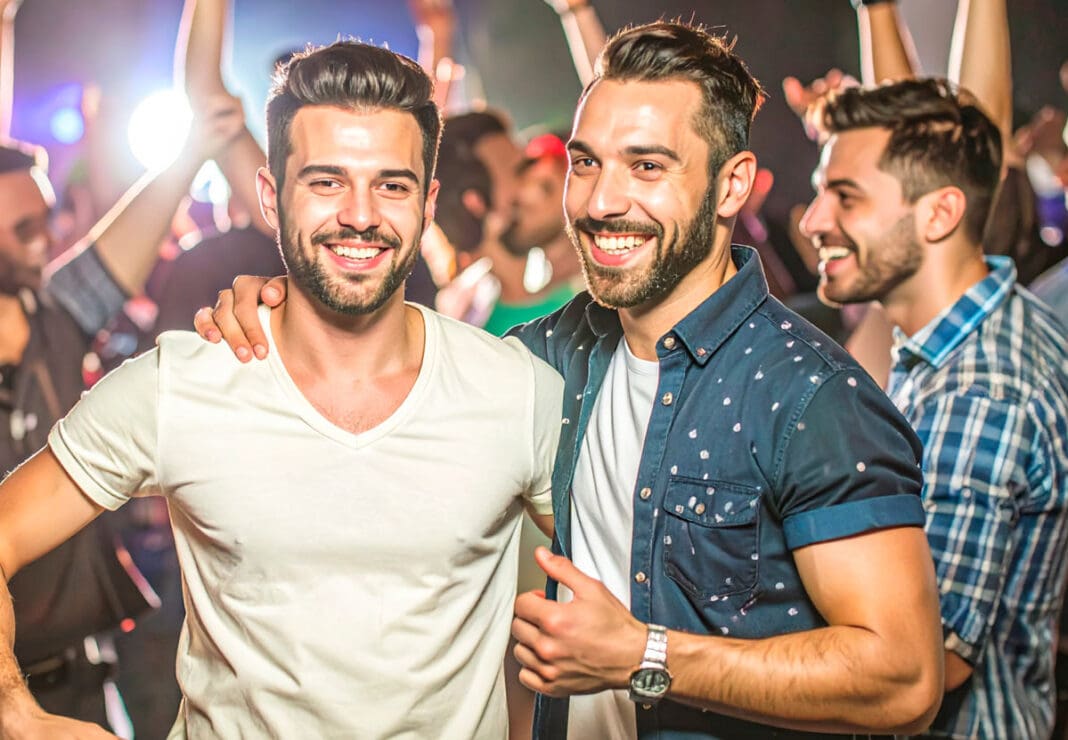

Nightlife in cities is a reflection of the diversity and creativity that characterizes the LGTBIQ+ community. However, not all nighttime spaces offer a safe and welcoming environment. In this article, we will explore the importance of identifying and mapping those bars, clubs and parties where people can express themselves freely, without fear of being judged or attacked.
The Need for Safe Spaces
The search for safe spaces for the LGTBIQ+ community is a constant demand. Since the movement’s inception, visibility and acceptance have been significant challenges. Nighttime spaces are crucial as they provide a platform where people can meet, socialize and celebrate their identity. However, security in these places is essential.
Violence and discrimination in nightclubs are not isolated phenomena. Studies have shown that many LGTBIQ+ people have experienced some form of harassment in bars and clubs. Therefore, it is essential to map those spaces where inclusion and respect are priorities.
What Defines a Safe Space?
A safe space should not only be physically accessible, but also emotionally welcoming. Some of the elements that help define a premises as safe include:
- Non-Discrimination Policies: Venues must have clear policies that prohibit any form of discrimination.
- Staff Training: Training staff on diversity issues and how to handle harassment situations is essential.
- Inclusive Environment: Décor, music and activities should reflect and celebrate diversity.
Additionally, having a security team that acts with respect and professionalism can make a difference in the experience of those who visit these places.
Mapping of Night Spaces
The creation of a map of safe bars, clubs and parties for the LGTBIQ+ community is a necessary step towards a more inclusive nightlife. This mapping can be done through community initiatives, online platforms and mobile applications. Some applications already allow users to rate the safety of spaces and share their experiences.
Reflections on LGTBIQ+ Nightlife
Nightlife is a space of liberation and fun, but it should also be a safe haven. Creating a map of safe spaces not only helps people find places where they can be themselves, but also invites venue owners to reflect on their practices. What steps are you taking to ensure the safety and well-being of your customers?
Despite the growing number of inclusive spaces, it is important to question whether all bars and clubs are really accessible to all identities within the LGTBIQ+ community. There are, for example, criticisms about the commercialization of LGTBIQ+ culture, where some venues focus more on marketing than on creating a truly safe environment. This superficiality can lead certain groups, such as trans or non-binary people, to feel excluded.
The Future of LGTBIQ+ Nightlife
Looking forward, it is critical that the community continue to advocate for safe and accessible spaces. Social media and digital platforms can play a crucial role in raising awareness and promoting places that respect and celebrate diversity. Collaboration between the community and property owners is essential to maintain an open and constructive dialogue.
Nightlife should be a space of celebration and freedom for everyone. By mapping the bars, clubs and parties that truly offer a safe environment, we can help build a stronger, more united community. In the end, each of us has the responsibility to help make our nighttime spaces inclusive and safe, so that all LGTBIQ+ identities can shine without fear or restrictions.