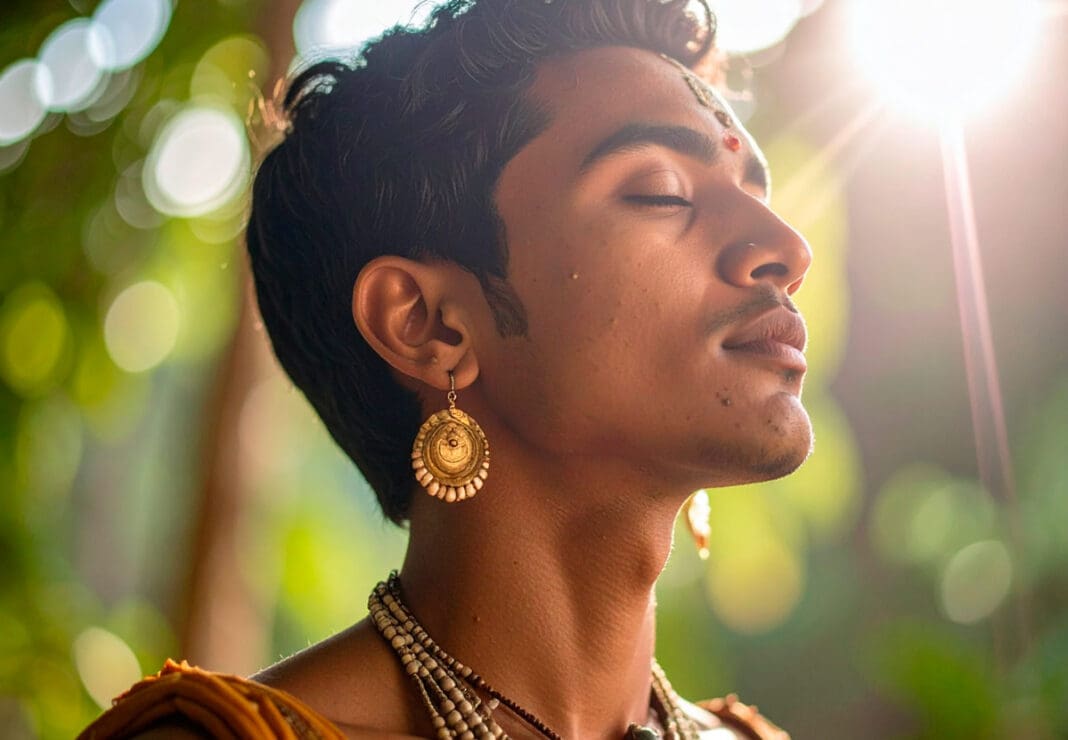
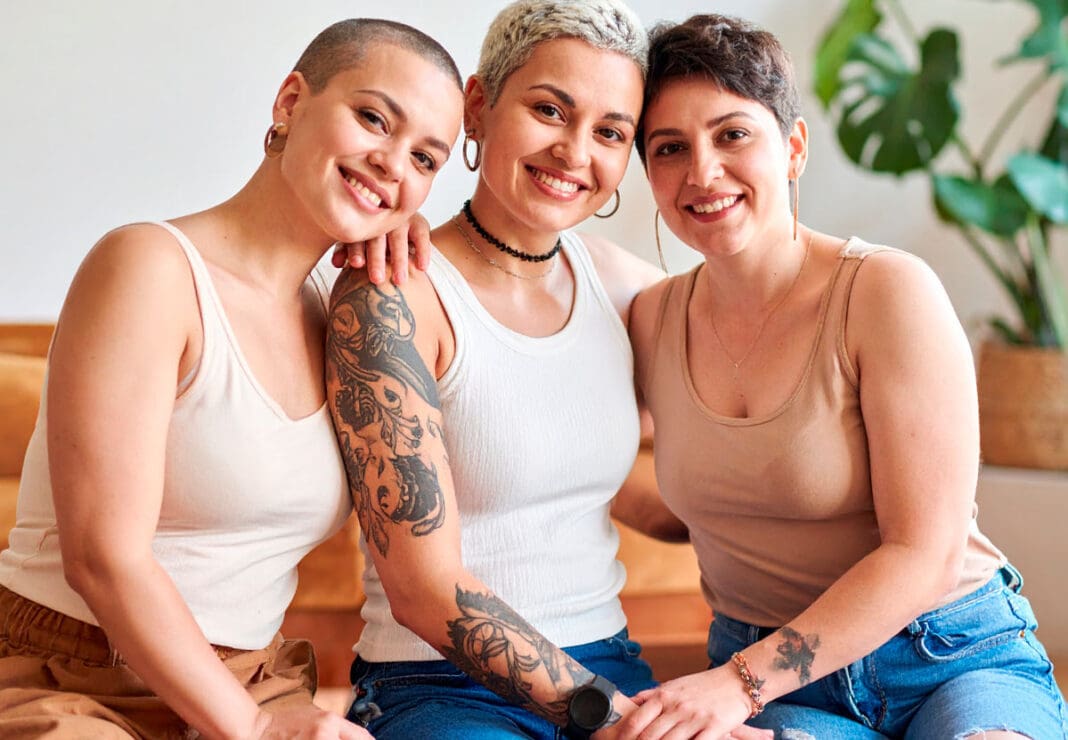
Fashion has long been a reflection of cultural and social norms. However, in recent years, a new trend has begun to challenge these norms, giving voice and shape to non-normative bodies: those that do not conform to hegemonic standards of beauty. From innovative designers to community projects, fashion for trans people, non-binary, uploads overweight and disabled is emerging as a form of resistance and demand. In this article, we will explore how this radical fashion is breaking barriers and creating an inclusive space in the world of clothing.
Hegemonic Aesthetics and its Limitations
Historically, the fashion industry has promoted a very narrow view of what it means to be beautiful. Advertising campaigns, catwalks and magazines have celebrated an ideal that excludes a large part of the population. This has led many people to feel uncomfortable in their bodies, driving a culture of dissatisfaction. But what if fashion could be a vehicle for acceptance and self-love?
Fortunately, designers and brands are beginning to challenge this narrative. Radical fashion focuses on body diversity, offering options for all shapes and sizes. This movement not only seeks representation, but also promotes the idea that every body deserves to be celebrated.
Designers who break the mold
1. **Palomo Spain**
Spanish designer Palomo Spain has been a pioneer in inclusive fashion. With her extravagant and gender-fluid designs, she has blurred the lines between masculine and feminine. Their focus on opulence and beauty challenges traditional norms, creating clothing that allows people to express their identity without restriction.
2. **Sophie de Oliveira Barata**
Artist and designer Sophie de Oliveira Barata has created a fashion line for people with disabilities. His project, The Alternative Limb Project, combines functionality and aesthetics, producing personalized prosthetics that become pieces of art. This not only improves the quality of life of its users, but also challenges the perception of what it means to be “normal.”
3. **DapperQ**
DapperQ is a platform that celebrates queer fashion and non-binary identity. Through her work, she seeks to empower people who do not identify with traditional gender norms. Their collections are a testament that fashion can be a safe space for self-expression, no matter what labels we choose to wear.
Community Projects and Inclusive Fashion
In addition to individual designers, community initiatives that promote inclusive fashion have emerged. Projects such as Fashion Activism in Barcelona have created workshops where people can learn to make clothes adapted to their needs and desires. These types of initiatives not only promote self-sufficiency, but also encourage solidarity and collaboration between different communities.
Collective Creation Spaces
Inclusive fashion fairs, such as the Inclusive Fashion Fair in Madrid, offer a space for emerging and established designers to show their work. These platforms allow non-normative bodies a space in which to be seen and valued, turning fashion into a tool of empowerment.
Fashion as a Form of Resistance
Radical fashion is not just about creating clothes; It is a political act. By challenging traditional norms of beauty and presentation, these initiatives promote a broader conversation about acceptance and diversity. Fashion becomes a form of resistance, where each garment tells a story and each catwalk is a declaration of intentions.
Open Questions
However, is this aesthetic revolution enough? Are we seeing a real change in the industry or simply a whitewashing? These questions are crucial when considering the future of inclusive fashion. The fight for representation and acceptance remains a long and bumpy road.
Despite progress in the representation of non-normative bodies in fashion, there are those who criticize this trend for often being superficial. Some argue that while diversity is celebrated, many brands continue to operate within the same capitalist system that perpetuates exclusion. This raises questions about the authenticity of these initiatives: are they really committed to inclusion or is this just a marketing strategy?
Fashion for non-normative bodies and radical fashion are redefining what it means to be fashionable. This movement not only challenges aesthetic norms, but also promotes acceptance and inclusion. Although much remains to be done, the path towards a more diverse and representative fashion industry is being paved by designers and projects that dare to dream big. The question that remains is: how can we continue to support this change in our own fashion and consumption choices?
Ultimately, fashion has the power to transform not only our appearances, but also our lives. By choosing to support designers who challenge norms and participate in inclusive initiatives, each of us can contribute to a brighter, more diverse future.