


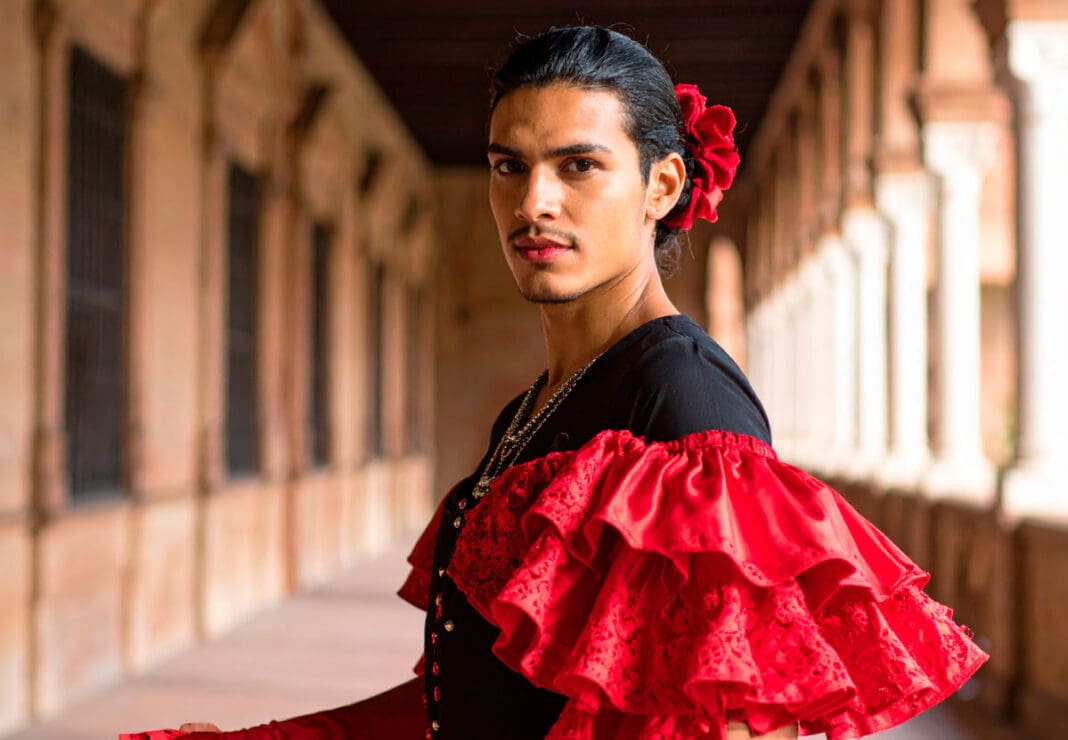
Traditional clothing represents a cultural legacy that has been passed down from generation to generation. However, in recent years, we have witnessed a fascinating phenomenon: the resignification of these garments by queer people.
The connection between culture and clothing
traditional clothing not only has aesthetic value, but is also a vehicle of cultural identity. Each traditional costume tells a story, rooted in traditions, beliefs and values. However, the interpretation of these stories is constantly evolving. The queer community has begun to challenge established norms, using clothing as a form of self-expression and reclamation.
Adaptation and transformation: more than a simple change of look
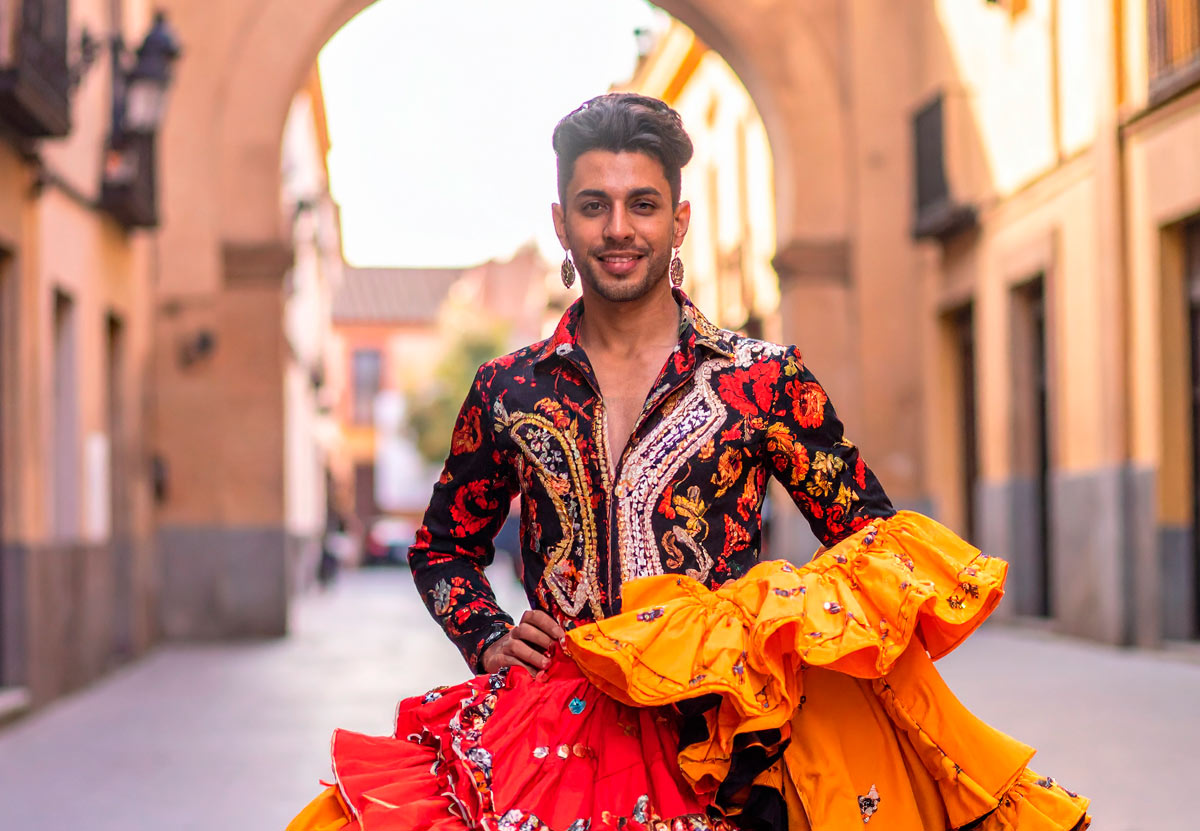
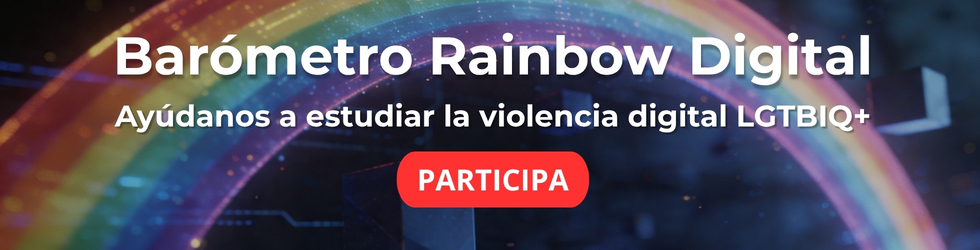
The resignification of traditional clothing by queer people goes beyond a simple aesthetic change. It is a profound process that involves the revaluation of cultural elements. For example, many queer designers are incorporating traditional craft techniques into their creations, fusing the past with the present. This not only revitalizes traditions, but also allows new generations to reconnect with their roots in a way that resonates with their current identity.
Examples of resignification
One of the most visible manifestations of this transformation is found in festivals and celebrations. At events like Pride, it is common to see people reinterpreting typical costumes of their culture. For example, some queer people have adapted traditional Andalusian clothing, such as the flamenco dress, incorporating pop culture elements and vibrant colors that challenge gender norms. This fusion not only celebrates diversity, but also offers a critique of the rigidity of cultural expectations.
Dress as a political act
The way queer people adopt and adapt traditional costumes can be seen as an act of resistance. By challenging gender norms and cultural expectations, they are asserting their right to fully exist. Clothing, then, becomes a means of communication: a clear message that identity is not fixed, but fluid.
Open questions for reflection
However, the question arises: To what extent can the resignification of traditional clothing be considered cultural appropriation? Is it possible that the act of adapting traditional costumes by queer people causes tensions with those who see these traditions as sacred? These questions invite a deeper reflection on respect for cultural roots and freedom of self-expression.
The adaptation of traditional clothing by queer people symbolizes a unique fusion of history and modernity. This phenomenon not only enriches the cultural landscape, but also challenges rigid notions of identity and belonging. As we continue to explore the relationship between clothing and identity, it is essential to foster a space where all voices are heard, and where tradition and innovation can coexist.
Traditional clothing, resignified and transformed, invites us to reflect on who we are and how we present ourselves to the world. Are we ready to embrace this diversity and allow it to flourish in our communities?