


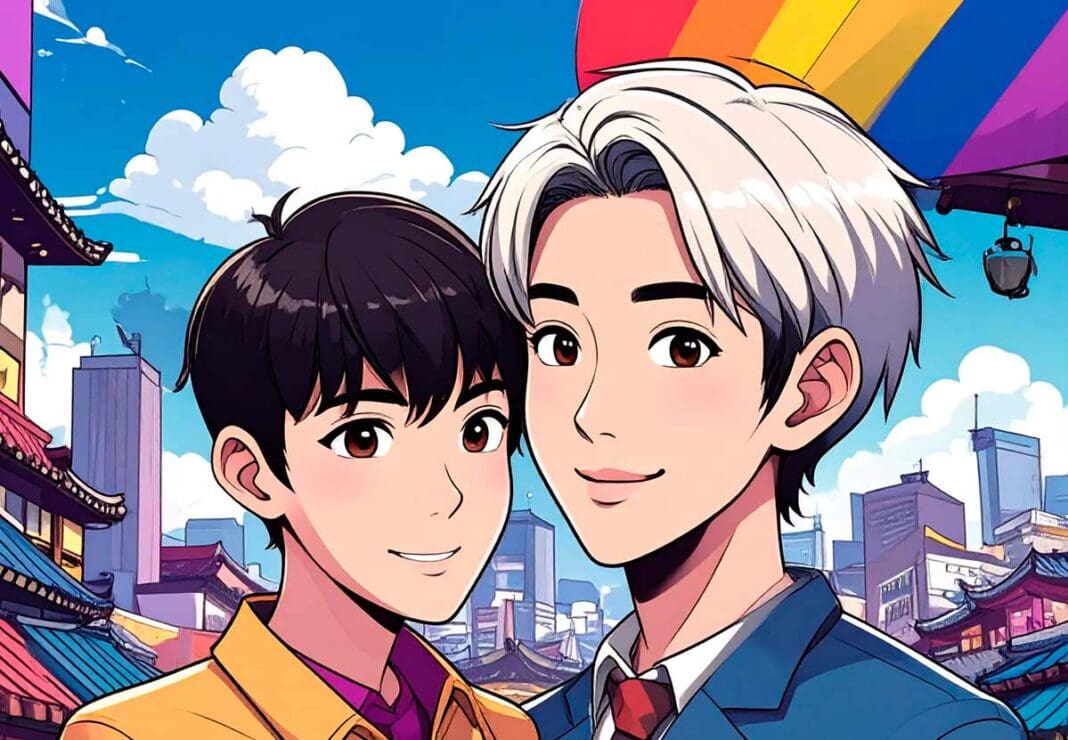
The universe of comics and graphic novels has evolved significantly in recent decades, becoming a medium that not only entertains, but also educates and reflects the diversity of contemporary society. In this context, LGTBIQ+ narratives have gained a significant space, contributing voices and perspectives that enrich the cultural panorama. In this article, we will review the authors, works and publishers that are promoting this diversity in the world of the ninth art.
The Importance of Diversity in Comics
Before delving into specific examples, it is crucial to understand why LGTBIQ+ representation is essential in comics. These stories allow people in the community to see themselves reflected in stories that validate their experiences. At the same time, they offer those who do not belong to this community a window into diverse realities, promoting empathy and understanding.
Featured Authors
The LGTBIQ+ comics scene is populated by talented authors who have known how to capture their experiences and struggles in cartoons. A notable example is Alison Bechdel, whose work “Fun Home” has become a milestone in graphic narrative, addressing her experience as a lesbian woman and her relationship with her father. Another name to mention is Marjorie Liu, who, through “Monstress”, creates a universe rich in diversity, where LGTBIQ+ representation is an integral part of the narrative.
On the other hand, Julietta Colón, with her work “Luz de August”, brings a fresh perspective to Spanish comics, exploring themes of identity and love in the context of the LGTBIQ+ community. Kieron Gillen, known for titles such as “The Wicked + The Divine”, has also been a pioneer in presenting fluid and complex characters, challenging traditional genre norms.
Works That Make a Difference
In terms of works that have had a significant impact, Cassandra Calin’s “The Avant-Guards” stands as a beautiful example of how comics can address themes of same-sex love and friendship in a university setting. For its part, “Check, Please!” by Ngozi Ukazu combines hockey and romance, celebrating LGTBIQ+ culture in a fun and accessible way.
In the field of graphic novels, “Gender Queer” by Maia Kobabe is an autobiographical work that narrates the author’s experiences with her gender identity, becoming essential reading for young people and adults alike. Likewise, “Laura Dean Keeps Breaking Up with Me” by Mariko Tamaki and **Rosemary Valero-O’Connell offers a sensitive look at teenage relationships and sexual identity.
Committed Editorials
The rise of LGTBIQ+ graphic literature is also due to the work of various publishers who have decided to give visibility to these stories. B de Blok, for example, has specialized in publishing comics that address LGTBIQ+ themes, offering a varied catalog that includes everything from works by established authors to new emerging voices.
Ediciones La Cúpula is another publisher that has been a pioneer in the publication of comics with an LGTBIQ+ perspective, standing out for works that challenge established norms and that provide a critical look at society.
Lastly, Astiberri has done a great job publishing graphic novels that address sexual diversity honestly and directly, allowing new narratives to find their space in the market.
Despite the growth of LGTBIQ+ representation, there are those who question whether this diversity is really reflected in all areas of comics. Some voices criticize the commercialization of LGTBIQ+ identities, suggesting that not all works that are labeled “LGTBIQ+” authentically represent the experiences of the community. Are we seeing a real change or just a market trend? The answer may not be so simple, and it is a point that invites deeper reflection.
The path to inclusion in the world of comics and graphic novels is constantly evolving. Through the voices of diverse authors and the work of committed publishers, a positive change is being achieved that makes visible the richness of LGTBIQ+ experiences. However, it is essential to continue questioning, supporting and demanding more authentic representations that reflect the plurality of the community.
The question that remains is: how can we, as readers and consumers, foster an environment where these stories continue to be told and heard? The answer could be in our hands as we choose what to read and support those voices seeking to be heard.