
Spain takes a first step to include a third option in the DNI
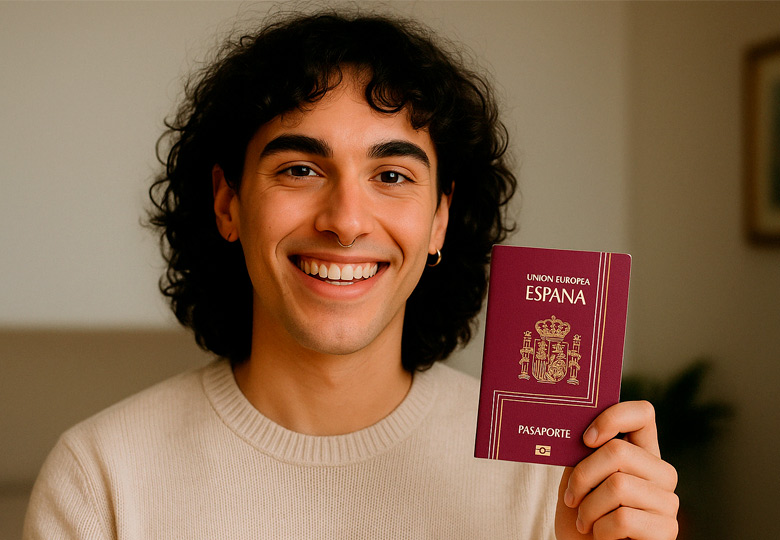
Non-binary people in Spain could be a little closer to seeing their identity legally recognized. The Sumar parliamentary group has registered in Congress a bill that seeks to include a third gender box—different from “man” and “woman”—in official documents such as the DNI or the passport.
Although there is still a long way to go, this political movement marks a key moment in the fight for the rights of non-binary and intersex identities. At Rainbow Magazine we explain what this proposal entails, why it is important and how it compares with what happens in other countries.
What is a non-binary person?
Before we get into it, let’s give some context. Non-binary people are those who do not identify exclusively as men or women. Some feel that their gender identity is between both poles, others that it fluctuates, and some that they simply do not fit into that binary system.
This experience is neither new nor exclusive to the 21st century, but it is still not reflected in the legal frameworks of most countries. In Spain, for example, the gender registration change in the DNI has been possible since 2007, but only within the man/woman binomial.
What does this new law propose?
The bill registered by Sumar proposes two main measures:
-
Include a third gender option in the Civil Registry and, therefore, in documents such as the DNI and the passport. This option could be labeled “X”, “non-binary” or under another formula that respects self-determination.
-
Prohibit non-consensual medical interventions in intersex people, especially during childhood, a historical demand of the groups.
According to the text presented, the intention is to recognize the existence of realities outside of binarism and put an end to the structural violence that many people suffer for not fitting into traditional categories.
An outstanding debt with diversity
Although Spain has been a pioneer in some LGTBIQ+ advances —such as equal marriage in 2005 or the recent Trans Law of 2023—, the truth is that non-binary identities have been left in legal limbo.
The current law recognizes the right to change name and sex in the Civil Registry without the need for medical reports, but only if the change is made within the male/female binomial. That is to say: you can go from “man” to “woman” or vice versa, but you cannot opt for a neutral or non-binary marker.
This exclusion leaves out a significant part of the community, generating situations of dysphoria, invisibility and institutional discrimination. In the words of activists like Mar Cambrollé, “without legal recognition, there are no effective rights.”
How does this affect real life?
Not having official recognition may seem like a bureaucratic detail, but it has a direct impact on the daily lives of non-binary people:

-
Having a DNI with a gender that does not correspond to your identity can expose you to forced outing.
-
It can make it difficult to access health care that respects your identity.
-
It forces them to constantly choose between options that do not represent them (forms, oppositions, insurance, etc.).
-
It contributes to a constant feeling of social disability.
Therefore, having a legal non-binary marker is not an identity whim: it is a matter of human rights.
And what about intersex people?
The proposal also includes an urgent demand: ban non-consensual surgeries on intersex babies. In many hospitals, when a newborn does not clearly fit into binary parameters, irreversible medical decisions are made without waiting for the person to express their identity.
This practice, which has been denounced by organizations such as the UN or Amnesty International, is considered a form of mutilation and structural violence. Spain still does not have clear legislation in this regard, something that the law proposed by Sumar attempts to solve.
What do the parties and the government say?
For now, the text presented does not have confirmed support beyond the proposing group itself. From the PSOE they have shown themselves open to the debate, although with caution. The most conservative opposition has already launched predictable criticism under the argument that it “blurs the concept of gender.”
Meanwhile, the Ministry of Equality has not yet issued a firm position. But what does seem clear is that the debate is here to stay.
Have other countries already done it?
Yes, and they are not few. Some examples:
-
Germany, Argentina and the Netherlands allow you to mark a third option (“diverse” or “X”) in your records.
-
Canada and the United States offer the non-binary gender option in the passport in some states.
-
New Zealand and Australia were pioneers in implementing similar changes.
Spain is late, but there is still time to put itself on the right side of history.
A step, not the goal
LGTBIQ+ groups have celebrated the registration of this law as a symbolic victory, but they are also reminded that legal recognition does not solve all problems. It is just a first step towards a society where non-normative identities do not have to constantly justify themselves.
Meanwhile, the non-binary community continues to resist, making visible and building spaces where they can exist without fear. Because beyond the box on the DNI, what is at stake is the right to live with dignity.
And what do you think? Do you think Spain should legally recognize non-binary gender?