

A brutal crime that shook the country
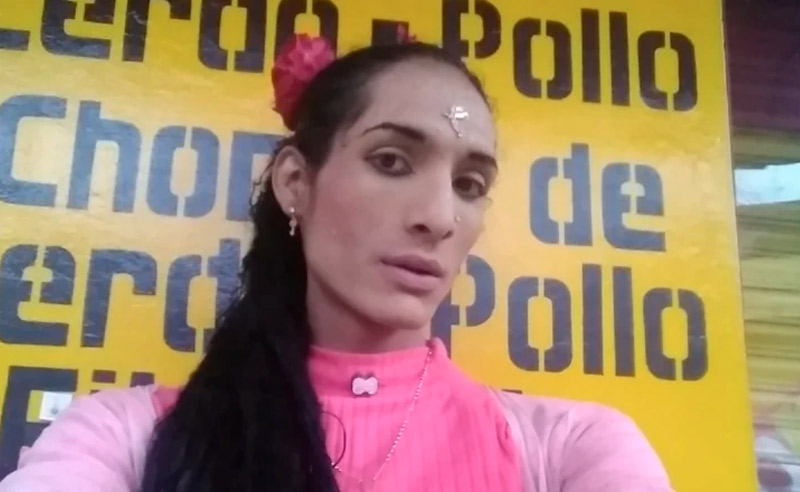
The early morning of April 4 left a deep wound in Colombia. In a stream in the commune of Bello, in Antioquia, Sara Millerey González Borja, a 32-year-old trans woman, was found with fractured limbs, fighting for her life. Although she was rescued alive by firefighters and police after neighbors warned her, she did not survive.
Hours later, he died at a nearby hospital. Her story became a symbol of a reality that is often denied: systematic violence against trans people.
What exactly happened?
According to the information provided by authorities and reports from media such as Reuters, Sara was allegedly attacked, brutally beaten and thrown into the La García ravine. The mayor of Bello, Lorena González Ospina, condemned the crime with strong words: “It was an atrocious act full of hate… We cannot allow transphobia to continue claiming lives in silence.”
So far there are no arrests, but the Attorney General’s Office, together with the National Working Group for the Investigation of Violence Based on Sexual Orientation and/or Gender Identity, is in charge of the case. The municipality offered a reward of 50 million pesos (about $11,600) for those who provide relevant information.
Clues, questions and gaps
Although Bello’s Security Secretary, Rolando Serrano, mentioned that criminal gangs could be involved, a motive has not been confirmed. The only thing clear is that Sara was known and loved in her community. He had not received any prior threats.
So why would someone decide to silence her so cruelly?
A collective response: enough of transphobia
Sara’s murder unleashed a wave of rejection throughout the Colombian country. From the Presidency to social organizations, multiple voices were raised against transphobia. President Gustavo Petro did not hesitate to link the crime with hate ideologies: “What happened in Bello is called fascism, because there are Nazis in Colombia,” he stated on his X account (formerly Twitter).
The Ministry of Equality also joined the condemnation: “Silence kills and we will not be complicit in barbarism,” they said in a statement.
The streets and networks were filled with messages, tributes and demands for justice. For many, Sara’s death was the last straw.
The voice of a mother, the pain of a country
During the funeral, her mother — also called Sara — shared words that still resonate: “She didn’t hurt anyone. She was a being of light… They left me alone, they left me destroyed.”
His words summarize the feelings of an entire community that, in addition to mourning, faces a constant threat to its existence.
An isolated case? Not at all
Organizations such as Caribe Affirmativo and the Action and Support Group for Trans People warn that what happened to Sara is not a one-time event. So far this year, at least 25 LGTBIQ+ people have been murdered in Colombia. Of them, 15 were trans people.

“The narrative of hate advances. The rights are on paper, but in practice, many continue to be targets of violence,” explained Danne Belmont, trans activist.
⚠ A critical pause
In the face of so much public outrage, it is worth asking: why do we continue to see crimes like this? Why does justice take so long to act when it comes to trans victims? Although the political discourse is clear in its rejection, the lack of effective policies, real protection and access to justice for trans people remains a huge gap.
Are we witnessing a sincere commitment on the part of the State or simply emotional reactions to social and media pressure?
How do we continue?
Sara Millerey’s case is a warning. It shows us how far violence can go when everyday hatred is allowed, when transphobic jokes are silenced, or when the pain of others is ignored.
The fight does not end with a tweet of support. It requires action, education, strong laws and, above all, humanity.