
Madrid, the capital of Spain, has always been a reference in the fight for LGTBIQ+ rights and, in 2025, it continues to be a key point for the queer community. Over the last few decades, the city has evolved enormously, going from being a space of clandestinity and struggle to becoming a place of visibility, expression and celebrations that have marked a milestone in queer culture. But what does it mean to be part of this culture in Madrid in 2025? What changes, advances and challenges does this community face today?
The Visibility and Expansion of the Queer Community
In 2025, Madrid is presented as an inclusive, vibrant city full of initiatives that celebrate gender and sexuality diversity. The pride that has historically represented the LGTBIQ+ community has become a global movement that not only advocates for equality, but also gives space to queer identities beyond traditional labels. The word “queer” has gone from a marginal label to a broader concept that encompasses all people whose gender identity or sexuality does not conform to established norms.
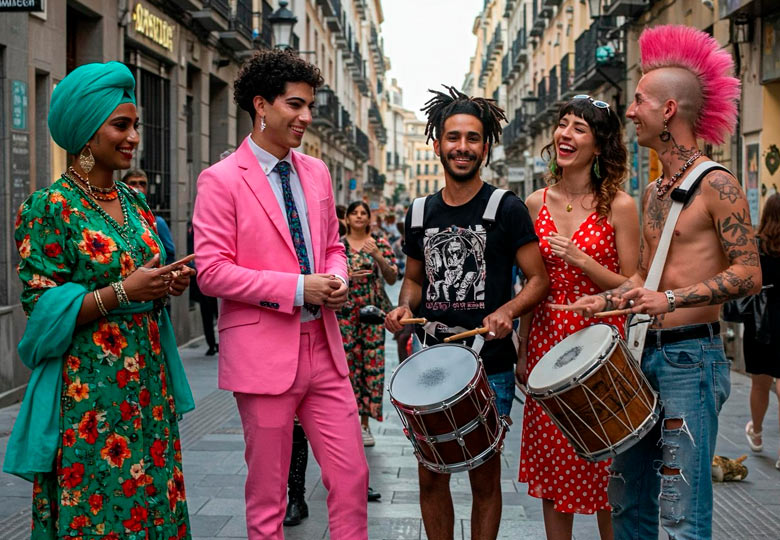
In Madrid, the Chueca neighborhood, historical symbol of the LGTBIQ+ movement, continues to be the nerve center of this culture. Every corner of Chueca is witness to an amalgamation of art, music, fashion and cultural proposals that break with conventional molds. Terraces, bars, clubs and events of all kinds have become a safe space for those looking for a place to feel free, without judgment, and express their identity without fear.
Of course, Madrid Pride remains the biggest event of the year, but beyond the summer festivities, the queer community extends across the calendar with a variety of activities: from queer art exhibitions to concerts, talks and workshops on trans, non-binary, and other diverse gender identities.
Queer Art and Culture: New Expressions
One of the most fascinating aspects of queer culture in Madrid is its contribution to art and culture. Increasingly, art galleries, theaters and alternative spaces have opened their doors to queer expressions. In 2025, queer artists, both emerging and established, will find the perfect terrain in Madrid to develop their creativity.
Queer cinema continues to grow, with an increasingly rich offering at festivals that give visibility to the works of directors and filmmakers who address LGTBIQ+ issues in an honest and risky way. Theatrical productions that explore queer realities, from the most experimental works to large commercial productions, continue to capture the attention of audiences and create important dialogues about identity and love in all their forms.
Fashion: Style and Identity
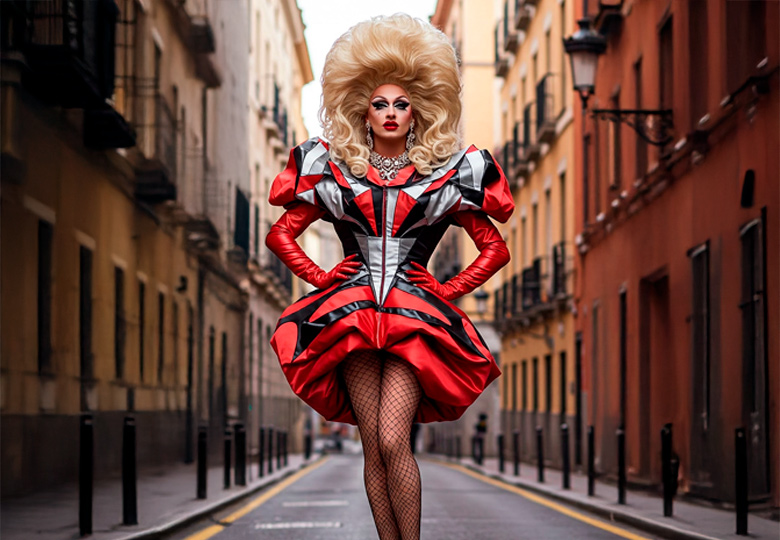
Madrid is also a reference center for queer fashion. From the catwalk to the street, the city has become a showcase of styles, where freedom of expression is experienced in a way that is as colorful as it is vibrant. In 2025, queer fashion moves away from traditional conventions, challenging rigid notions about masculinity and femininity.
Queer designers have found in Madrid a platform where fashion is a tool to express identity and challenge social expectations. Brands like “Pride Fashion”, “Queer Street” and “Luz” are gaining more and more followers, promoting an inclusive aesthetic that plays with genders, silhouettes and colors, without fear of crossing boundaries.
Queer people in Madrid no longer feel that they have to fit into conventional gender stereotypes, but instead show themselves as they are, adopting styles that reflect their diversity. Makeup, hair, and clothing become a personal art form, unrestricted by what “should be.”
Challenges and Critical Perspectives
Despite the progress, not everything is perfect in Madrid’s queer culture. While the city is a beacon of inclusion, it cannot be denied that there are still challenges that the community must face. Discrimination by more conservative sectors or the invisibility of certain identities within the LGTBIQ+ movement itself are some of the problems that continue to be relevant.
The progress of politics and society in terms of acceptance of the queer community is evident, but to what extent is the integration being genuine? The increase in visibility in the media and in Pride celebrations has led some to question whether real visibility is being accompanied by a profound change of mentality in Madrid society. Is the visibility of queer identities a symbol of real progress or a strategy to “commercialize” diversity without confronting the real problems of discrimination?
The commercialization of Pride, the inclusion of some queer identities but not others, and the limited access to health, education and employment services for trans or non-binary people are some of the points in which Madrid, despite its reputation for inclusiveness, still needs to improve.
The Future of Queer Culture in Madrid
Looking to the future, it is interesting to reflect on how queer culture will continue to evolve in Madrid. Will the new generations of queer people in Madrid continue to take control of their narrative and transform the city into an even more inclusive place, or will they fall into the trap of commercialization and forgetting the most radical and transformative aspects of their identity?
The next few years will be crucial to ensure that the diversity of the queer community continues to be genuinely visible. The key will be to continue creating safe spaces, to commit to authentic representation in the media, and to maintain the focus on the human rights of all people, especially those most vulnerable within the community.
Madrid, in 2025, continues to be a reference for the queer community, a place of expression, art, visibility and struggle. However, we must not forget that, although great progress has been made, challenges persist. The city’s queer culture continues to evolve, but it is essential that inclusion goes beyond the surface and that fights for fundamental rights are not forgotten along the way. Madrid is a diverse city, yes, but it will be even more so when all voices within the queer community are heard and respected equally.