
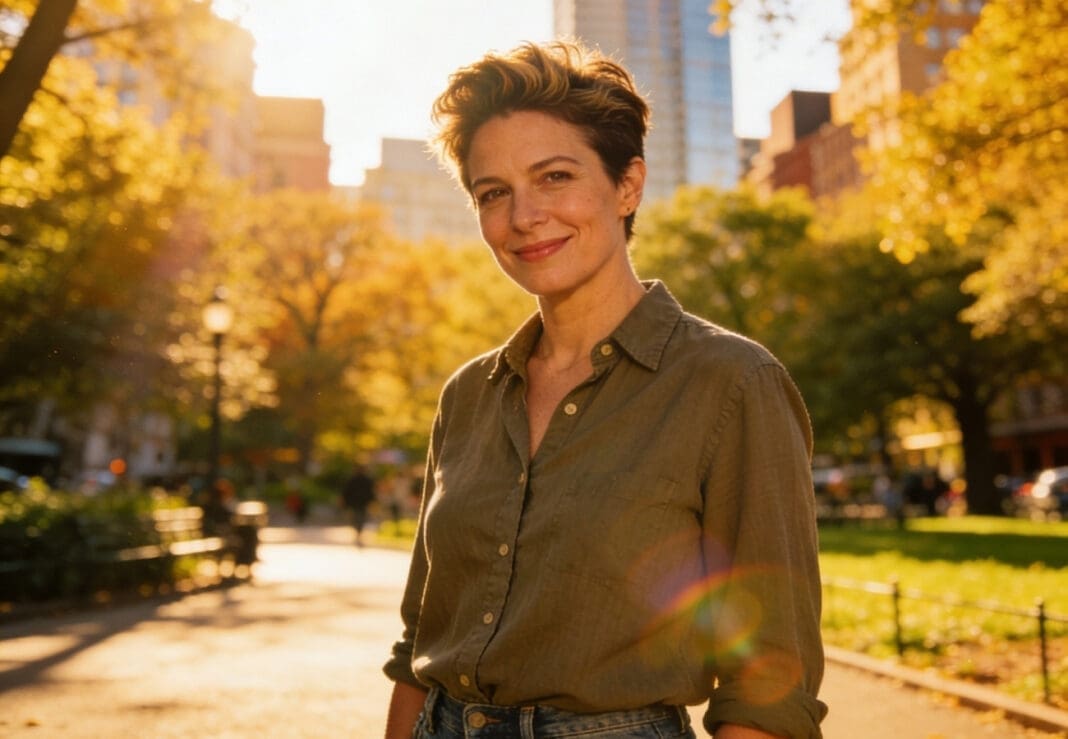
- Spain is experiencing an explosion of lesbian culture with the Fulanita Fest and premieres like Playing the Field, but specific loneliness remains taboo.
- Lesbian women face a double invisibility: social sexism and “erasure” within a historically masculinized LGTBIQ+ collective.
- The Orlander organization claims safe spaces of real care: “Visibility is being seen; well-being is being cared for.”
Today the streets and networks are dyed with the colors of the lesbian flag. We celebrate an anniversary that was born in Spain in 2008 and that this year comes at a moment of unprecedented “cultural density”: from the fan phenomenon in Madrid with the protagonists of The L Word, to the LGTBI Film Festival of Asturias. However, on this Lesbian Visibility Day 2026, an uncomfortable question arises: are we equally cared for and represented?
The double barrier: Lesbophobia and internal loneliness
Despite the progress on the screens, The emotional well-being of lesbian women continues to be a pending issue. The collective carries a double backpack: gender inequality and a lesbophobia that oscillates between hypersexualization and identity erasure. According to the State of Hate 2026 report, lesbians are the least likely to report attacks, a clear symptom of the lack of protection they still feel.
Even within the LGTBIQ+ movement itself, many women report feeling “on the margins.” Entertainment venues, events and narratives often revolve around the gay male experience, generating a specific loneliness: that of being at home, but not feeling named. “A community that does not listen to all its voices is not a community, it is a club”, states Fabri Orlandi, founder of Orlander, bluntly.
From “see” to “accompany”
For Orlander, who has been building spaces for comprehensive well-being since 2018 through self-esteem retreats and healthy leisure, visibility is only the first step. Her community of more than 1,500 people at the Orlander Club seeks to be that refuge where lesbian women do not have to “educate” or “justify themselves”, but simply belong.
On this Lesbian Visibility Day 2026, the demand is clear: inclusion is not measured only by how many lesbian series there are on Netflix, but by how many safe spaces there are to share life when the cameras are turned off. Because the visibility that truly transforms is what is felt in a sincere conversation, in an authentic bond and in the certainty that, in this group, there is no one left over.