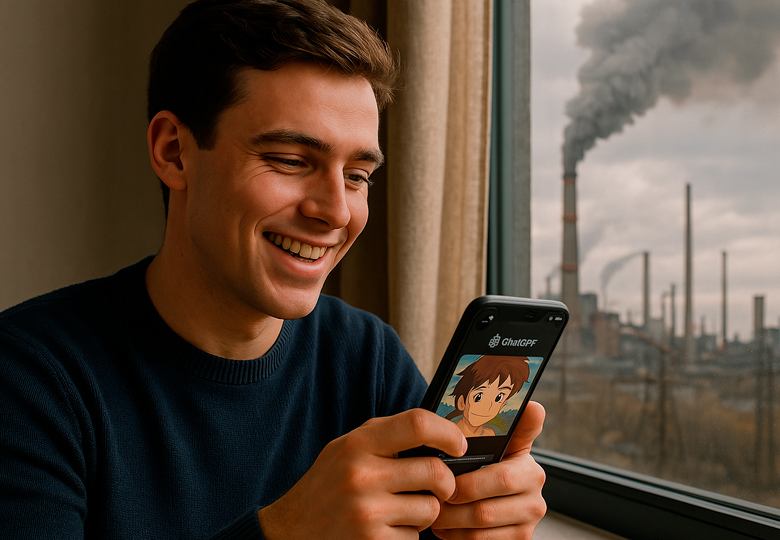

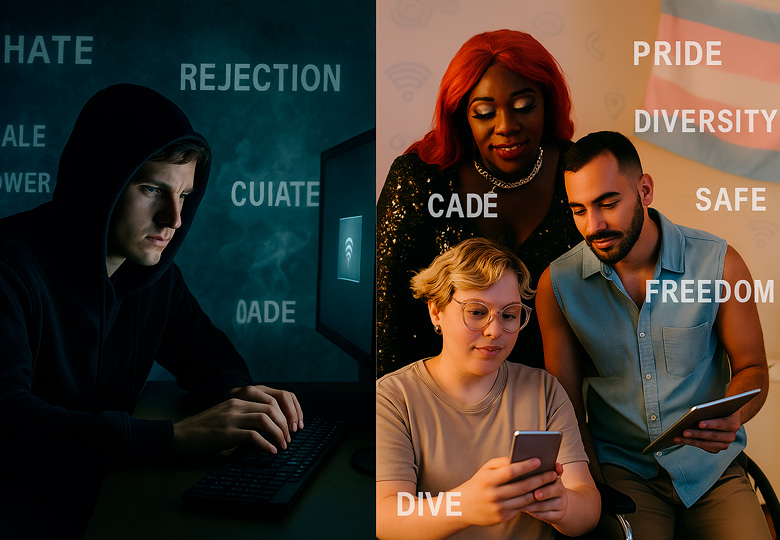
The word incel comes from the contraction of involuntary celibate (involuntary celibate), and refers to people—mostly heterosexual men—who define themselves as incapable of having sexual or emotional relationships despite wanting to. Although this statement may seem harmless or even give rise to empathy, the reality behind this movement is much darker. In recent years, the incel subculture has gained notoriety for being linked to misogynistic speech, violent acts, and digital communities in which hate spreads like wildfire. But what relationship does all this have with the LGTBIQ+ community?
The core of incel ideology: control, frustration and symbolic violence
To understand the link between the incel world and LGTBIQ+ people, it is first necessary to understand its internal logic. In its most radical form, incel ideology is based on a deeply patriarchal worldview: women are considered responsible for male rejection, and are reduced to sexual objects that “should” be available. This narrative, far from being marginal, is fed and reproduced in forums, social networks and channels where authentic echo chambers are created that validate frustration and promote conspiracy theories about feminism, the “moral decadence” of the West, and—of course—about LGTBIQ+ people.
The incel community shares many ideas with other currents of digital extremism, such as the manosphere, the redpillers, and certain sectors of the alt-right. In this ecosystem, everything that moves away from the cisheterosexual norm is seen as a threat: feminism, dissident identities, and any form of questioning traditional male power.
Why does it affect the LGTBIQ+ community?
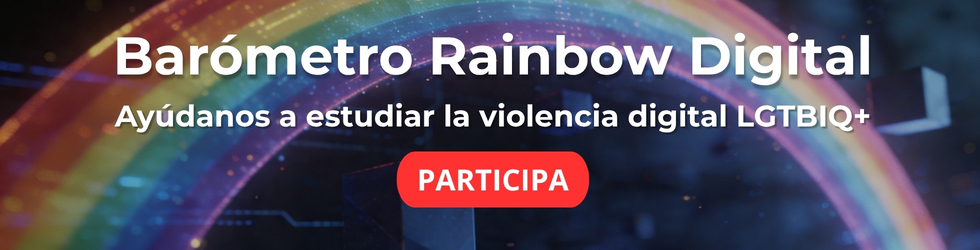
Although at first glance it may seem that incels are focused solely on their heterosexual frustrations, the truth is that the hatred they promote branches out towards any identity that challenges the classic structures of gender and sexuality. From forums like 4chan or Reddit (before their partial bans) to channels on Telegram and less moderate platforms, discourse against LGTBIQ+ people is very present.
We are accused of “corrupting” youth, of “confusing society” or of destroying traditional roles. For many incels, the mere existence of non-binary identities, trans men, or queer people is seen as a direct attack on their wounded manhood. Hatred towards the group is presented as a natural extension of their misogyny: if they hate women for not desiring them, they hate even more those who do not fit into their binary scheme.
The echo of hate on social networks
The Internet did not invent hate, but it did amplify it. Anonymity, virality and the lack of moderation in certain spaces allow extremist discourses to flourish. On platforms such as X (formerly Twitter), TikTok or even YouTube, incel content is often disguised as humor or social criticism, attracting vulnerable young people. And when someone from the LGTBIQ+ collective becomes publicly visible—especially if they are racialized, trans, or with a non-normative gender expression—they soon become the target of orchestrated attacks.
This phenomenon is exacerbated by algorithms that reward controversy. If an offensive video generates thousands of comments and shares, the system will push it even further. In this way, hate becomes a spectacle and the suffering of our comrades becomes entertainment for the masses.
What can we do?
Combating incel discourse from the roots involves acting on several fronts:
-
Comprehensive emotional and sexual education: we cannot continue forming generations that see desire as a currency. Talking about consent, empathy and emotional diversity is essential.
-
Effective content moderation: digital platforms have a direct responsibility in stopping the spread of these discourses.
- Advertisement - -
Emotional support and safe spaces: both for cishetero young people who may feel alone, and for LGTBIQ+ people who suffer online violence.
-
Promote positive references and diverse representations: make visible stories outside of binarism, show healthy queer affections and models of non-toxic masculinity.
- Publicidad-
It is not about censoring, but about caring. To build a more ethical digital culture, where dissent does not mean destruction, and where a person’s pain does not become a viral joke.
A critical vision: victimization or polarization?
By talking about incels as a threat, we run the risk of oversimplifying. Not all those who identify with that label are radicalized, and it is true that at the base of the phenomenon there is a real wound: loneliness, social pressure, the impossibility of meeting unattainable ideals of beauty or sexual success. The question is: how do we channel that frustration without turning it into hate? What role does the system that produces this violence play? Can we combat incel discourse without falling into caricature or polarization?
This reflection does not seek to justify, but rather to invite us to see the complete picture. Sometimes, the enemy is not a specific person, but the structure that teaches us to hate ourselves for not fitting in.
A safer queer future
As a community, we have the responsibility not to ignore what is happening on other margins. Although it may seem that incels are very far from our realities, their speeches filter into general culture, in memes, in passing comments, in political speeches that want to “protect children” by banning books or trans people. That’s why, more than ever, we need allies. We need support networks, responsible media and references who talk about diversity without fear.
Talking about incel culture is not fueling hatred, it is pointing it out. It is understanding that in the fight for our rights we also have to protect our digital spaces. And that no one, absolutely no one, should feel less for not fitting into a mold that was never designed for everyone.