


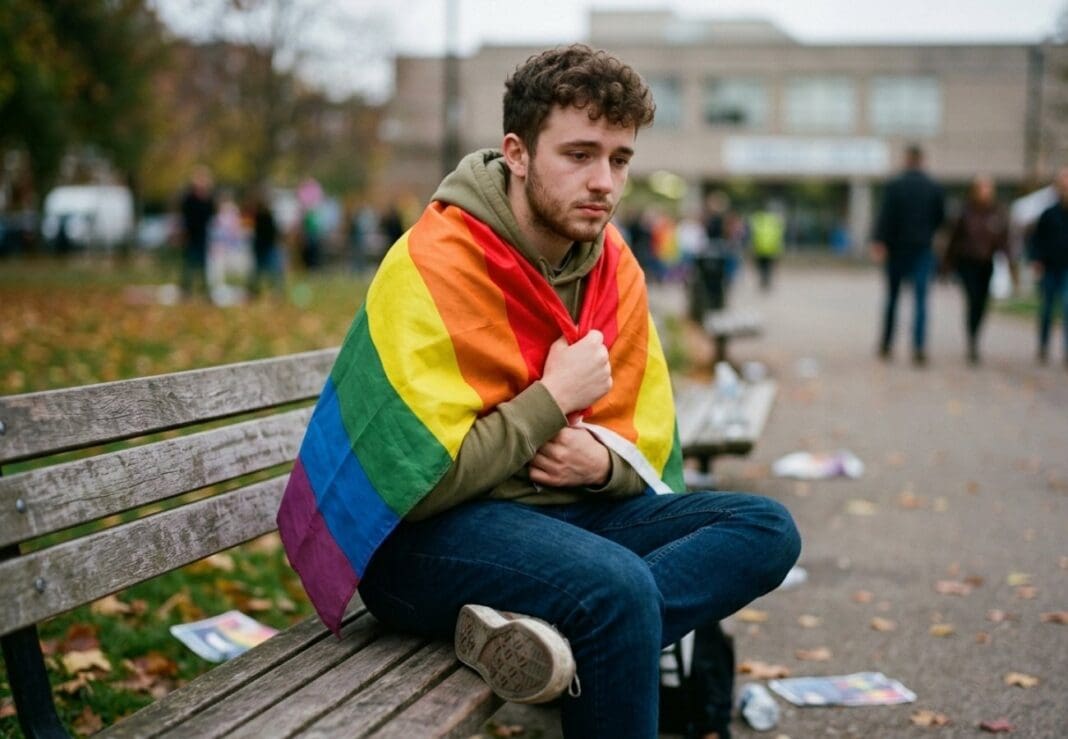

- A study by FELGTBI+ and the 40dB agency reveals that 65% of LGTBI people perceive a real risk to their social achievements.
- Women in the group are the most pessimistic: 68% believe that an ultra-conservative government would reverse their legal protections.
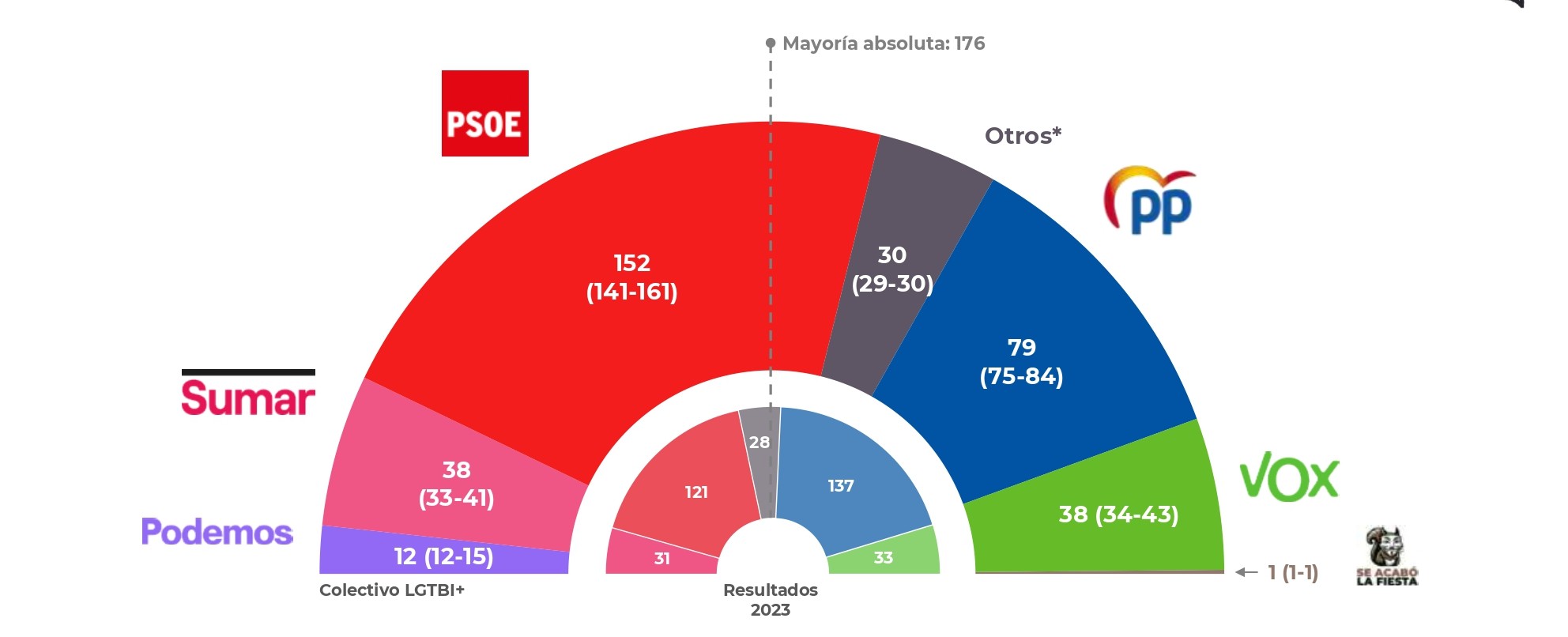
- If only the LGTBI community voted, the progressive bloc would obtain an overwhelming absolute majority of 202 seats.
The political panorama of the LGTBI Vote 2026 is marked by uncertainty and institutional fear. According to the latest data presented this Monday, March 16, by the LGTBI+ State Federation (FELGTBI+) and the consulting firm 40dB, the vast majority of the group considers that their basic rights are in danger due to the possible rise of an ultra-conservative government in the next elections.
Fear as a driver of political mobilization
The report details that the feeling of vulnerability is transversal, but is exacerbated in certain profiles. While 65% of the community in general fear setbacks, this figure rises to 68% in the case of LGTBI women. The perception of risk is not unfounded, but rather responds to hate speech that has permeated the public sphere and threatens key equality and diversity laws.
This concern is transforming voting intentions into a self-defense tool. According to the FELGTBI+, the mobilization is maximum due to the fear of losing protection in health, labor and physical security areas. The group not only votes for economic management, but for the survival of their dignity and the legal recognition of their families and realities.
An LGTBI Congress: 202 seats for progress
The electoral projection data are revealing. If the result of the general elections depended exclusively on the LGTBI Vote 2026, the Congress of Deputies would have a radically different configuration than the current one. The progressive bloc would reach 202 seats, far exceeding the absolute majority necessary to govern and protect social rights.
The study points out that 53.8% of the group’s voters opt for left-wing or progressive parties, compared to a very minority presence of conservative options. This trend shows that the group identifies progressive forces as the only guarantors of the Trans Law and LGTBI, as well as other regulations protecting against discrimination.
Women and trans people: the most vulnerable
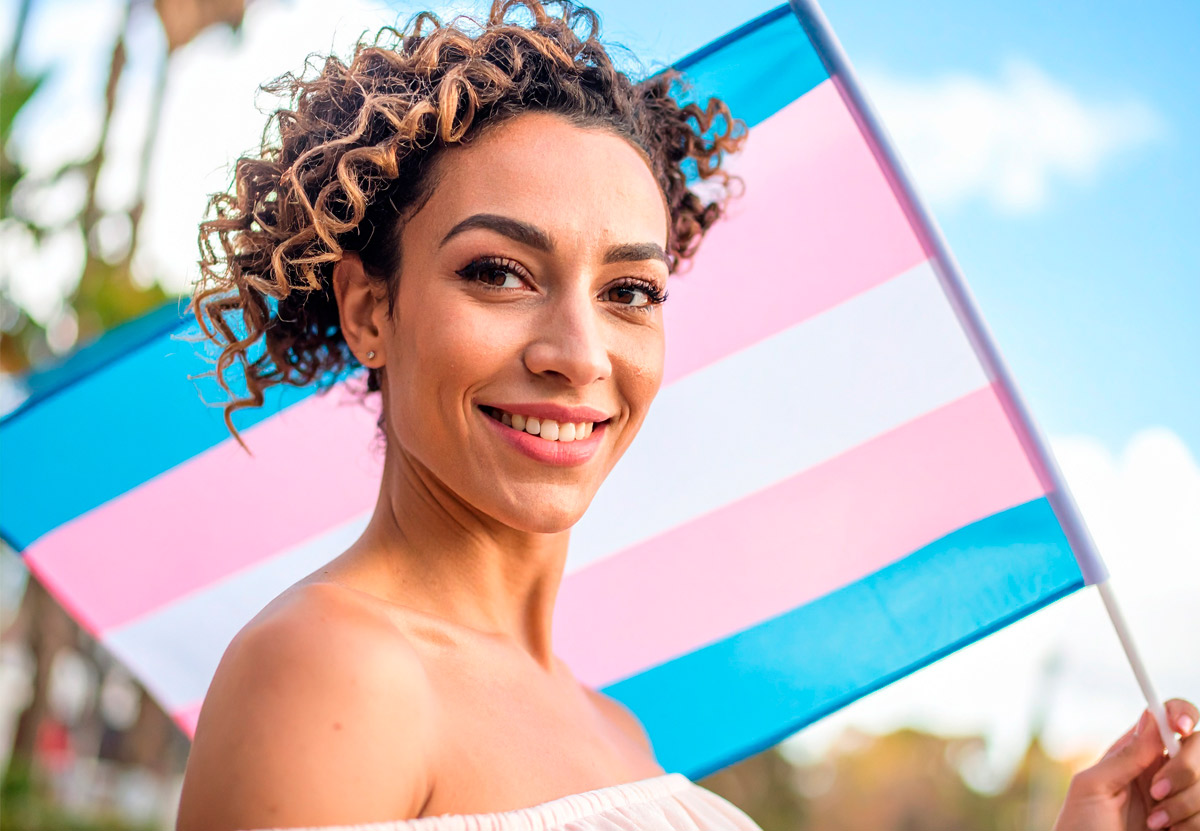
Intersectionality plays a fundamental role in this current analysis. The report highlights that trans people and bisexual and lesbian women report higher levels of anxiety about the possibility of reproductive health laws or gender transition protocols being repealed. For these groups, the LGTBI Vote 2026 is not an option, but rather a need for legal protection.
The FELGTBI+ insists that these figures should serve as a warning to navigators for all political parties. The community is not only large, but highly informed and mobilized. The protection of human rights cannot be left to the discretion of pacts with forces that question the very existence of sexual and gender diversity in Spain.