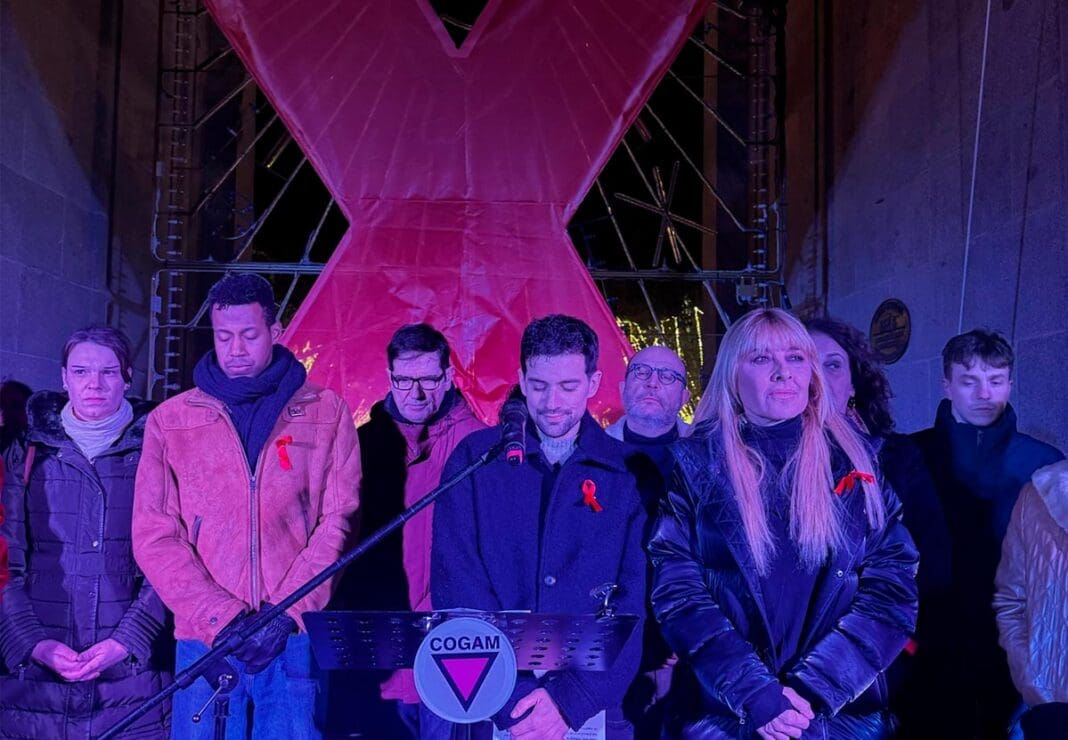


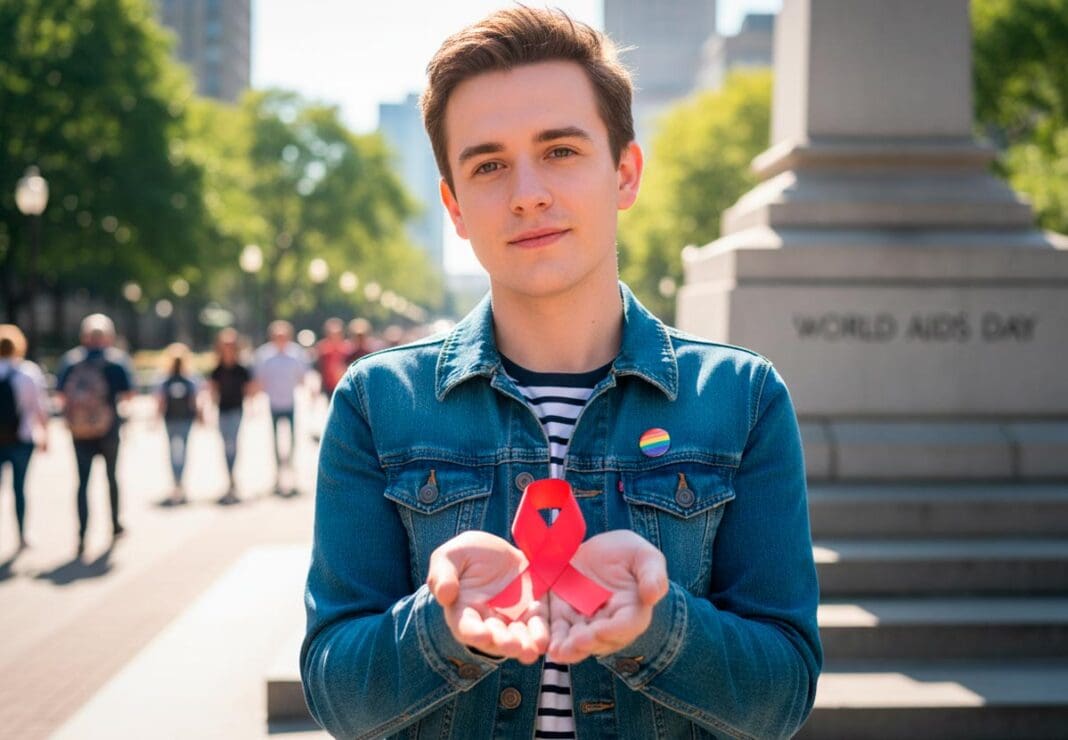
Every December 1, the world dresses in red to commemorate World AIDS Day. But for us, the LGTBIQ+ community, this date is not a simple anniversary. It is a deep scar on our history, a bittersweet reminder of a plague that hit us head-on and that, despite miraculous progress, is not over yet. It is a day to remember those we lost, yes, but above all, it is a day to wake up and realize that the fight still demands our loudest and most forceful voice.
The Legacy that Shapes Us
We cannot talk about HIV/AIDS without talking about the institutional negligence, moral panic and stigma that accompanied its first outbreaks. Those who lived through that time, our elders, had years, dreams and, sometimes, dignity taken from them. The slow response and structural homophobia turned a health crisis into a social massacre, stigmatizing an entire generation and, by extension, our entire LGTBIQ+ community.
Today, thanks to science, HIV infection is no longer a sentence. Antiretroviral therapies have transformed the prognosis: a person with HIV under effective treatment (undetectable) cannot transmit the virus (Undetectable = Untransmittable, or I=I). This is a triumph that we celebrate with tears of gratitude. However, this knowledge has not permeated the entire society. Stigma continues to be our worst enemy.
The Pillars of Our Current Struggle
Our agenda as an LGTBIQ+ community must be clear and non-negotiable. Prevention and treatment are essential, but so are education and the complete abolition of prejudice.
- Access and Education: We must guarantee that tools such as PrEP (Pre-Exposure Prophylaxis) are accessible, visible and standardized for everyone who needs them. Comprehensive sexual education, free of prejudice, is the first line of defense.
- Breaking down the Stigma: Fear of HIV feeds on ignorance. We need to tell our stories, humanize the experience and banish myths. Living a full life, loving and having sex is completely possible with HIV.
- Active Memory: Honoring memory is not just putting up a red ribbon, it is taking over. It is recognizing that every right we enjoy today, every advance in sexual health, was achieved by those who fought during the AIDS crisis.
We live in the information age, of scientific advances that border on science fiction, but inequality continues to make the difference between life and death in many parts of the world.
I ask you, reader, reader, reader: Are we doing enough to dismantle stigma within our own social bubbles? Are we so comfortable with the concept of I=I that we have let our guard down in the fight for empathy? Have we transformed the memory of the AIDS crisis into an everyday political action, or has it remained only an annual memory?
December 1st is not an end, it is a turning point. It is the day to reaffirm that no one should feel alone, ashamed or condemned for their condition. Our point of view is this: the next generation must inherit a world where the fight against HIV is not against the virus, but against discrimination. And that work begins today, in every conversation, in every act of information, in every hug without fear.