
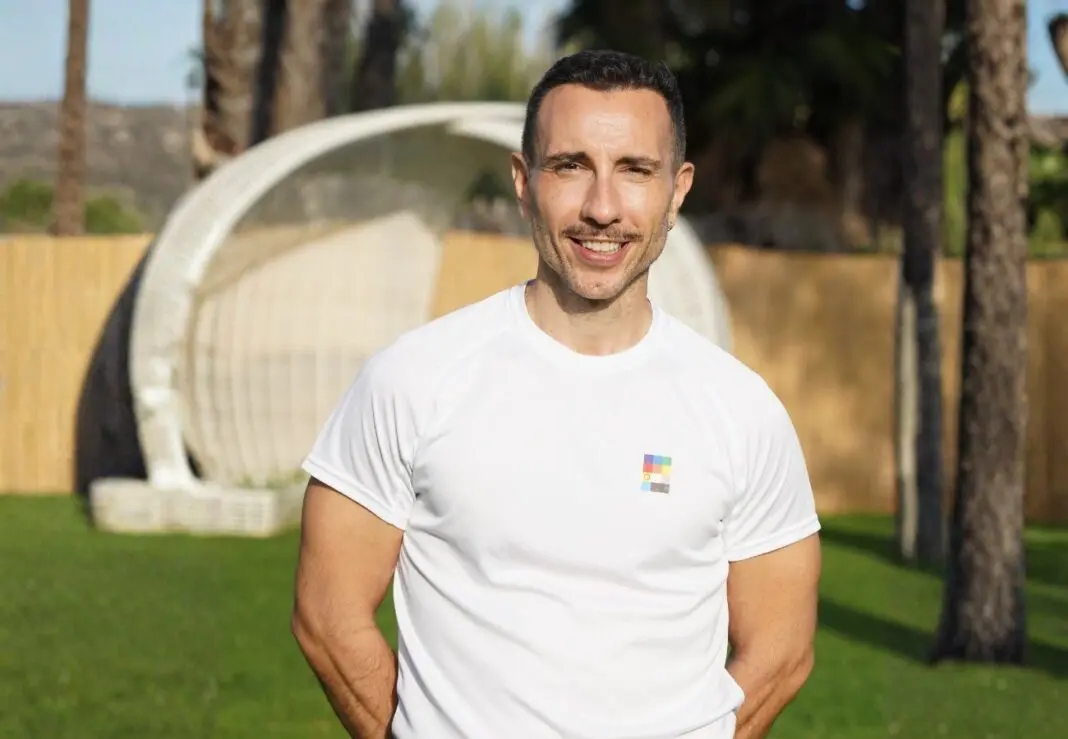

The management of free time within the lgtbiq+ community is experiencing an unprecedented structural change, and this Fabri Orlandi, founder of Orlander which delves into the reasons for this social phenomenon. The creator of the Orlander project has managed to consolidate a human network that already brings together more than 1,500 people in the main Spanish cities. Compared to traditional socialization models systematically associated with consumption and nighttime environments, this platform proposes an alternative based on personal growth, sports activity and direct contact with nature.
Throughout this interview, Orlander’s leader outlines with complete clarity the emotional and community challenges that gay men face in the face of the current crisis of digital loneliness. For Orlandi, dating apps offer immediate validation but isolate the individual from their real environment. Through a methodology based on comprehensive well-being and physical presence without screens in between, the founder details how it is possible to build healthy, adult bonds free from the armor of posturing. Below, we share the full conversation with a well-being activist who has shown that vulnerability and mutual care are the most powerful tools to transform the social fabric of our group.
Rainbow Magazine: Fabri, Orlander has gone from being an idea to a community with more than 1,500 people. If you had to look back, what was that exact moment or personal need that pushed you to create a leisure space so different from what existed?
The truth is that I put it together because I needed it. For years my social life as a gay man revolved around the usual: going out, apps, the gym. I had a calendar full of contacts and almost no real links.
The exact moment was a silly night, surrounded by people, feeling alone. That’s when I realized that this wasn’t just happening to me. I started getting a few people together to do something different, with no other intention than to see each other in the light of day. The rest came later.
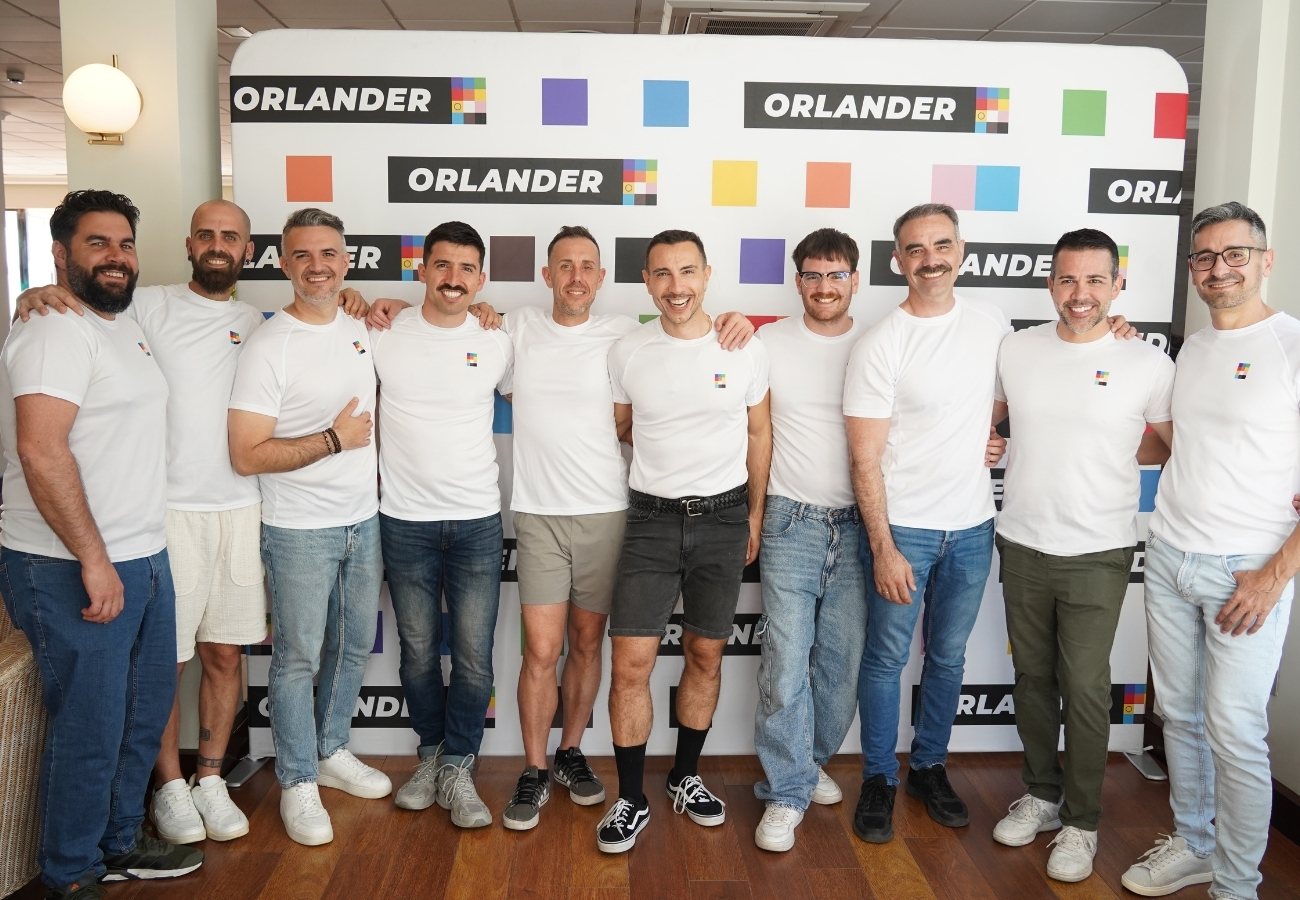
Rainbow Magazine: Historically, LGTBIQ+ leisure has been closely linked to the night and consumption. Orlander is committed to retreats, nature and “presence”. Do you think that the community was orphaned of this type of spaces for slower and more conscious connection?
Yes, quite a bit. And be careful, I have nothing against the night, it has given me great moments and it has its place. The problem is that for a long time it was almost the only thing.
The next day was missing. There was a lack of a place where you could meet without alcohol involved, without acting, without everything being about flirting or pretending. I know many guys who reach 35 or 40 and feel that the only “home” they offer them is still the nightclub. Orlander was born a bit as a response to that.
Rainbow Magazine: You started very focused on sports and training, but now Orlander includes coaching, nutrition, cultural routes and even excursions along the Camino de Santiago. Is this evolution a response to what the kids ask of you or is it your personal vision of what ‘comprehensive well-being’ means?
Both things, I’ll be honest with you. I started with the body and training because it is where I come from and because it is an easy entry point, everyone understands that “let’s train together.”
But the body is just the door. For me, well-being is eight legs: self-esteem, connections, body, sexuality, purpose, leisure, community and spirituality. And I didn’t arrive at that complete map alone on a blackboard. They took me along, with what they counted on in the retreats, with what hurt them. The only thing I did was listen and put it into practice.
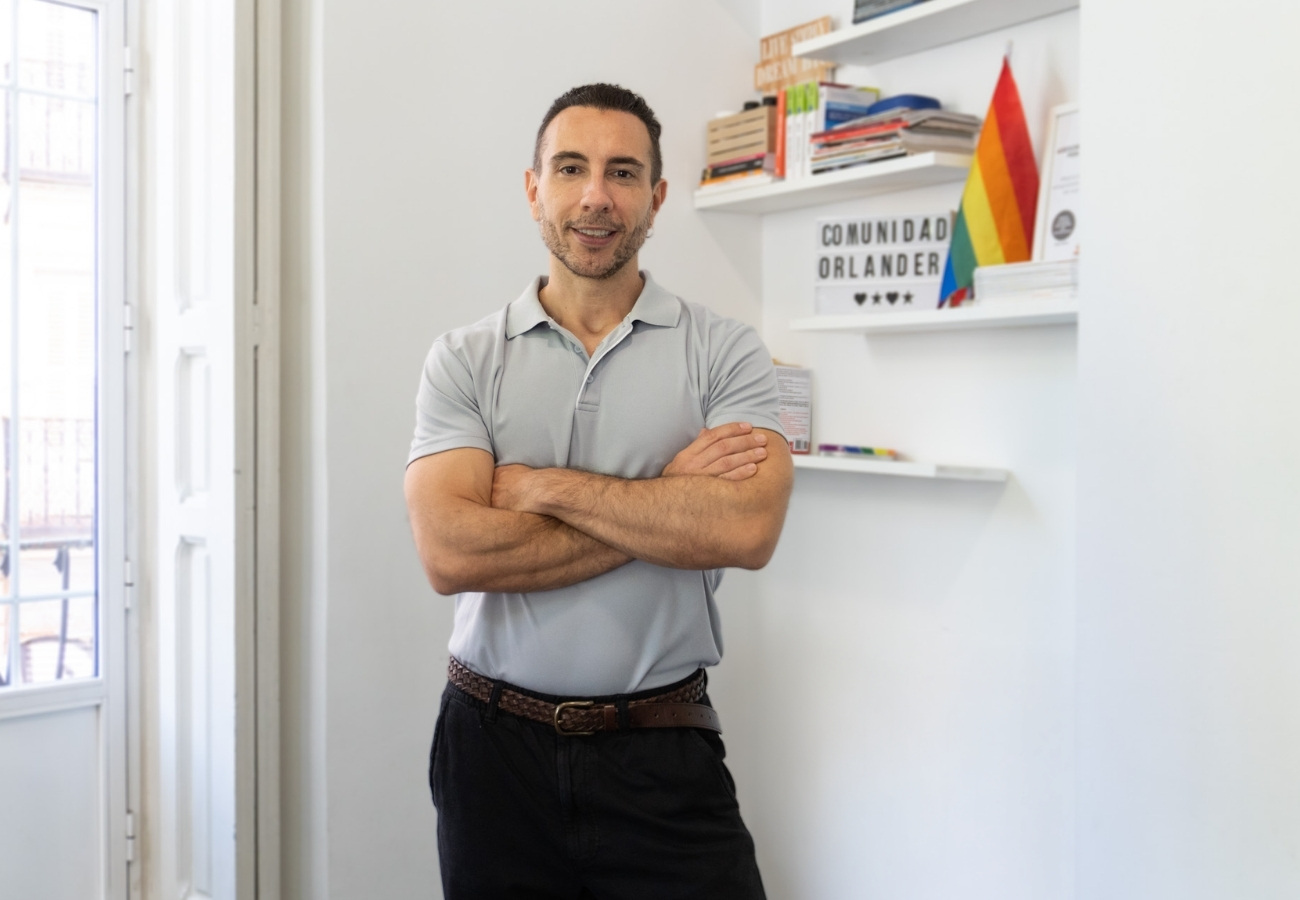
Rainbow Magazine: One of your pillars is to promote healthy and adult bonds. In such a fast-paced world, what, for Fabri Orlandi, is a “healthy bond” within the collective today?
A healthy bond is one where you don’t have to pretend. Where you can appear tired, insecure, without your best version, and still be welcome.
Among gay men we have often learned to compete and seduce before taking care of ourselves. A healthy bond is just the opposite of that. It’s being able to tell another guy “I’m having a bad time” without fear of him seeing you less. It seems simple, but it is difficult, and when it happens it changes things a lot.
Rainbow Magazine: It seems like a contradiction: we are more connected than ever by apps, but there is a lot of loneliness. How does Orlander manage to break that digital barrier so that people dare to truly meet each other, face to face?
We measure this, it is not my intuition. We did a study with about 300 men from the collective and 73% said that they do not feel like they belong to a community. That piece of information touched me. Apps give you bodies and immediate validation, but they don’t give you belonging.
How do we break it? Taking the spotlight away from the mobile phone. On a retreat, on a route, at a shared dinner, the phone stops being the center and people relax. No need for a weird method. Presence does almost all the work alone. When you put people in the same place long enough, without a screen in between, connecting happens on its own.
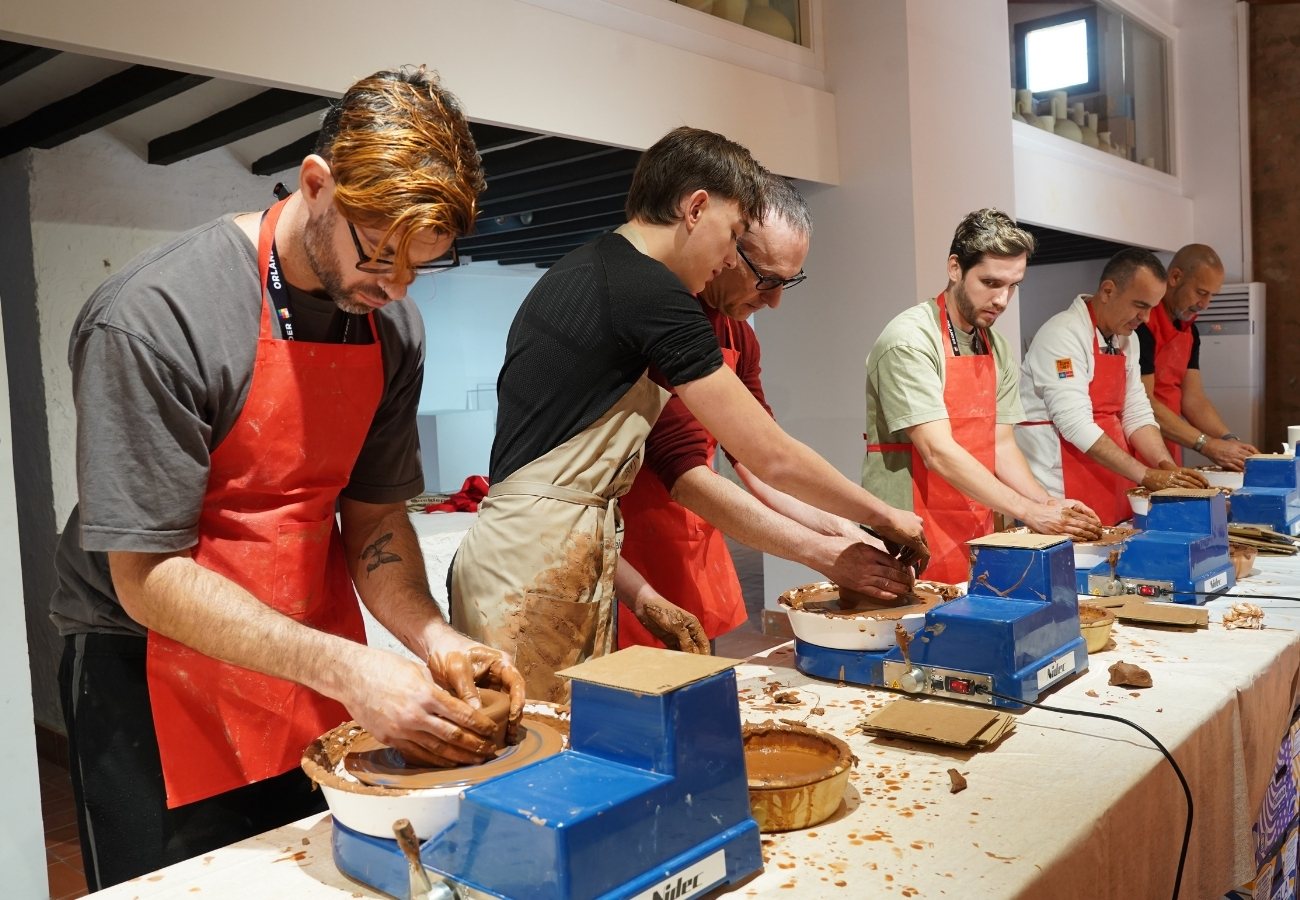
Rainbow Magazine: Your retreats are not just vacations; there is an undercurrent of personal growth. What do kids who go through an Orlander experience thank you most for when they return to their routine?
What they tell me most is that for a few days they didn’t have to give explanations. It could have been them, without armor.
Some people tell me that they laughed like they hadn’t in years. Others return with a new friend, which with age is one of the most difficult things to find. And many tell me a phrase that I love: “I didn’t know I needed this.” That to me is worth more than any five-star rating.
Rainbow Magazine: Managing the expectations and emotions of so many people can’t be easy. What has been the greatest learning that Orlander has given you, on a personal level, as the leader of the project?
That I can’t do everything alone, and that my well-being is also part of the project. For a season I carried too much and that is not sustainable for me or anyone.
I have learned to delegate, to set limits and not to confuse helping with rescuing. And something else: that vulnerability is contagious for the better. The day I truly appear, without the posture of a leader, the rest also open up. Leading this is not about having everything under control, it is about going first by showing myself to be human.
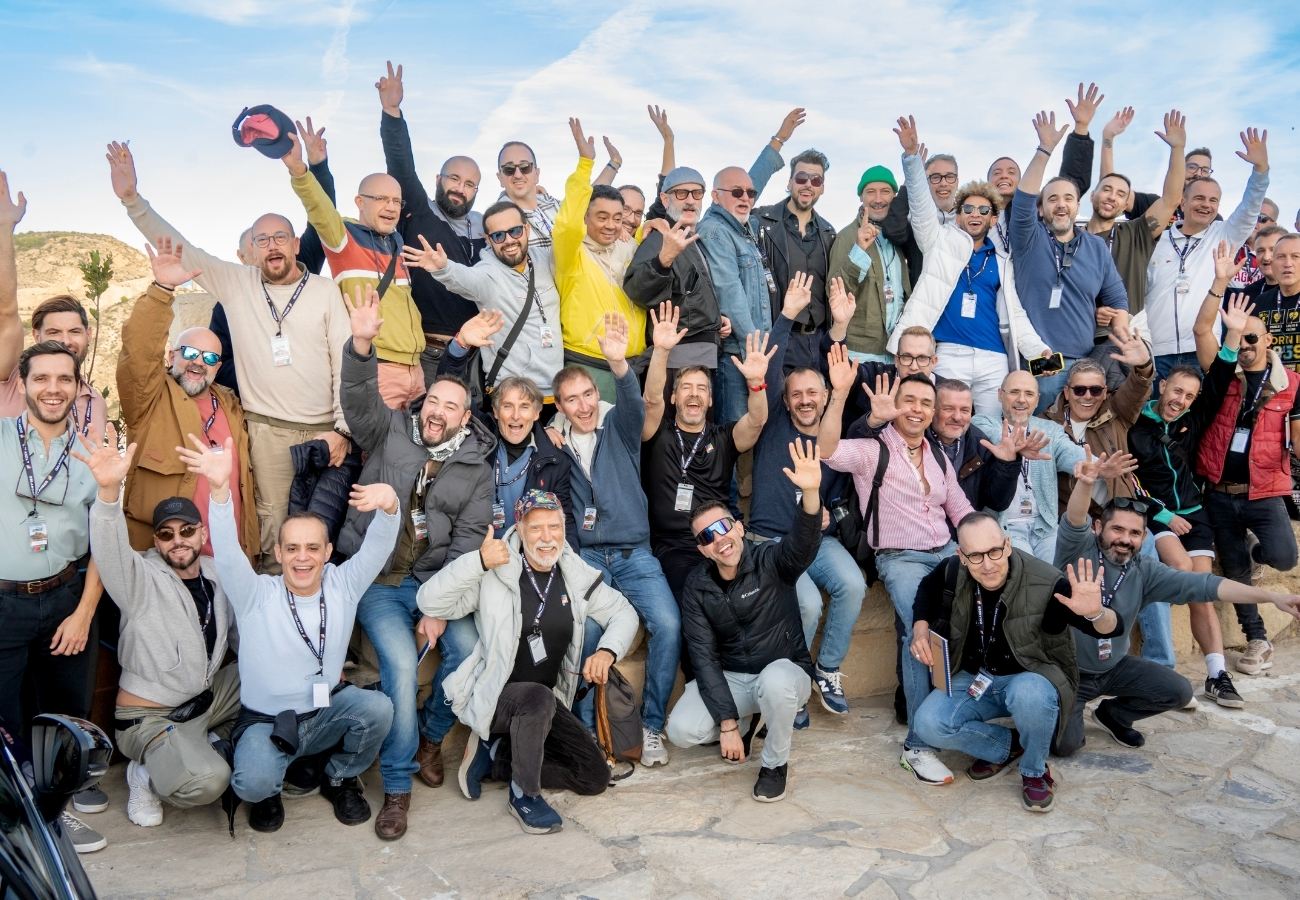
Rainbow Magazine: Barcelona and Madrid are already Orlander territory. Where is the project headed now? Are there new frontiers or new formats you’re looking forward to exploring?
On the one hand, new experiences: the Camino, cruises, vacations, retreats in more places. On the other hand, I am very excited about working with city councils and institutions, because it means taking all this from the private and bringing it to the public, for a city to say “this is also for you.”
And looking further, open ourselves to the entire Spanish-speaking community. But I confess one thing: my dream is not to add cities on a map. My dream is that being a gay man over 30 no longer means being alone. The day that happens, we will have done the job well.