

- Emotional well-being tourism gains weight compared to traditional leisure, transforming the Jacobean route into a space of disconnection and community.
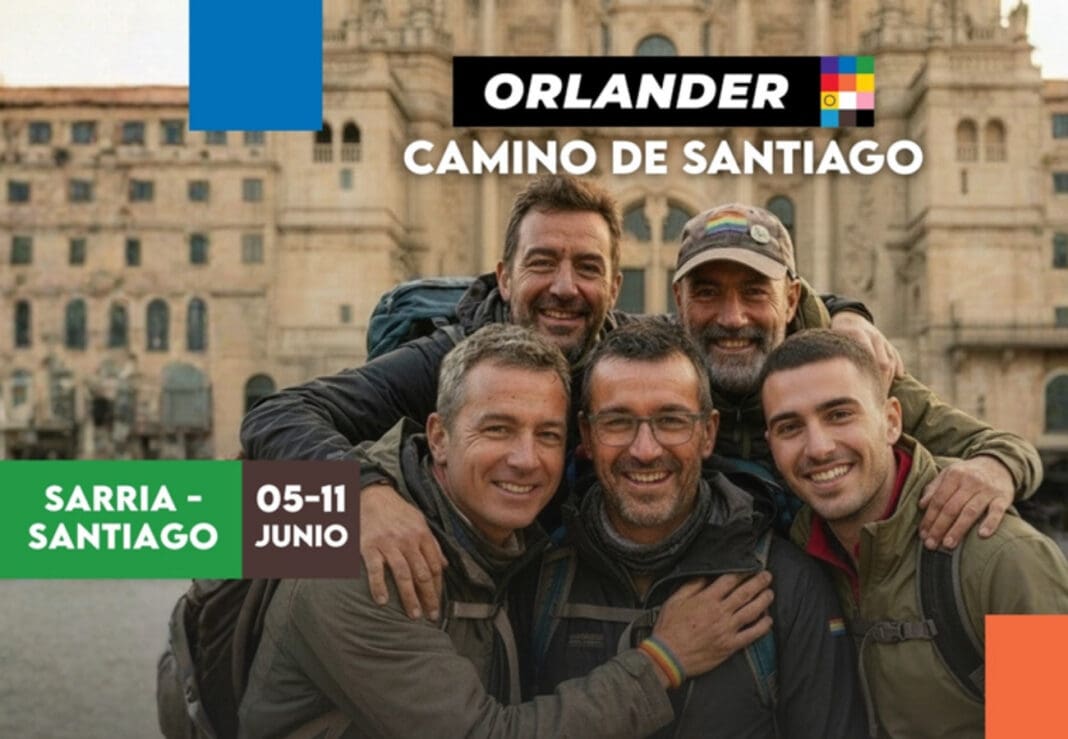
- The Spanish organization Orlander launches small seven-day groups designed specifically for the group.
- The group approach ensures safe, judgment-free environments, enhancing the mental health benefits of hiking.
The Camino de Santiago is no longer just a matter of faith or a sporting challenge; It is now also a mental health tool. Wellness tourism has established itself as the star trend of the sector and the LGTBIQ+ group is leading this paradigm shift. The image of the solitary pilgrim is left behind: what is carried now is the Camino de Santiago lived in community, consciously and with the focus on emotional balance.
A bubble of safety and disconnection
Although Spain is a benchmark in diverse tourism, for many people in the group, safety and the social context continue to be determining factors when planning a trip. In this scenario arises the proposal of Orlander, a Spanish organization specialized in healthy leisure for the community, which has designed a seven-day format for different stages of the Camino.
The differential value of this initiative is the creation of a “cared for space.” By traveling in small groups, barriers such as fear of loneliness or the discomfort of unfamiliar environments are eliminated, guaranteeing a judgment-free experience where mutual support is the basis of each stage.
Hiking as stress therapy
The impact of this experience on mental health is direct. The combination of moderate physical exercise, contact with nature and the necessary digital disconnection helps to drastically reduce stress and anxiety levels. For the LGTBIQ+ group, the group component of the Orlander routes adds an extra level of well-being: it reinforces the feeling of belonging and generates real bonds that go beyond a simple week of vacation.
Beyond nightlife: A paradigm shift
We are facing a clear evolution in the travel sector. He LGTBIQ+ tourist Now look for transformational experiences that move away from the noise and towards self-care. The Camino de Santiago thus adapts to the culture of lifestyle and comprehensive well-being.
Initiatives like Orlander’s confirm that the destination is still important, but that the key to success lies in the “how” and “with whom.” In short, the Camino has become a perfect opportunity to connect with oneself while walking accompanied, demonstrating that mental health and sport are the best combination to enjoy our borders.