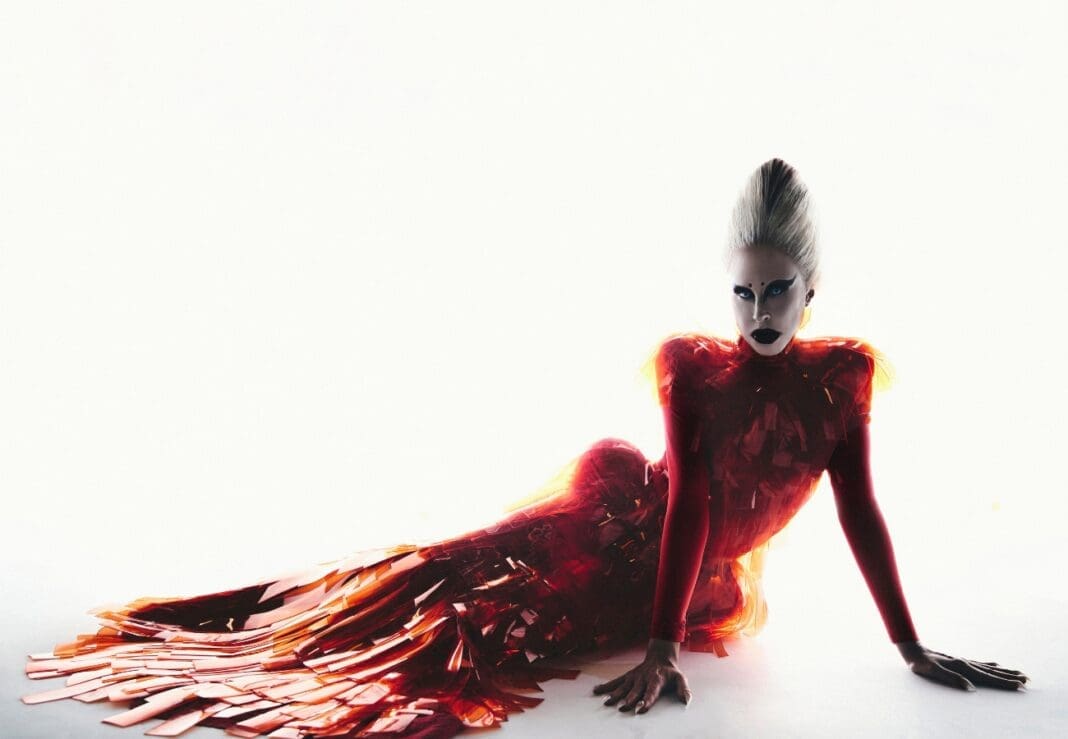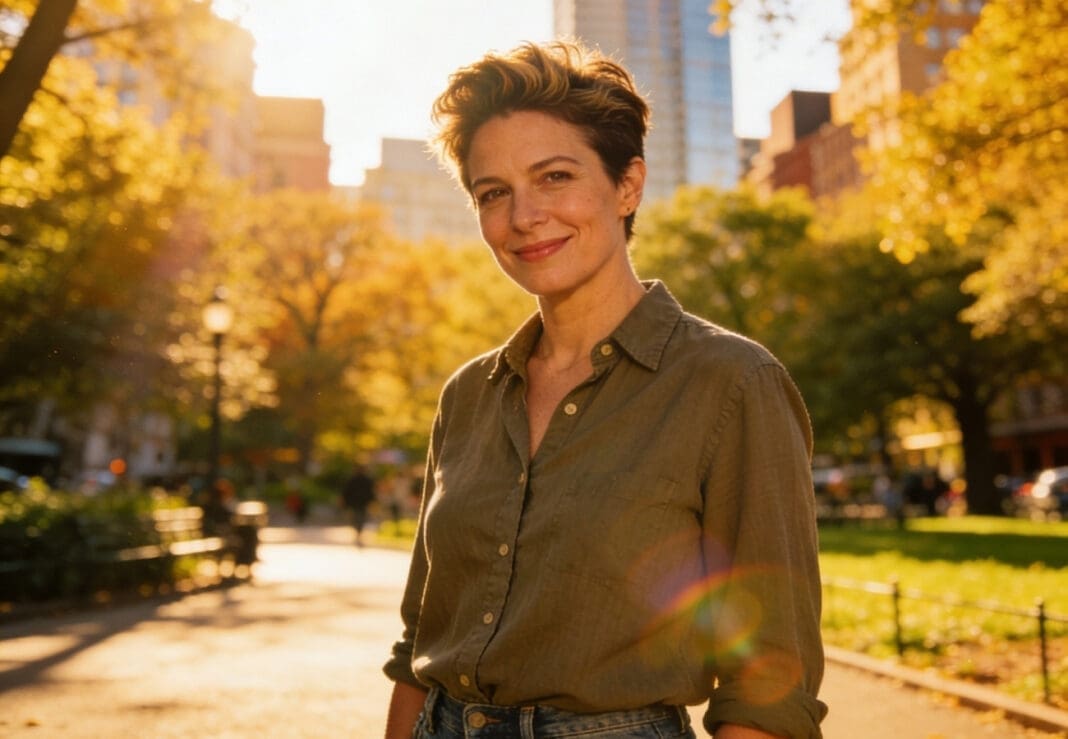

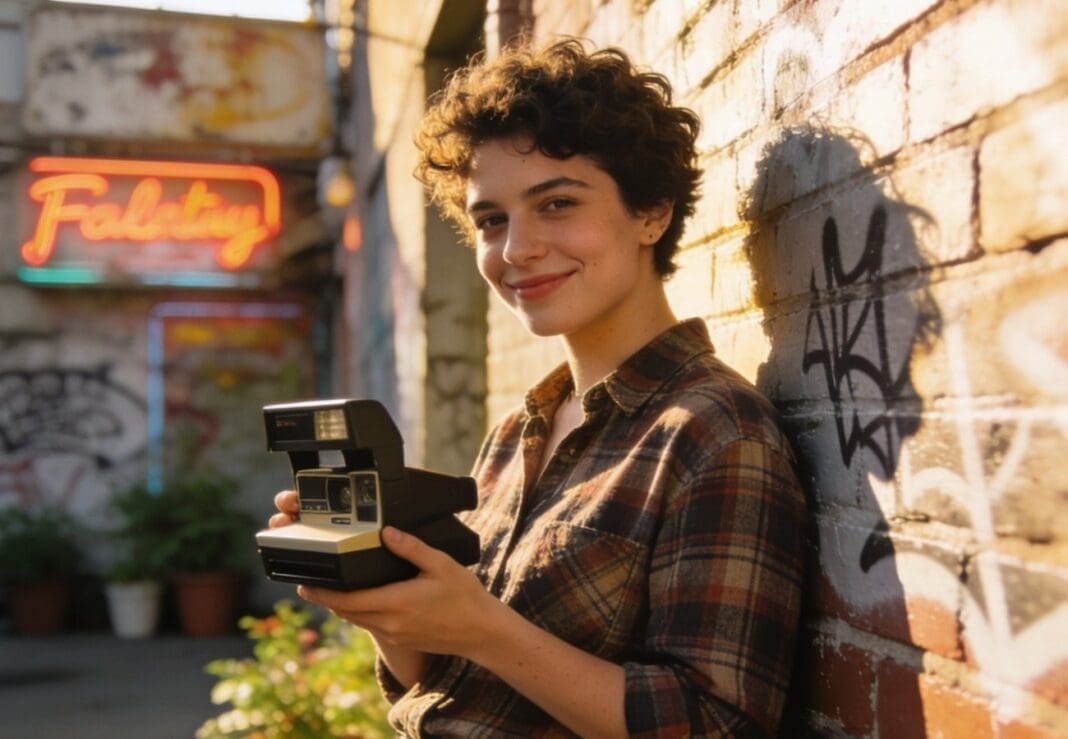

Today, april 26, the day of lesbian visibility is celebrated, a day intended to claim the role of lesbian women in the public space and to report the multiple discriminations that persist in the work, health and social field. in this 2026, the anniversary focus on the need for diverse references that break with traditional stereotypes, demanding public policies that guarantee real equality that goes beyond mere institutional tolerance.
Today we reach a date marked in red on our fight calendar: April 26. Surely you have seen that the world is filled with flags and proclamations, but have you ever stopped to think what is behind all that noise? Lesbian visibility is not just about “being in the picture”, it is a matter of political and social survival in a world that, sometimes, seems to only see us if we fit its molds.
Take a little time, get comfortable and let’s talk about what it means to be a lesbian in 2026. Because yes, we have made a lot of progress, but we still have a few walls to tear down.
Exist to be named: The power of the word
For centuries, women who loved other women were condemned to silence or, worse still, suspicion. We were not named, and what is not named does not exist. That is why this day is so vital. It’s not just a party; It is an act of resistance against historical invisibility.
As Senator Carla Antonelli said in our last talk, visibility has been our greatest and most powerful tool. And he is absolutely right. When a lesbian woman occupies a position of power, when a couple of women walks hand in hand through their neighborhood or when a young woman sees a role model on television, “normality” is redefined.. The problem is that this visibility still has a cost that not everyone can pay.
What barriers continue to hinder our visibility?
Even though we are in 2026, the figures that Minerva gives us in the editorial office continue to be a wake-up call. All that glitters is not gold. Here are some points where the shoe still “tightens” us:
-
The work environment: Many women continue to hide their sexual orientation at work for fear of losing promotion opportunities or suffering subtle (and not so subtle) harassment from their colleagues.
-
Health: How many times have you gone to the gynecologist and they have assumed that you use contraceptives because they assume that you have relationships with men? The lack of specific protocols for lesbian women is a form of institutional violence.
-
Double discrimination: Being a woman and being a lesbian puts us at a complicated intersection. We suffer from machismo and lesbophobia at the same time, something that often translates into greater economic precariousness.
References: From the screen to everyday reality
It’s funny how the media works. Sometimes it seems that there is only one “type” of acceptable lesbian: one who does not bother, who meets certain standards of femininity or who lives her sexuality in an almost private way. But the reality is much richer and more complex. We need to see racialized lesbians, disabled lesbians, trans lesbians, and older lesbians.
Visibility in important media is absolutely necessary because we are a product of what was created yesterday. Watching documentaries like Benita’s on RTVE helps society empathize with our realities. But what happens when these media stop being “friendly”? As Antonelli pointed out, the danger of public institutions becoming pamphlets that censor our existence is real and is happening in some communities..
Education: Our vaccine against hate
In 2026, we are seeing how hate speech tries to gain ground. They point out, focus and direct hatred towards us to win votes or cover up other political shames.. Faced with this, diversity education is our best defense.
If we want the next generation to not need April 26 to vindicate itself, we have to start in the classrooms. It’s not just about tolerance, it’s about respect and coexistence. Differences should enrich us, not distance us. And that begins with understanding that the love and desire of lesbian women are as valid and worthy as any other.
Towards a future without closets
I wonder what it will be like on April 26, 2036. Will we continue writing articles about the lack of health protocols? Or will we be celebrating that full and real equality is, finally, an empirical reality? As Carla says, we fall and get back up, because we didn’t get here to take steps back..
Visibility is a right, but it is also a tool for collective care. By being visible, we are telling the girls behind us that their desire is beautiful, that their identity is valid, and that they have a whole world waiting for them outside the shadows.
What do you think? Do you feel that lesbian visibility has improved in your environment in recent years or do you think that the posturing on social networks hides a much harsher reality? I would love to read your reflections, because in the end, we make this magazine together.
Happy Lesbian Visibility Day! Let no one take away the pride of being who we are.