


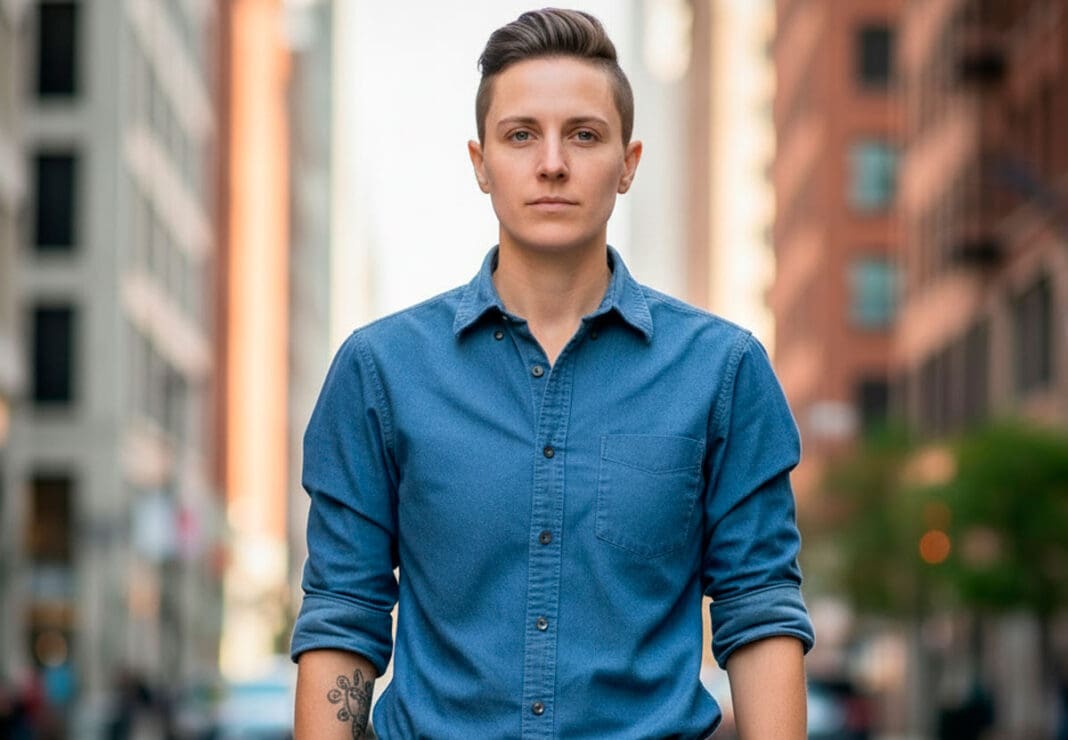
The visibility of transmasculine narratives is crucial in the fight for equality and acceptance of gender diversity. As society moves towards greater inclusion, the stories of transmen and transmasculine people emerge more strongly, showing the richness of experiences and the multiplicity of identities that exist within the LGTBIQ+ community. In this article, we will explore the various dimensions of these narratives, their impact on society, and the importance of giving a voice to those who live them.
The Reality of Trans Men and Transmasculine People
Transmasculine people are those who were assigned female at birth, but who identify and live as men. This group encompasses a variety of identities and experiences that can include trans men, non-binary people, and genderfluid people. However, they often face unique challenges in terms of visibility, acceptance, and social recognition.
Stigmas and Challenges
Despite advances in social acceptance, trans men and transmasculine people continue to face stigma and discrimination. According to recent studies, many experience violence and harassment, both in public spaces and in work environments. How can we, as a society, work to change these realities? Education and awareness are key, but it is also essential that these people’s narratives are part of the public discourse.
The Importance of Visibility
Visibility is a recurring theme in conversations about the LGTBIQ+ community. For trans men, telling their stories is a form of resistance and a way to challenge traditional gender narratives. By sharing their experiences, they open doors to understanding and empathy, not only for themselves, but for the entire trans community.
Narratives in Different Contexts
The stories of trans men and transmasculine people are not homogeneous; They vary according to culture, socioeconomic context and geographical environment. In some countries, acceptance of gender identity is greater, while in others, transmasculine people continue to fight for their basic rights. For example, in countries like Spain, where there has been progress in legislation that protects the rights of trans people, greater visibility is observed in the media. However, in other regions, there remains a lack of representation and understanding.
Visibility Platforms
Social media has become a vital space for trans men to share their stories. Platforms like Instagram and TikTok allow transmasculine narratives to spread quickly and effectively. These platforms not only offer a space for self-expression, but also serve as educational tools for those unfamiliar with gender diversity.
Critical Reflections
Despite advances in representation, it is essential to question the extent to which visibility truly translates into acceptance. Some voices within the transmasculine community argue that media exposure often favors simplified narratives that do not reflect the complexity of their experiences. Are we, in some ways, reducing the stories of trans men to simple anecdotes for public consumption? This is a question that deserves continued attention and analysis.
Education as a Tool of Change
To move towards greater acceptance, education is essential. From classrooms to work spaces, it is essential that programs are implemented that promote understanding of gender identity and diversity. Transmasculine narratives must be an integral part of these programs, allowing new generations to grow up with a more inclusive perspective.
Transmasculine narratives are essential for building a more inclusive and empathetic society. As we continue to hear and value the stories of trans men and transmasculine people, it is essential to remember that each experience is unique and deserves to be told. Visibility not only empowers those who experience it; It also educates a society that often faces misinformation and prejudice. Ultimately, the path to acceptance and respect begins with recognizing the diversity of identities and experiences within the LGTBIQ+ community.