

- The PP alone imposed yesterday its proposal to eliminate gender self-determination, directly attacking Law 4/2023.
- Under the pretext of “erasure of women”, the initiative seeks to reestablish pathologization and administrative barriers for trans people.
- The left and activism cry out against a “transphobic” measure that fractures coexistence; Vox voted against considering it insufficient.
This past Tuesday, March 24, 2026, Madrid City Council became the scene of a worrying attack on human rights. The Popular Party used its majority in the Cibeles Plenary to approve a proposition that calls for the Madrid Trans Law Reform 2026, a political maneuver that seeks to dismantle the state Trans Law and take away the collective’s fundamental right to self-determination.
A direct threat to trans identity
The initiative, promoted by Carlos Izquierdo, targets the articles 43 and 44 of the national law. The PP intends to end the registry rectification system based on the declared will, a historic achievement of the group that they now describe as “institutional lack of protection.” With rhetoric that the LGTBIQ+ community calls segregationist, the popular ones maintain that gender identity is a “fraudulent procedure”, calling into question the reality of thousands of people.
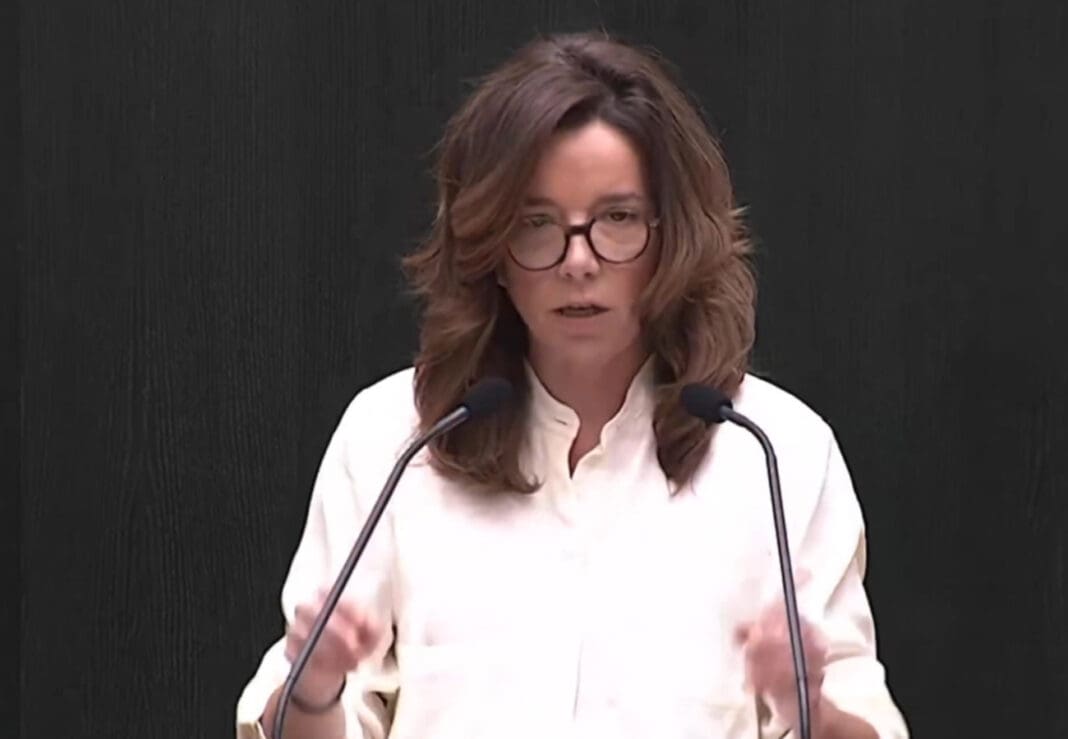
Councilwoman Paula Gómez-Angulo led the harshest speech, stating that the current law responds to “ideological fashions” and using the exclusionary argument of avoiding the “erasure of women.” In a twist that mixes the rejection of diversity with cultural prejudices, the proposal also charged against the use of the niqab or the burqa, linking “legal erasure” with a supposed “physical erasure”, in an attempt to protect public space and the identity of others.
Women’s rights are not touched.#PlenoMadrid Paula Gómez-Angulo pic.twitter.com/FDXz8EWI97
— Grupo Popular Madrid (@GrupoPPMadrid) March 24, 2026

Recoil resistance: “Not a step back”
From Rainbow Magazine we join the complaint from PSOE and Más Madrid, who described yesterday’s session as an exercise in institutional transphobia. Opposition groups warned that this reform would mean returning to the times of pathologization, forcing trans people to submit to third-party criteria to be who they are. For activism, this is not a defense of women, but a frontal attack on diversity that uses cis women as a shield.
The vote left a mark of isolation for the PP: only its votes carried the measure forward. Surprisingly, three Vox councilors – Ortega Smith, Carla Toscano and Ignacio Ansaldo – voted against, not out of support for the group, but because they considered the proposal an insufficient “facelift”, while Arantxa Cabello’s abstention ended up drawing a fragmented right-wing bloc in the face of one of the most humane laws of our democracy.
What a queen @Tcheluca today in the plenary session of the Madrid City Council standing up to the racism and transphobia of the PP.
Every second of these almost three minutes deserves to be heard and applauded. pic.twitter.com/iKdV1QHv8h
— Santi Rivero 🏳️🌈🌹🏳️⚧️ (@Santi__Rivero) March 24, 2026