

A worrying turn in US military policy
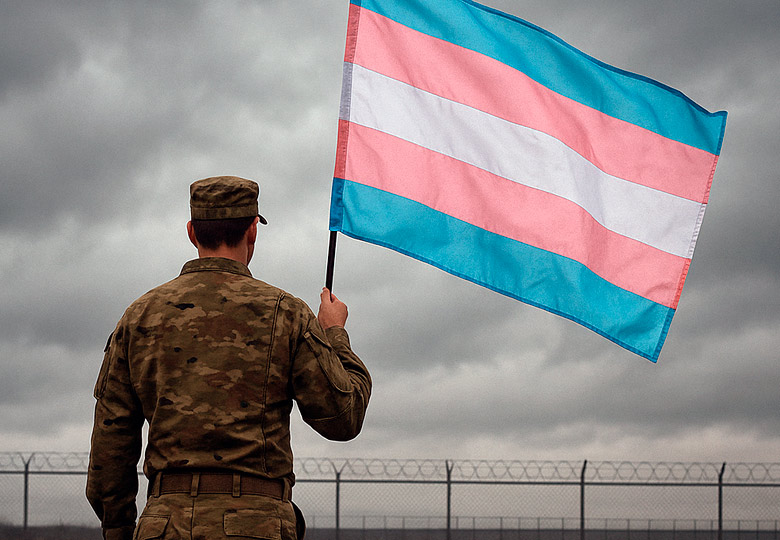
In a move that has raised alarm among human rights organizations, the United States Department of Defense has confirmed that, starting next month, it will begin to officially separate transgender military personnel from its ranks. The measure, announced by Pentagon spokesman Sean Parnell, is part of a new directive that excludes anyone with a diagnosis, history or current symptoms of gender dysphoria, as well as those undergoing related medical treatment, unless such treatment is considered “strictly necessary.”
According to the data provided, nearly 1,000 people have already opted for voluntary withdrawal after identifying as trans and having been diagnosed with gender dysphoria. The Pentagon has given an additional 30 days—until June 6—for active personnel to request this voluntary departure. In the case of reservation, the period is extended by 60 more days, until July 7. After this period, forced expulsions will begin.
The official justification: “military preparation and national security”
Secretary of Defense, Pete Hegseth, supports this decision by appealing to a recent order from the Supreme Court that allows the application of the executive action called “Prioritizing military excellence and readiness.” This policy maintains that “a gender identity divergent from the sex assigned at birth” is incompatible with the standards required to be part of the US military. The document leaked to the press goes further by stating that such divergence can compromise national security.

This position is not new, although it does represent a regression with respect to the progress achieved in previous years. The previous administration had eliminated restrictions on transgender service members, recognizing their right to serve openly and receive medical treatment consistent with their gender identity. The new guide retraces that path.
A setback in human rights?
The Pentagon measure not only puts the job security of hundreds of military personnel at risk, but also raises a deeper debate about the limits between national security and individual rights. Can being transgender really be considered “a risk”? Or are we witnessing, once again, a policy that stigmatizes a part of the citizenry under a technical façade?
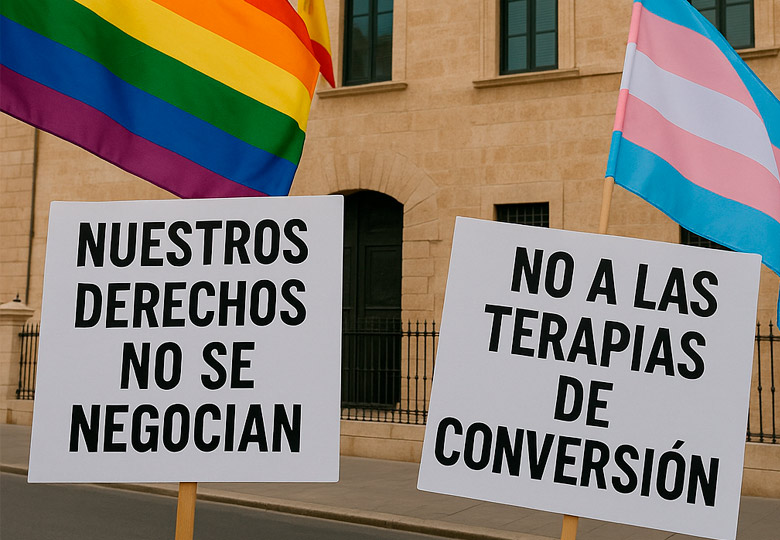
From multiple organizations, both inside and outside the US, voices have already been raised denouncing this regulation as discriminatory and contrary to the principles of equality and non-exclusion.
Not everyone agrees
Although it is presented as a decision based on technical and preparation criteria, several independent sources question the real motivation for this measure. Human rights experts have warned of the possible political use of the trans issue in times of polarization. Furthermore, there are those who remember that there are no conclusive studies that demonstrate that gender identity negatively affects military performance. Are we, then, facing a legitimate argument or facing an ideological smokescreen? The answer is not as clear as we would like.