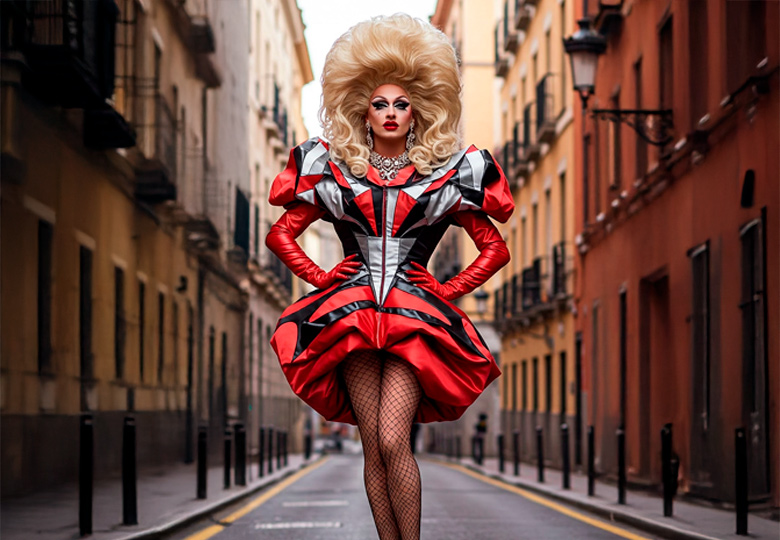

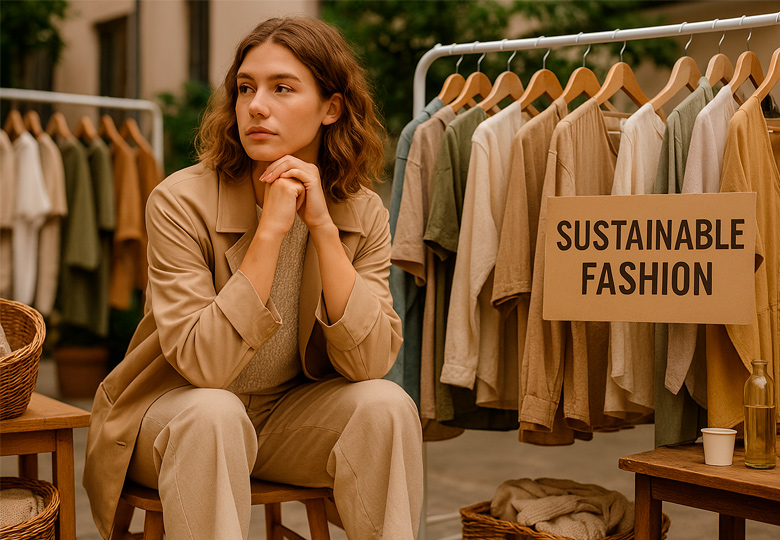
Fashion is everywhere. In what we wear, in what we see, in what we dream of being. But it is also at the bottom of the sea, in the mountains of textile waste, in the lungs of those who sew our t-shirts. And lately, it is on everyone’s lips with a new surname: sustainable.
But what does “sustainable fashion” really mean? Are we talking about saving the planet from the closet, or a new disguise to continue consuming without guilt?
More than a pretty hashtag
Sustainable fashion, in theory, is a way of producing, distributing and consuming clothing that seeks to reduce the environmental impact and improve the social conditions of the entire chain. Organic materials, less polluting processes, fair trade, recycling… sounds good, right?
And it is. But not everything that carries the “eco-friendly” label fulfills these promises. Some brands hang the green banner without really changing their practices. This is called greenwashing. And it is more present than it seems.
The industry that pollutes (and a lot)
The textile sector is one of the most polluting in the world. It is estimated that it generates between 8% and 10% of global CO₂ emissions. In addition, it consumes enormous amounts of water (did you know that it takes around 2,700 liters to make a single cotton T-shirt?) and produces waste at a frightening rate.
The “fast fashion” model has a lot to do with this. Cheap clothes, new collections every week and the constant idea that what you wear today is already out of fashion tomorrow. This system pushes us to buy non-stop, and of course… all of that ends up somewhere.
Sustainable doesn’t have to be boring
For years, conscious fashion was associated with simple garments, neutral colors and high prices. But that has changed. Today there are emerging brands that are revolutionizing sustainable aesthetics with fresh, inclusive and original proposals.
Designers who reuse old fabrics, brands that work with local communities, clothes made from recycled bottles or mushrooms (yes, mushrooms). Creativity is not incompatible with commitment. In fact, it is often your best ally.
And what role do we play as consumers?
Here comes the part that sometimes bothers us: it is also our responsibility. It’s not about stopping buying clothes, or feeling guilty every time we step into a store, but it is about questioning ourselves a little more about what we consume and why.
Do I really need this? Am I going to use it more than three times? Is there a more ethical or durable alternative? Buying with more head and less impulse can make a big difference.
Plus, there are plenty of ways to practice more conscious fashion without breaking the bank: swapping clothes, buying second-hand, repairing instead of throwing away, supporting local brands, or even creating your own clothes.
The dilemma of sustainability in a rainbow key
For many in the LGTBIQ+ community, fashion has always been a form of expression, resistance and liberation. Being able to dress how you want is not just aesthetics: it is identity, it is politics. But what happens when that freedom collides with the limits of the planet?

A complex conversation opens here. Because yes, we want to be free to express ourselves, to play with clothes, to reinvent ourselves a thousand times. But we also want a world in which we can all live with dignity. How do we balance that need for visibility with more responsible consumption?
There are no simple answers, but opening the debate is already a brave step.
Beware of the trap of “conscious consumption”
Although it may seem contradictory, even within the sustainable fashion movement there are criticisms. Because? Because sometimes we fall into the idea that the solution is only to change what we buy, when in reality the problem is much deeper.
There are voices that denounce that this individualistic approach makes the responsibility of large companies invisible. Putting the entire burden on consumers is unfair, especially when many cannot afford to pay more for ethical clothing. Is a fashion that is only available to some really sustainable?
Real sustainability also involves structural changes, public policies and social justice.
Small gestures, big changes
Okay, we’re not going to save the planet by not buying t-shirts. But every decision counts. And not only in what we buy, but in how we talk about fashion, in how we educate, in how we support projects that are trying to do things well.
Get informed, question, share. Be aware without obsessing. Because it’s not about being perfect, but about finding kinder ways of inhabiting the world. And that includes our closet too.
🧵 Sustainable fashion: lights, shadows and many questions
Sustainability in fashion is not a magic solution. It requires time, will and a profound change in how we understand consumption. It is not enough to put “green” on a label if behind it they continue to exploit workers or pollute rivers. And it cannot be ignored that in some cases, sustainable fashion has become a luxury that not everyone can afford. Can an industry based on constant desire be truly ethical? The reflection is open.
Dress with purpose (without losing style)
Sustainable fashion is not a goal, it is a path. A path full of nuances, personal decisions and contradictions. But also opportunities to create something new, fairer and more beautiful. Because yes, you can dress with style without leaving aside your conscience.
There is no need to burn down the closet and start from scratch. Just observe, choose with more intention and remember that each garment has a story. What story do you want to tell?