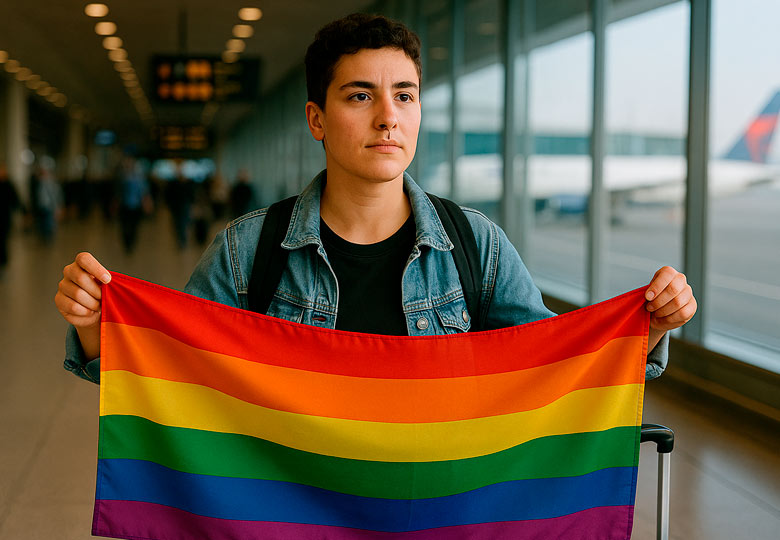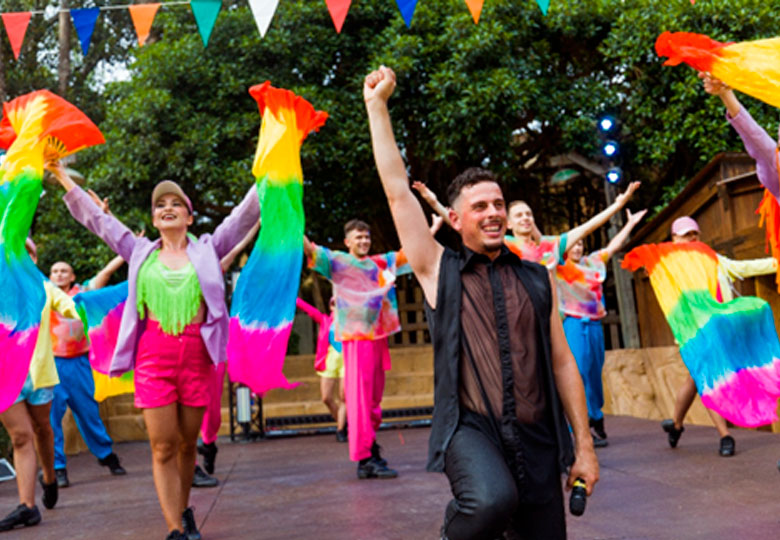

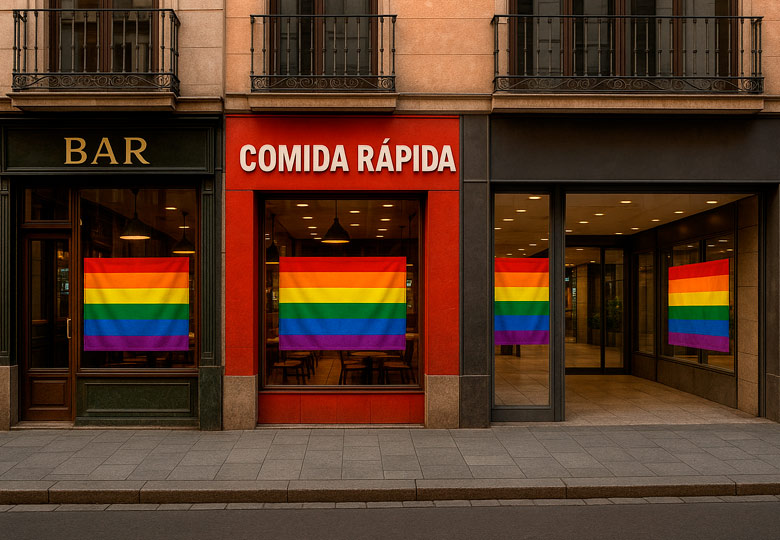
Every June, the LGTBIQ+ community prepares to celebrate Pride with color, visibility and—we are not going to fool ourselves—an avalanche of advertising campaigns that, at least on the surface, showed a corporate commitment to rights and diversity. But this year, something has changed. Have you noticed it too? Big brands have lowered the volume, many have even opted for absolute silence. And yes, behind this phenomenon there is a name that resonates strongly: donald trump.
Since assuming the US presidency again at the beginning of 2025, Trump has promoted a clearly hostile discourse towards the LGTBIQ+ community. Cuts to protection programs, elimination of inclusive educational materials and public statements that stoke polarization have had an impact beyond American borders. This year’s Pride has witnessed that domino effect, which has resulted in a notable decline in corporate support for the collective’s celebrations.
Fear as a corporate strategy
Some companies have avoided taking a position to “not enter into political debates,” according to their statements. Others have been more direct: they do not want to risk their profits in an environment where boycotts and hate campaigns on social networks are more aggressive than ever.
It’s not a coincidence. The social climate, especially in the United States, has changed. And since many global brands depend largely on the US market, they choose to the low profile. Fear sells more than empathy. Cynical? Maybe. Realistic? Definitely.
Real support or pink marketing?
For years it has been questioned “pinkwashing“, that practice of some brands of joining Pride solely for economic interest. Rainbow t-shirts, multicolored logos, ads with same-gender couples… and on July 1, everything returns to its usual state.
This 2025 has allowed us to see more clearly who were true allies and who were only taking advantage of the month of June to generate income. Many companies that in previous years invested large budgets in LGTBIQ+ campaigns have opted for silence this year. Were they really with us or was it just a profitable business?
Visible consequences in Pride
In cities like New York, Madrid or Berlin, there has been a noticeable reduction in sponsorship and funding of Pride events. Some floats could not leave due to lack of funds. Others had to reinvent themselves to move forward without the usual business support.
This has forced associations and groups to return to the roots of Pride: a political demonstration, not a sponsored party. What for many has been a loss, for others has meant an opportunity to reconnect with the original spirit of Stonewall: protest, resistance and unfiltered visibility.
What is behind the corporate silence?
Beyond Trump and his policies, the rise of ultraconservative movements in Europe and Latin America. Governments and parties that attack the rights of the collective have managed to ensure that explicit support for diversity is seen as “ideological” or “divisive”.
This creates a dilemma for companies: do they take a position with social justice or remain neutral so as not to lose customers? This neutrality often hides a lack of real commitment.
Are we alone? Not at all
Despite the withdrawal of some big brands, many small businesses, local collectives and independent artists have stepped forward. They have created content, supported events and, above all, kept the Pride message alive: be who we are without asking for forgiveness.
There are also brands that, although they have received attacks, they haven’t backed down. Nike, Ben & Jerry’s or Levi’s, for example, have continued their inclusive campaigns with consistency. They are not perfect, of course, but In a difficult year they have decided not to disappear.
Is it all Trump’s fault?
Although it is undeniable that Trump’s speech has influenced the international environment, we cannot blame him entirely. Many brands had already been reducing their commitment before, and the global economic crisis It has served as an excuse to reduce budgets that, in reality, were not a priority. Perhaps the problem is not only political, but also structural. How much does diversity matter in management committees? How many LGTBIQ+ leaders make real decisions in these companies?
And now what?
We are left with an uncomfortable but necessary question: Do we need brands to celebrate Pride? The answer is not simple. On the one hand, its visibility helps to normalize. On the other hand, its absence reminds us that the fight remains ours, not delegable.
Perhaps this year has not been as colorful as others, but it has also been a wake-up call: Support cannot be conditional or limited to one month a year. We are not. We are there all year round. And we deserve respect and visibility all year round.
Pride without sponsors, but with dignity
This Pride 2025 will go down in history not for its campaigns, but for its resistance. Because of the way activists, artists and collectives have taken the space that some brands decided to abandon. It won’t be the most commercial, but it may be the most honest in a long time.
And you, do you think we should continue to trust brands as allies or is it time to rebuild Pride from within, with our people, our resources and our voices?