


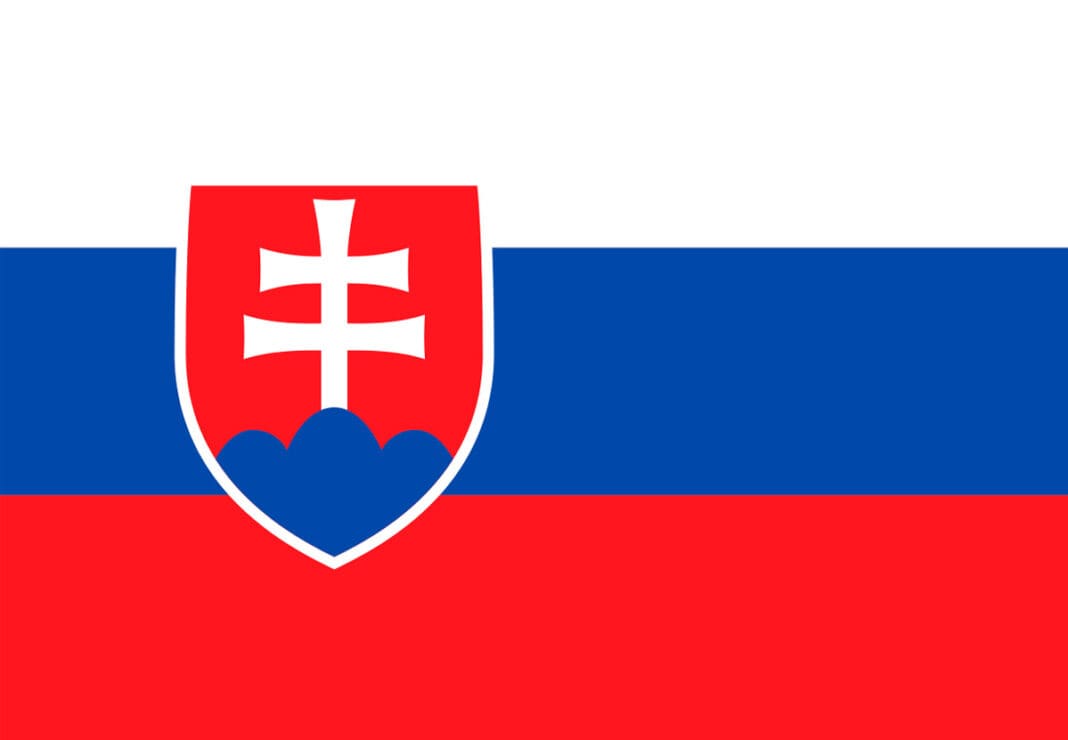
In a move that has resonated with concern across Europe, Slovakia has reformed its Constitution, implementing changes that restrict fundamental rights for the LGTBIQ+ community. This amendment not only limits adoption to non-heterosexual couples, but also reduces gender identity to a strict “man-woman” binary and requires express parental permission for sex education. What implications does this have for Slovak citizens and for the future of rights on the continent?
National Sovereignty in the Spotlight
Beyond the social implications, the reform introduces a principle that could redefine Slovakia’s relationship with the European Union. The new regulations establish that, in cultural and ethical matters, national legislation will prevail over EU guidelines and international human rights treaties. This decision, promoted by Robert Fico’s government, further strains ties with Brussels and raises questions about democratic cohesion within the Union. Is it possible to maintain European unity when a Member State prioritizes its legislation over common agreements on human rights?
A Debate That Transcends Borders
The constitutional change was approved with a minimum of 90 votes, thanks to the support of deputies outside the ruling coalition. Prime Minister Fico defended the measure as a “protection against liberal experiments”, a narrative that had already protected exclusively heterosexual marriage in the Constitution in 2024. This conservative discourse is not new, but its materialization in the fundamental law of the country is a significant step.
The question that remains is inevitable: what consequences will this measure have for citizens who do not fit into the traditional family model defended by the Executive? Beyond the letter of the law, a debate is opening up about the direction of Europe: can a Member State limit rights recognized by the common framework without putting the democratic cohesion of the continent at risk? The answer to these questions will determine not only the future of Slovakia, but also that of the European Union itself.