

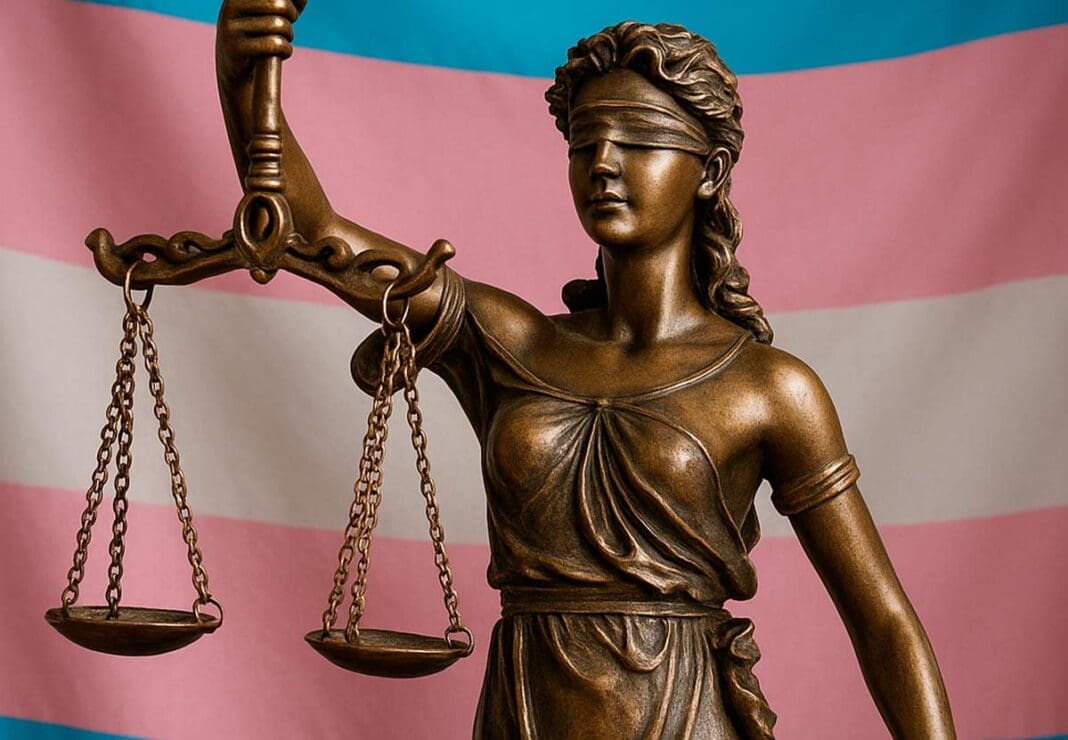
As part of the Rainbow Magazine team, a LGTBIQ+ digital magazine, I feel the obligation, and the privilege, to raise my voice on an issue that directly challenges us: the Trans Law. A legislation that, far from being an imposition, is a cry for justice, a belated recognition of the existence of people who have always been here, but that society, in its blindness or fear, has refused to see. However, we observe with concern how this law generates visceral rejection in certain sectors, especially among those who cling to more conservative visions. Why so much fear of other people’s freedom?
Dismantling Fear: What’s Behind Rejection?
The rejection of the Trans Law is not an isolated phenomenon, but is rooted in a series of prejudices and misinformation that have been cultivated for decades. For many people, the idea that gender identity is not limited to what was assigned at birth is a disruptive concept, which challenges their most ingrained mental and social structures.
- The “Gender Ideology” Argument: This is, perhaps, the most used workhorse. The Trans Law is presented as part of a supposed “ideology” that seeks to erase biological differences or confuse childhood. However, gender identity is a deep and inherent reality of each person, not an imposed ideology. Isn’t it more ideological to deny the existence of a part of our society?
- Childhood Protection (Misunderstood): Another recurring point is concern for minors. It is argued that the law “facilitates” transitions in childhood, without understanding that the law seeks precisely to accompany and protect trans children and adolescents in an already complex process, guaranteeing their rights and well-being. Isn’t it our responsibility as a society to protect all children, regardless of their identity?
- The Threat to “Women’s Rights”: An especially harmful discourse is that which pits the rights of cisgender women against the rights of trans women. This narrative, which seeks to divide and confront historically oppressed groups, ignores that the fight for equality is a joint fight. Trans women are women, and their rights are an integral part of the feminist agenda. Why do some people insist on excluding a part of women from the fight for equality?
It is important to differentiate between legitimate concerns about law enforcement and disinformation discourses that seek to delegitimize the rights of trans people.

Concerns and arguments about possible “misuse” or “mistakes” of the law:
- Removal of the diagnosis and treatment requirement: One of the main criticisms from some sectors is the elimination of the requirement for a medical diagnosis or hormonal treatment for the registered change of sex. It is argued that this could facilitate gender changes without “constancy of purpose” or for reasons other than actual gender identity.
- “Trans ideology” and gender change at will: Some critics maintain that the law is based on “trans ideology”, which postulates that gender can be changed at will, and that this imposes a mentality that is “closed and exclusive of diversity”.
- Fraud of law: Concern has been raised that the law could cover fraud of law, as has allegedly occurred in police competitions or in some prisons, where men who change their gender to female could benefit from positive actions aimed at women. However, the regulations and jurisprudence are clear: if it is demonstrated that the registry change was made for an objective other than the singular enjoyment of the right, it will be annulled.
- Hormone inhibition in minors: Although the law seeks to protect trans children and adolescents, some critical voices argue that the law “promotes the hormoneization of minors.” However, it is clarified that hormone blockers are prescribed so that minors can make decisions at an older age, and that not receiving them increases the risk of suicidal ideations and psychological stress.
- Lack of medical and psychological support: Concern has been expressed that, with the law, adolescents who wish to transition will be left without the necessary support from public medicine and with “ideologized” social services. It advocates depoliticizing and eliminating ideologies from the entire transition process and social services, and for serious, competent professionals committed to the health and well-being of the person.
- “Vexatious expressions”: The law has been criticized for punishing “using or issuing vexatious expressions”, which some interpret as a prior censorship of ideas and attitudes, even for those who support the “elementary biology and anthropology of the human being.”
It is important to remember that the advancement of rights, as occurred with the laws of divorce, abortion or equal marriage, has always aroused “fury” and rejection in some sectors. The Trans Platform denounces that trans people are being “harassed” with “brutal hate speech.”

The Trans Law seeks to guarantee the fundamental right of each person to be who they are, to live their life with dignity and without discrimination, recognizing gender self-determination and eliminating humiliating administrative barriers. The freedom of one person should never be a threat to the freedom of another; The law grants rights to those who have historically been denied them.
Hoaxes about the trans law
Here is information to debunk the main hoaxes about the Trans Law, based on sources that address these concerns:
Hoax 1: “A man can declare himself a woman just by going to the Registry and saying so to obtain advantages.”
The Trans Law establishes a procedure that allows the change of the registration mention of sex based on gender self-determination. However, this is not an “open bar” nor is it done without any type of control. The regulations and jurisprudence are clear: if it is demonstrated that the registration change was made with an objective other than the singular enjoyment of the right, it will be annulled. Furthermore, the idea that men would seek to declare themselves women to obtain “advantages” in society ignores the realities of discrimination and violence that trans women face.
Hoax 2: “The law promotes the hormones of minors or facilitates transitions in childhood without adequate support.”
The law seeks precisely to accompany and protect trans children and adolescents in an already complex process, guaranteeing their rights and well-being. In the case of hormone blockers, they are prescribed so that minors can make decisions at an older age, and not receiving them increases the risk of suicidal ideations and psychological stress. The law allows the registration change of sex from the age of 16 independently, from 14 to 16 with parental support and authorization, and from 12 to 14 through a judicial procedure. The objective is for them to be able to live their transition as they wish and without the obligation to take hormones for two years or to present a medical report that confirms their pathology, as was the case before.
Hoax 3: “The Trans Law threatens the rights of cisgender women.”
This narrative seeks to divide historically oppressed groups. Trans women are women, and their rights are an integral part of the feminist agenda. The fight for equality is a joint fight, and the Trans Law does not take away anyone’s rights; it simply grants rights to those who have historically been denied them. The law has not ended patriarchy nor has it imposed a system of domination of women over men.

Hoax 4: “The law is based on a ‘gender ideology’ that seeks to erase biological differences.”
Gender identity is a deep and inherent reality of each person, not an imposed ideology. The law seeks to recognize what trans people already are, with a procedure that does not force them to take hormones or be considered sick in order for their identity to be recognized. The existence of women with penises and men with vulvas is a reality, whether the law recognizes it or not.
Hoax 5: “The law punishes ‘vexatious expressions’, which is a prior censorship of ideas.”
The law seeks to protect trans people from hate speech and discrimination, which have been a constant in their lives. The objective is to guarantee an educational, sporting, social and cultural environment that accompanies them in their development process without fear of discrimination.
It is essential to remember that the advancement of rights, as has happened with other historical laws, always generates debate and resistance in some sectors. The Trans Platform has denounced that trans people are being “harassed” with “brutal hate speech.” The Trans Law is a step towards a more equitable and humane society, which seeks to guarantee the fundamental right of each person to be who they are, to live with dignity and without discrimination.
The Trans Law: A Firm Step Towards Equality and Dignity
The Trans Law is not a whim, but a prevailing need. It is a law that seeks to guarantee the fundamental right of each person to be who they are, to live their life with dignity and without discrimination. It recognizes gender self-determination, a basic principle of human rights, and eliminates administrative barriers that have historically been humiliating and pathologizing for trans people.
For the LGTBIQ+ community, this law represents a crucial advance. It reminds us that, despite obstacles and resistance, society is moving towards a more inclusive and respectful future. It is a beacon of hope for all those who have been made invisible and silenced.

The rejection of the Trans Law invites us to deep reflection. Are we willing as a society to get rid of our prejudices and open ourselves to diversity in all its richness? Or do we prefer to cling to a past that excludes and oppresses?
One person’s freedom should never be a threat to another’s freedom. The Trans Law does not take away anyone’s rights; it simply grants rights to those who have historically been denied them. It is an act of justice, a step towards a more equitable and humane society. And as editor of this magazine, I can only celebrate every step that brings us closer to that horizon of full equality for all.