

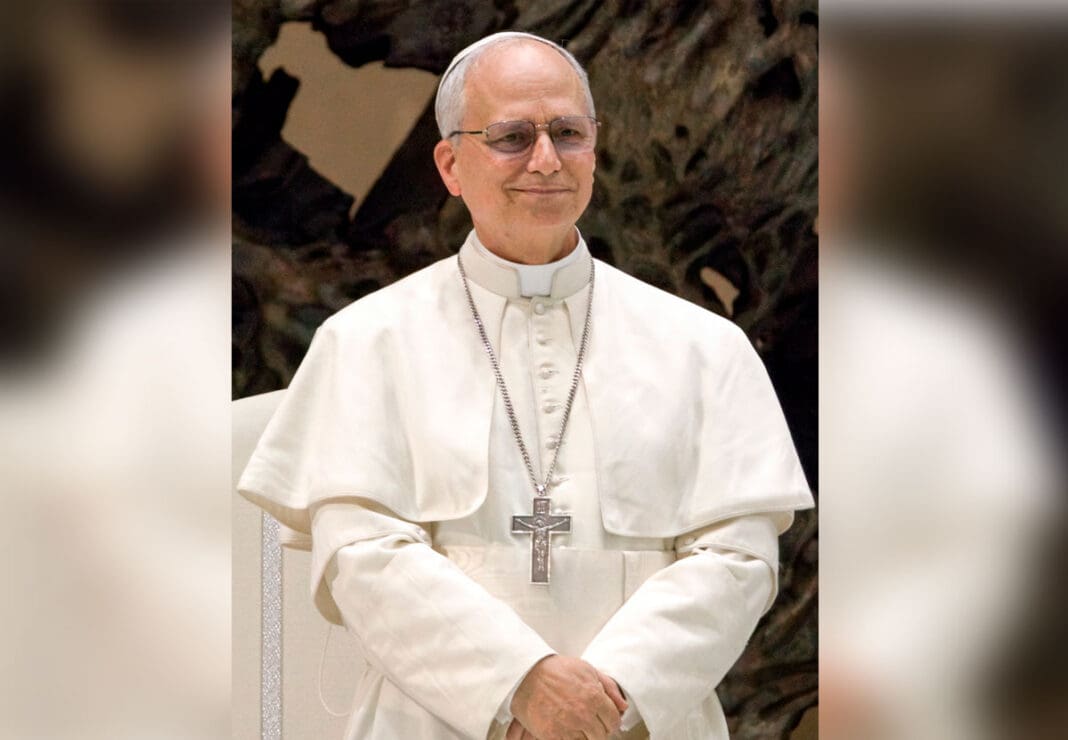
The announcement surprised many. The Vatican has officially invited the international network Somos Iglesia to participate in the Jubilee of the synod teams, which will be celebrated between October 24 and 26. Among the eight people summoned by Cardinal Mario Grech there are LGTBIQ+ Catholics and women priests, an unprecedented presence that reopens a long-standing debate: inclusion within the Catholic Church.
An unexpected turn in the relationship with “Somos Iglesia”
The gesture is even more striking if we remember that in 2014 the Vatican excommunicated Marta Heizer, Austrian co-founder of the movement. A decade later, under the pontificate of Leo XIV, the panorama seems different: representatives of the group will not only participate in the Jubilee, they will also be able to cross the Holy Door and have a direct meeting with the Pope.
Christian Weisner, leader of the group, described it as “a sign for the entire Church and an opportunity to leave behind the errors of the past.” But is it really the beginning of a structural change or a specific gesture of reconciliation?
Mixed reactions: hope and distrust
The invitation has not aroused unanimity. The Union of Conservative Catholic Reformists (UCCR) harshly criticized the decision, ensuring that it does not represent a real opening but rather “a symbolic maneuver to avoid internal fractures.”
Even from Somos Iglesia they recognize that, despite progress in dialogue, profound reforms are still pending: the full inclusion of LGTBIQ+ people, the ordination of women and the fight against clericalism are demands that still await concrete answers.
Faith, diversity and future
Before the October Jubilee, another symbolic moment is expected. On September 6, the Tenda di Gionata association, dedicated to accompanying LGTBIQ+ Catholics and their families, will organize a celebration in the Church of Gesú that will also culminate with the passage through the Holy Door.
In a statement, Somos Iglesia highlighted the “great continuity” between the pontificates of Leo XIV and Francis on key issues such as peace, the environment and ecumenism. But they insisted that there is still a long way to go:
- The elimination of discrimination against women.
- A global review of sexual violence in the ecclesial environment.
- The overcoming of clericalism as a system of power.
The October Jubilee will be the first time that We Are Church participates officially in a synodal meeting in the Vatican. For many, this is a historic opportunity. For others, just a gesture loaded with symbolism.
Perhaps the question that remains in the air is this: will the Church dare to transform its structures from within or will we continue to witness specific openings that do not materialize into real changes?