

The City Council blocks eight key proposals for the rights of the group
This week, the Plenary Session of the Madrid City Council has rejected, with votes against the Popular Party and Vox, eight measures presented by the PSOE and Más Madrid in favor of the LGTBIQ+ community. The initiatives, divided into two blocks, included everything from the commemoration of the 20th anniversary of the Equal Marriage Law to the reinforcement of care services for victims of lgtbiphobia.
It was also proposed to request the Community of Madrid to withdraw the International Medal from Argentine President Javier Milei, due to statements that many voices in the group consider offensive and stigmatizing.
The flag that did not fly in Cibeles
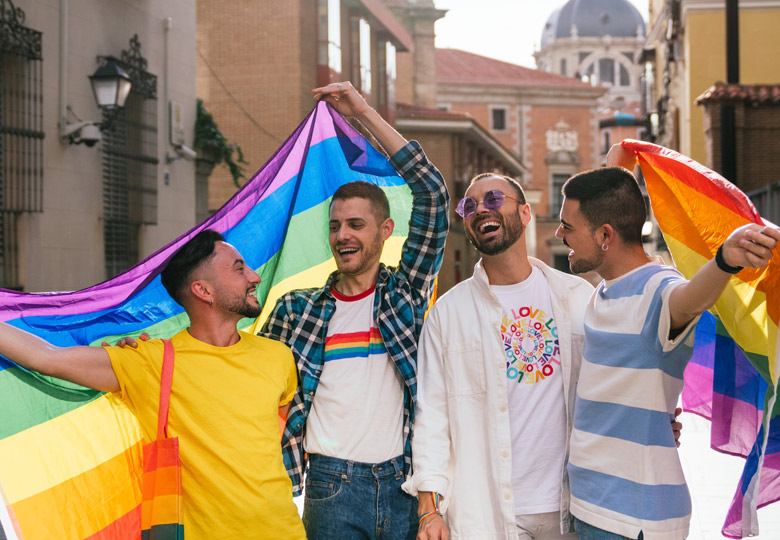
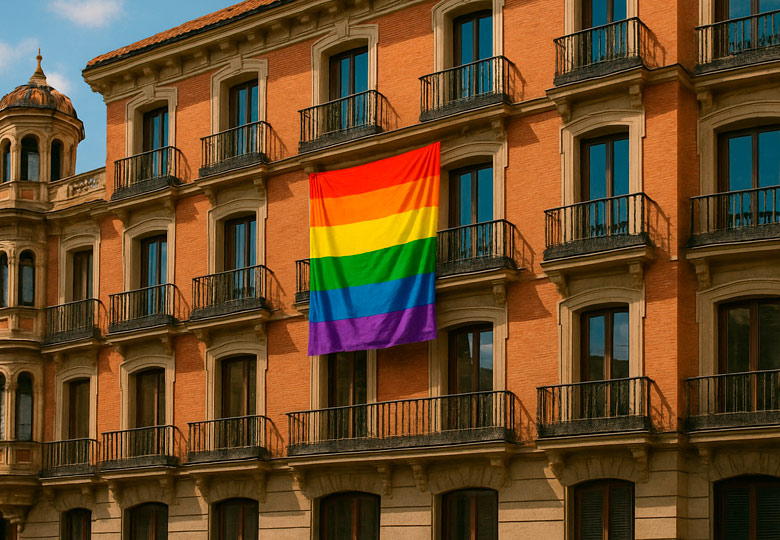
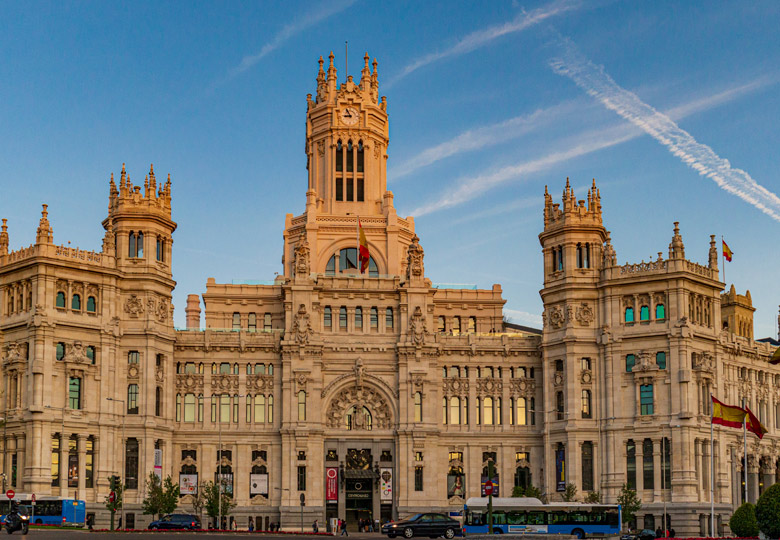
Among the most symbolic points, one of the most debated was the request to hang the rainbow flag in the Cibeles Palace during the LGTBIQ+ Pride celebrations in 2025. The proposal did not prosper. The scene became tense when socialist councilor María Caso displayed a flag in her seat, while Vox representatives responded with national banners in theirs.

Although the placement of the flag does not directly affect legislative rights, the gesture would have represented important institutional support. To what extent do symbols matter? Are they enough to promote a culture of respect and diversity?
More Madrid and PSOE: rights, memory and protection
The initiatives of both groups included practical measures with a strong symbolic load. Más Madrid requested to expand the municipal psychological and legal support service for victims of attacks due to LGTBIphobia, as well as to position itself against the repressive policies of the Hungarian Government. They also urged criminalizing conversion pseudotherapies.
For its part, the PSOE requested an institutional event with the presence of the mayor to remember two decades since the approval of equal marriage in Spain. In addition, he proposed a municipal strategy against hate speech and the withdrawal of recognition from Milei for comments that, according to María Caso, equate homosexuality with pedophilia.
The responses of the municipal government: between progress and omissions
The delegate of Social Policies, José Fernández, responded that Madrid is “an open city and committed to diversity” and recalled that the current victim care service was promoted by the mayor himself, José Luis Martínez-Almeida. He added that work is being done on a municipal observatory against LGTBIphobia.
However, neither he nor his political group supported the inclusion of any of the proposed measures. Is it compatible to affirm a commitment to LGTBIQ+ rights while voting against specific proposals to protect or make them visible?
The extreme right and the denialism of hate
From Vox, councilor Carla Toscano accused the left of “seeking privileges for their lobby” and stated that the LGTBI flag represents “authoritarianism” and “corruption of minors.” He also questioned whether someone who rejects homosexuality is automatically accused of hate speech.
These statements provoked an immediate response from Caso, who recalled the murder of Samuel Luiz in Galicia and stressed that “it is not a matter of taste,” but of structural violence. “In the face of hatred, there is no room for neutrality,” he stated.
A city that advances or stagnates?
Beyond the words, what is worrying is the political message that is sent from the City Council: is Madrid backsliding in its commitment to diversity? Or is the way to express that support simply at stake? Although institutions ensure their support for LGTBIQ+ rights, the truth is that when the time comes to act, decisions weigh more than speeches.
📌 A critical look: What’s behind the rejection?
Although many of the rejected measures were symbolic or easily applicable, the fact that they were discarded en bloc raises doubts. Is this a question of ideology, partisan strategy or electoral calculation? One could also speak of a real lack of will to protect rights that are still threatened today. Even initiatives as concrete as strengthening a victim care service seem to have been caught up in the political noise.