
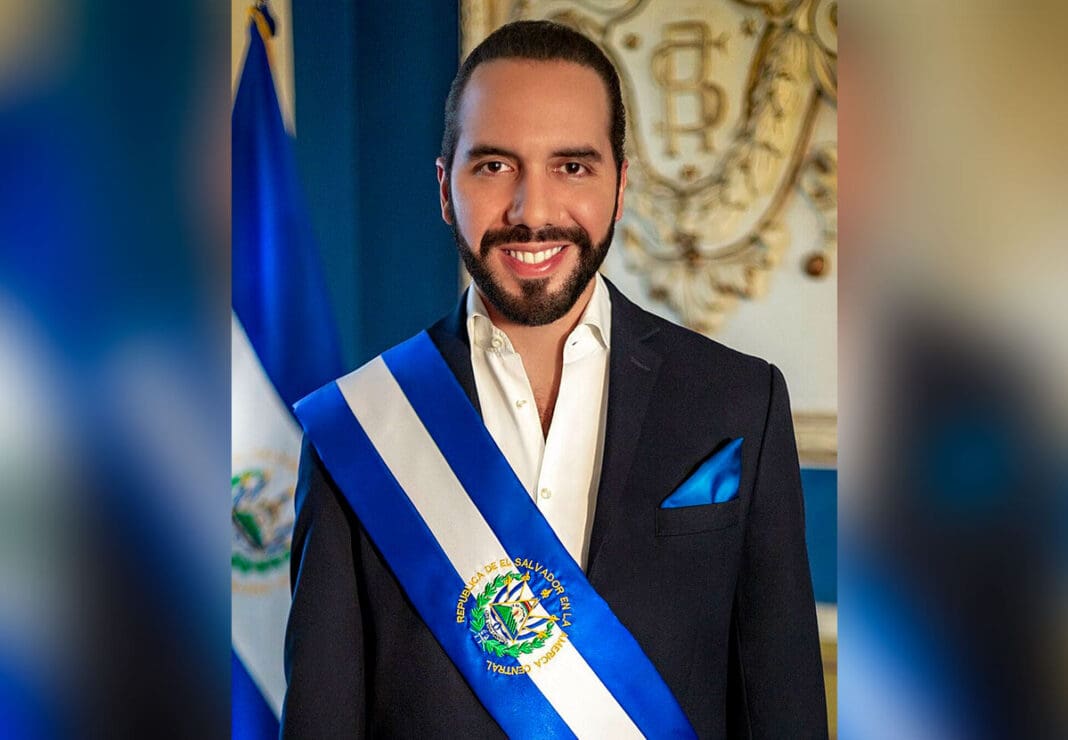
The Government of El Salvador, under the direction of President Nayib Bukele, has implemented a measure that has generated widespread debate: the ban on “inclusive language” in all public educational institutions in the country. This decision, announced by the president himself on the social network
What does this ban imply?
The measure, which went into effect immediately, explicitly vetoes the use of words and expressions that seek gender neutrality or the inclusion of diverse identities. Examples such as “child”, “student”, “everyone”, “friend”, “companion”, “young people” or “us” will not be admitted “under any circumstances” in public educational centers and offices of the Ministry of Education.
The Minister of Education, Karla Trigueros, a military officer, has been in charge of issuing the instruction, emphasizing that the ban seeks to “consolidate clear, uniform and respectful institutional communication.” This official memorandum extends to “all public educational centers and agencies of that State portfolio.”
From today the so-called “inclusive language” is prohibited in all public educational centers in our country. https://t.co/4JXb9ez3yC
— Nayib Bukele (@nayibbukele) October 3, 2025
A precedent in Salvadoran educational policy
This is not the first time that the Bukele administration addresses the issue of “gender ideology” in education. Already in February 2024, the then Minister of Education, José Mauricio Pineda, announced that “all use of gender ideology” had been “removed from public schools.” This statement came after President Bukele referred to the issue in the United States, during the Conservative Political Action Conference. At that event, Bukele expressed the importance of the school curriculum “not carrying this gender ideology and all these things,” and that parents “be informed and have a say in what their children are going to learn.”
The ban on inclusive language in El Salvador opens a space for reflection. Is inclusive language a “linguistic deformation” or a natural evolution of language to reflect a more diverse society? To what extent should governments intervene in the way language is used in education? What impact does this measure have on the LGTBIQ+ community and on the perception of diversity in new generations?
This decision raises questions about the autonomy of language, freedom of expression and the role of education in building a more equitable and inclusive society. The debate is underway and its implications go beyond Salvadoran classrooms.