

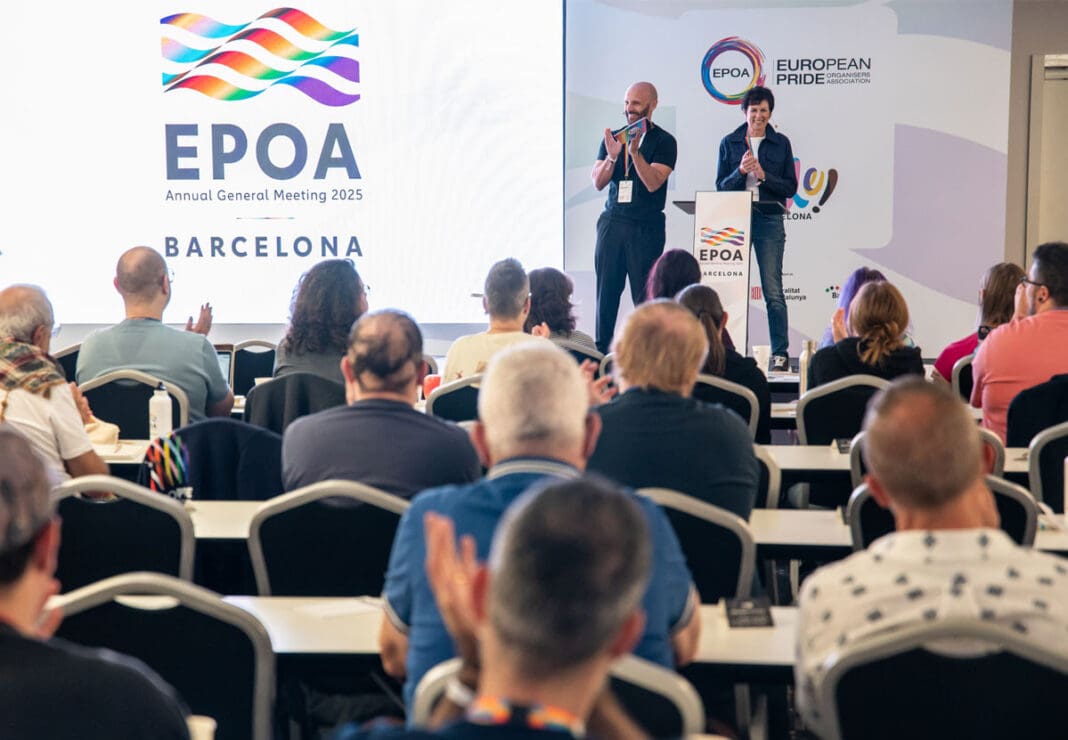
From October 9 to 12, Barcelona became the most relevant meeting point for the European LGTBIQ+ community. The city of Barcelona hosted the Annual General Meeting (AGM) of the European Pride Organizers Association (EPOA), an annual event that brings together the main organizers and representatives of the Prides from across the continent. This year, the edition, promoted by Pride Barcelona, has marked a milestone by being the most massive and extensive AGM to date, bringing together more than 200 attendees of various European nationalities.
United Voices for the LGTBIQ+ Future
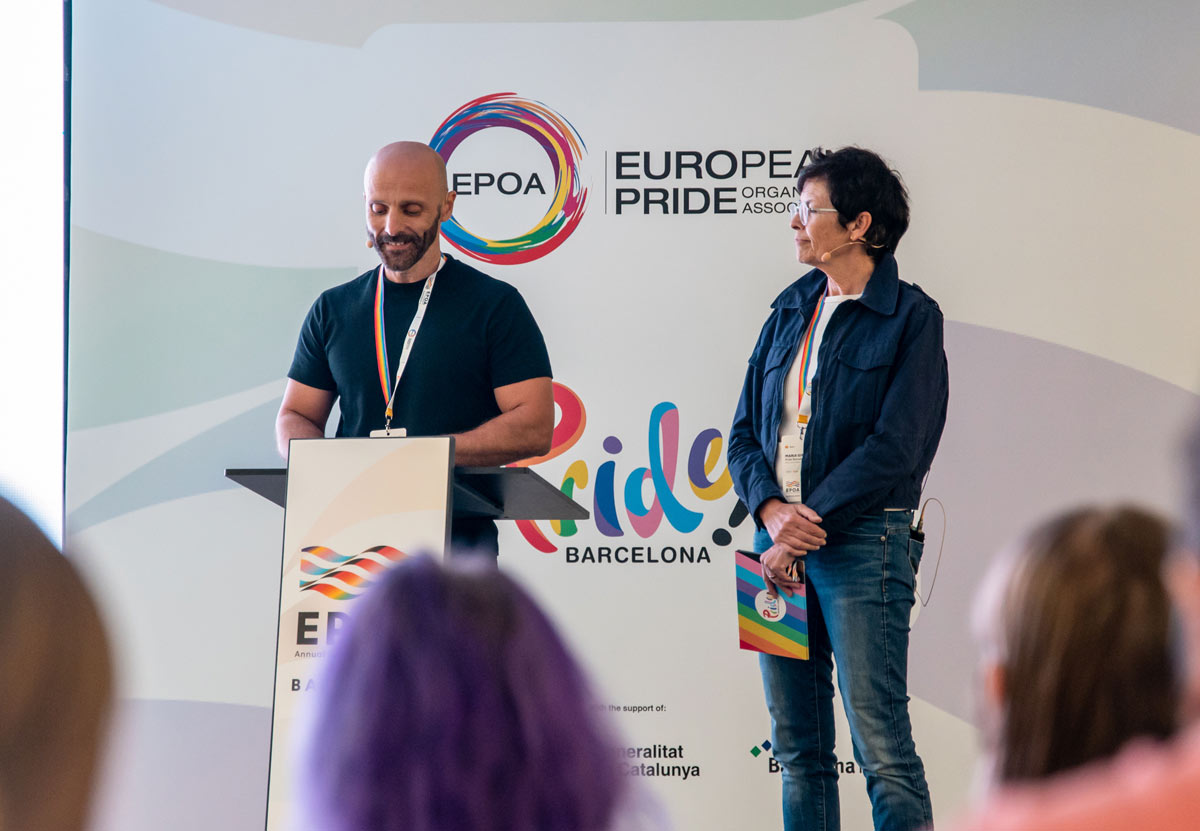
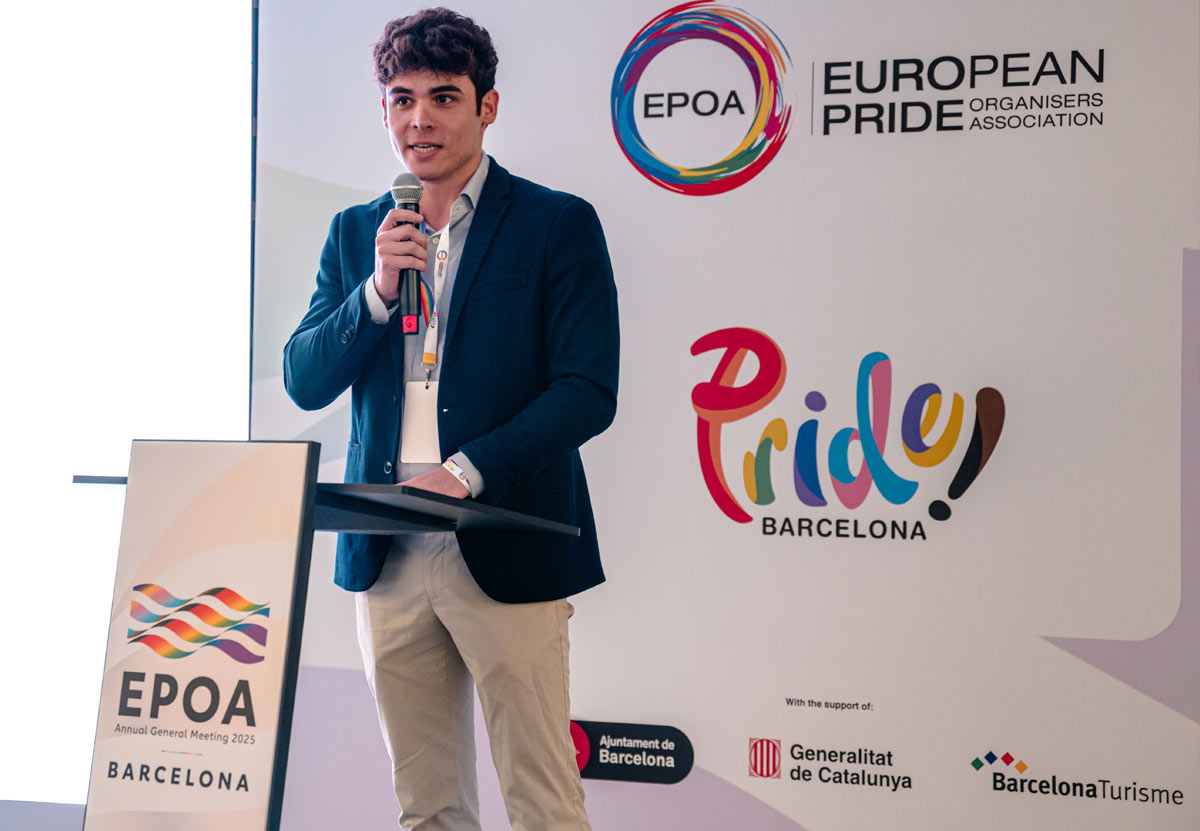
The opening ceremony was a reflection of the commitment of the city and the organization. Ferran Poca, president of Pride Barcelona, and Maria Giralt, vice president and director of social sphere, welcomed the participants, underlining the importance of this meeting at a crucial moment for the LGTBIQ+ movement in Europe. For four intense days, attendees immersed themselves in deep debates about the situation of the group in different corners of the continent.
11 workshops and working groups were held that addressed a wide range of topics. Among them, the sessions dedicated to Budapest Pride, a movement that has faced political challenges, and to Ukrainian Pride, which persist in times of conflict, resonated strongly. The international perspective was also present with presentations such as Rahul Upadhyay, co-president of InterPride, who explored the history of the group in South Asia, and Gregory Rodrigues, representative of Brazil, who shared the political strategies and the situation of LGTBIQ+ rights in his country.
Pride Barcelona also took advantage of the occasion to present its own workshop, focused on the transformative power of a WorldPride as a tool for social change. This initiative is part of its ambitious candidacy for Barcelona to host WorldPride 2030. Could an event of this magnitude catalyze even greater social change on a global level?
Institutional Support and Recognition
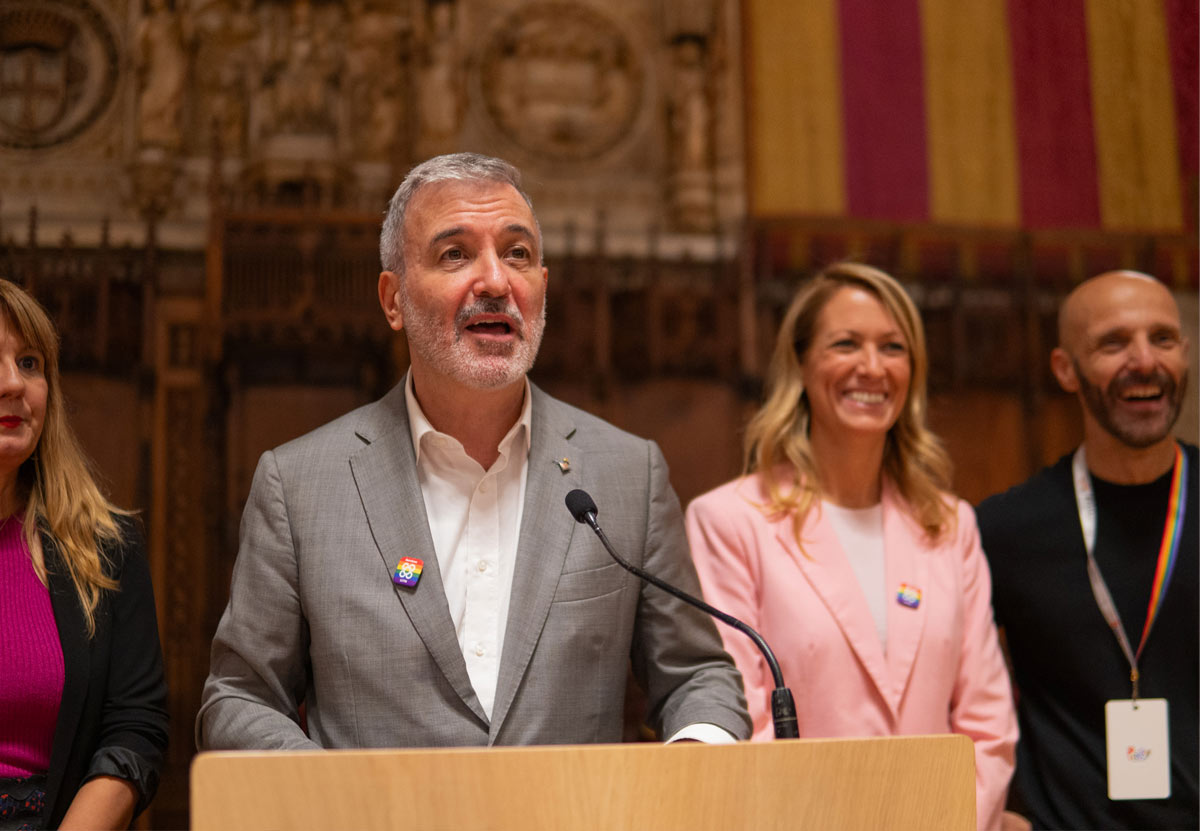
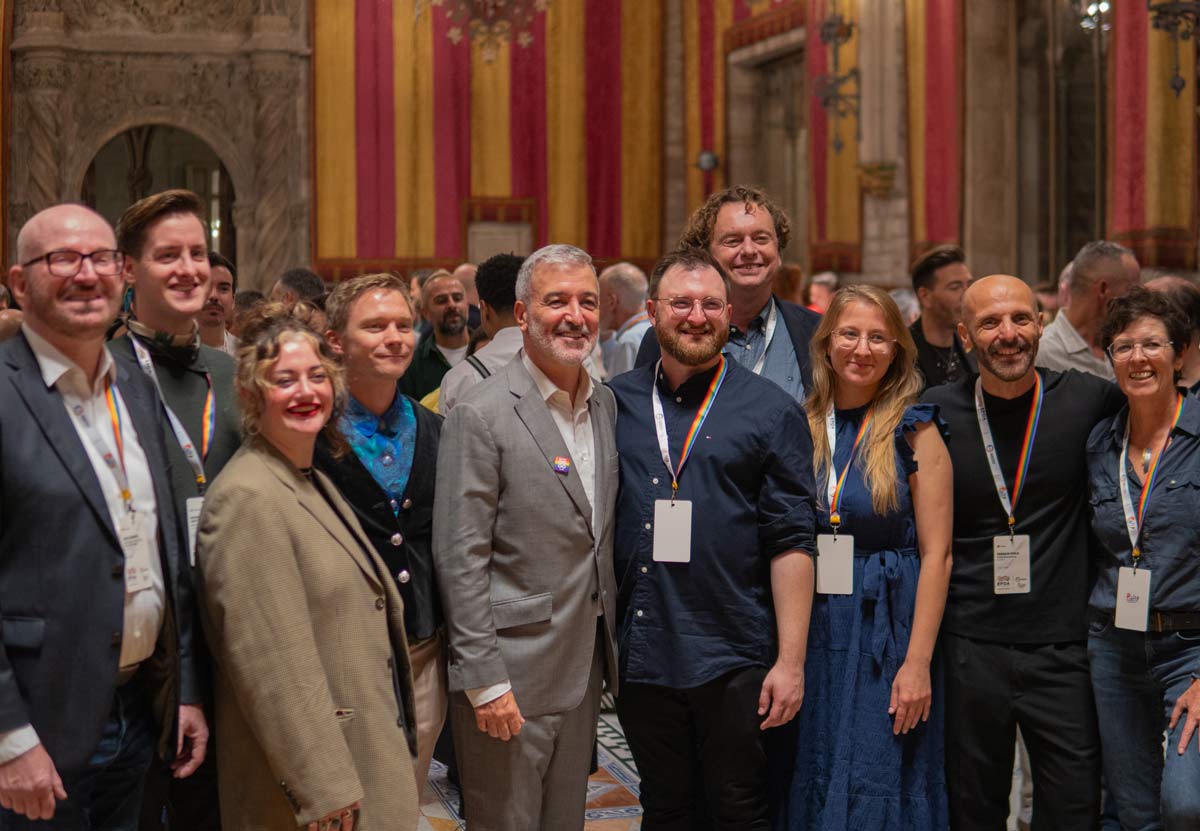
The convention officially began on Thursday, October 9, with an institutional reception in the emblematic Saló de Cent of Barcelona City Council. Mayor Jaume Collboni officially welcomed the international delegations and LGTBI+ entities of the city, consolidating the support of local and national institutions. Javier Rodríguez (Commissioner of Childhood, Adolescence, Youth and LGTBI Policies of Barcelona City Council), Alberto Lacasta (General Director of LGTBI+ Public Policies of the Generalitat of Catalonia) and Rosa Bada (Director of Tourism and Tourism City of Barcelona) were present, demonstrating a unanimous commitment to diversity and equality.
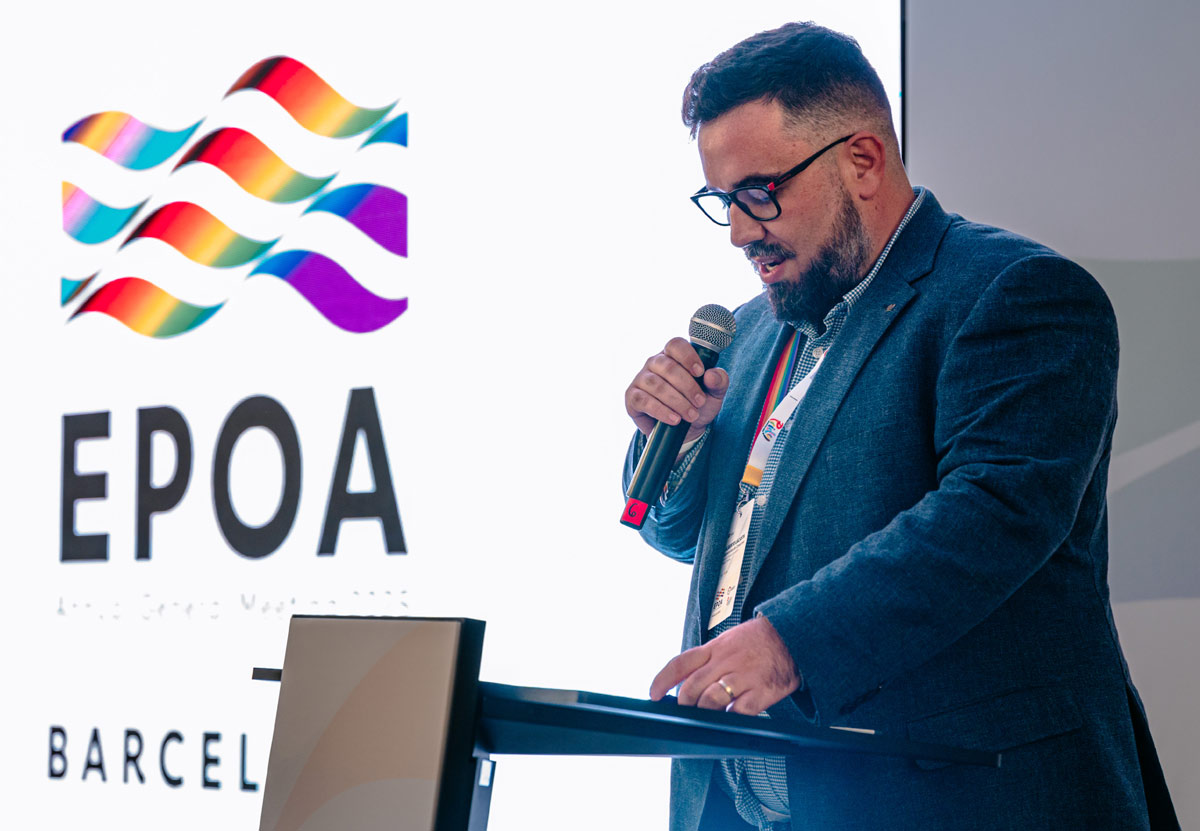
During the general assembly, a key moment was the vote to choose the host city of EuroPride 2028. West Ireland was the winner, strengthening its role in the European panorama of diversity and the visibility of the group.
Beyond Debate: Celebration and Connection
The AGM was not only a space for debate and work, but also for celebration and strengthening ties. The participants enjoyed playful and festive moments that generated an atmosphere of camaraderie and unity. They highlighted the event at the Tibidabo Amusement Park, where a group of castellers and the renowned Barcelona drag performer Pitita offered an unforgettable show. The gala dinner at Llotja de Mar was another high point, providing attendees with a memorable night.
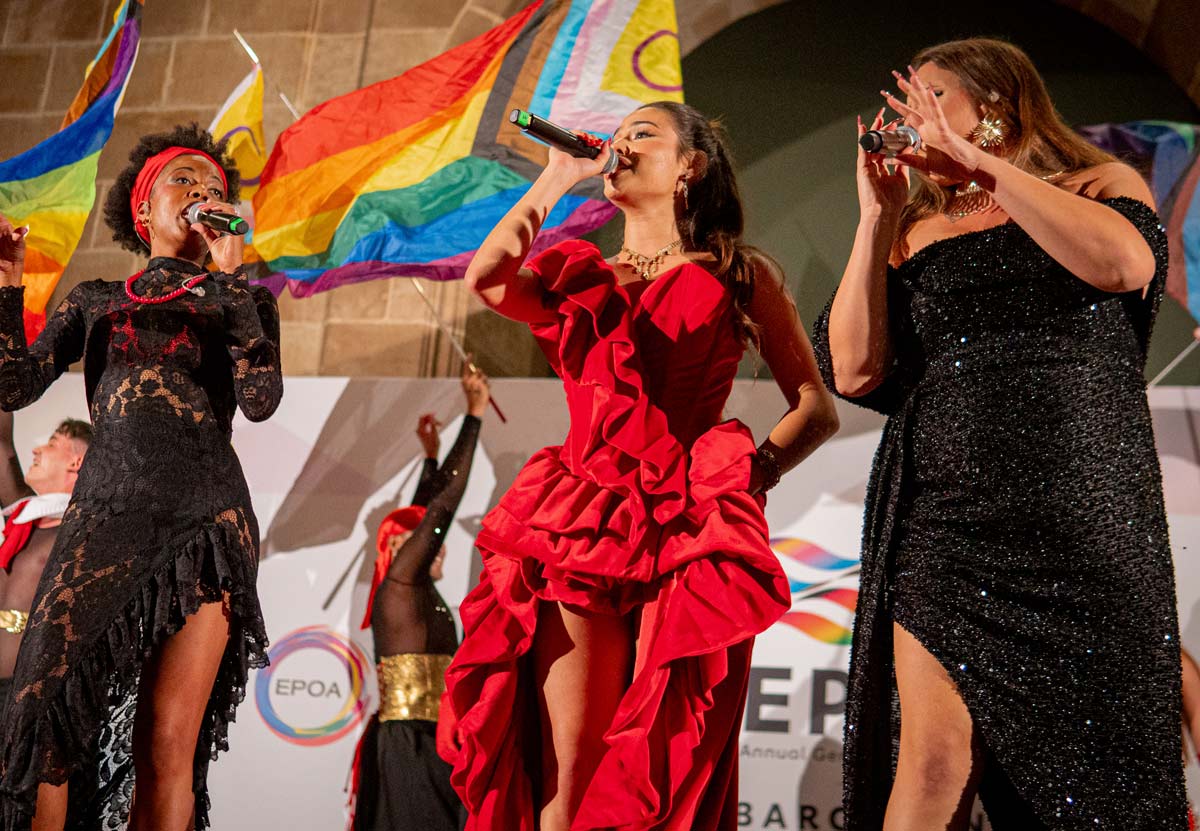
On Sunday, to close the convention, delegations embarked on a hop-on hop-off bus tour, guided by Barcelona-based drag queen Red Velvet. This experience offered a fun and inspiring look at the city’s rich history and diversity.
Pride Barcelona wanted to extend a special thank you to the entire team of volunteers and technical staff, whose dedication and professionalism made this historic meeting possible. Without their involvement, commitment and passion, this event would not have reached such magnitude.
With the celebration of this AGM, Barcelona reaffirms its position as an international reference for Prides and the defense of LGTBIQ+ rights. The city demonstrates, once again, its capacity for hospitality, organization and an unwavering commitment to diversity, equality and human rights. What other steps can we take, as a society, to continue building a more inclusive future for all?