
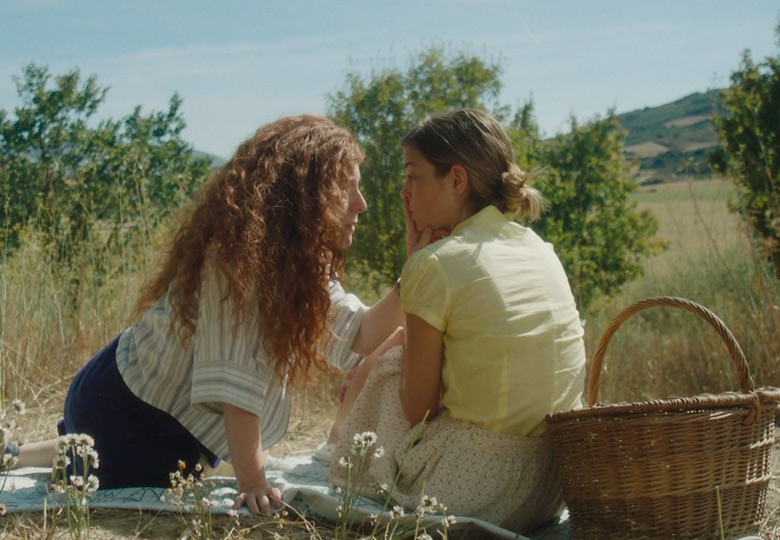

The actress and singer makes her debut as the protagonist in a story of forbidden love between two girls who resist with tenderness and music in Navarre in 1969.
There are stories that are not only told. There are stories that are whispered, hidden… and yet they manage to scream. Censored, debut feature by Mexican director Mario Garza, is one of those. Shot in the Navarrese landscapes of the Valdizarbe Valley and set in Franco’s Spain in 1969, this film arrives with a clear proposal: to excite, to bother and, above all, to awaken memories that are still too vivid.
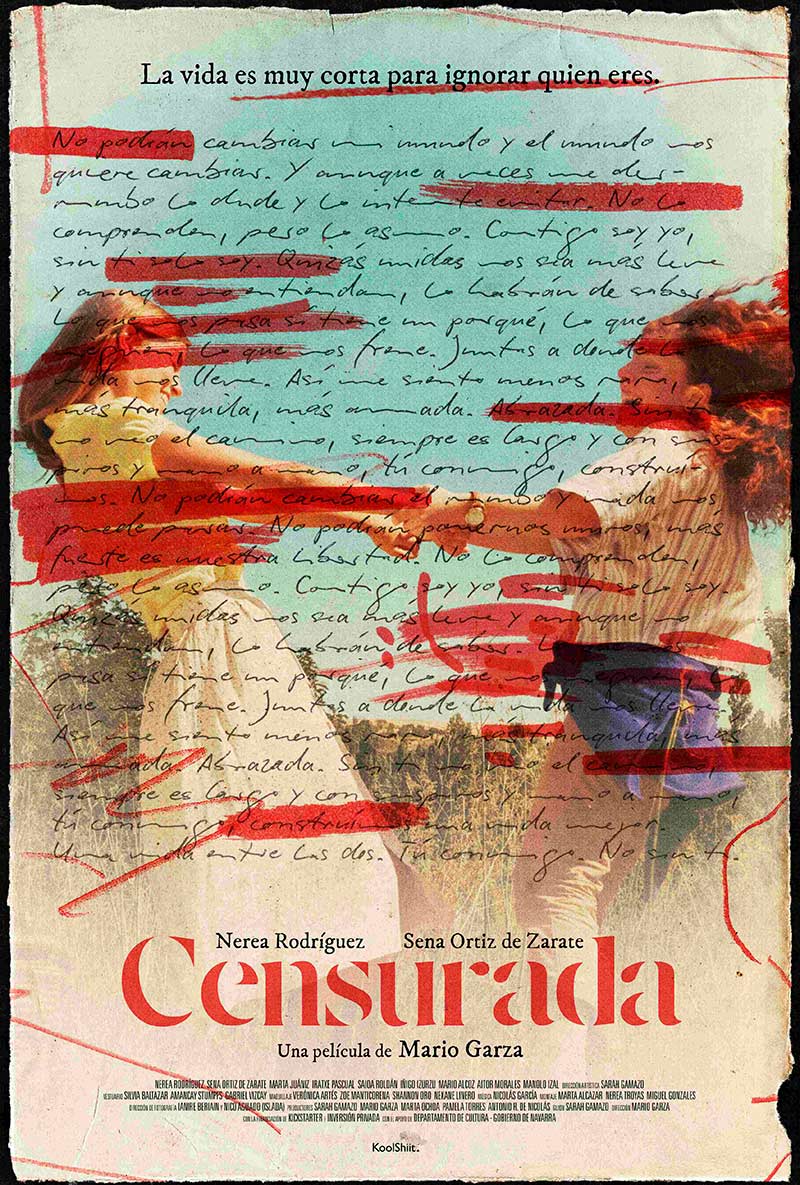

The film, starring Nerea Rodríguez —known for her role in La Llamada and her time in Operación Triunfo 2017— and the actress and dancer Sena Ortiz de Zárate, delves into a forbidden relationship between two girls who just want to be free in a country that does not allow it.
A story of love and resistance
Salomé (played by Nerea Rodríguez) is an 18-year-old girl with dyslexia, a talent for music and a recent injury: the death of her brother on the same day she was supposed to audition in Pamplona. Her father, unable to understand her, sends her to a town to take care of her priest uncle. There he meets Miranda (Ortiz de Zárate), a girl who dreams of escaping the destiny that has been assigned to her: marry, stay, obey.
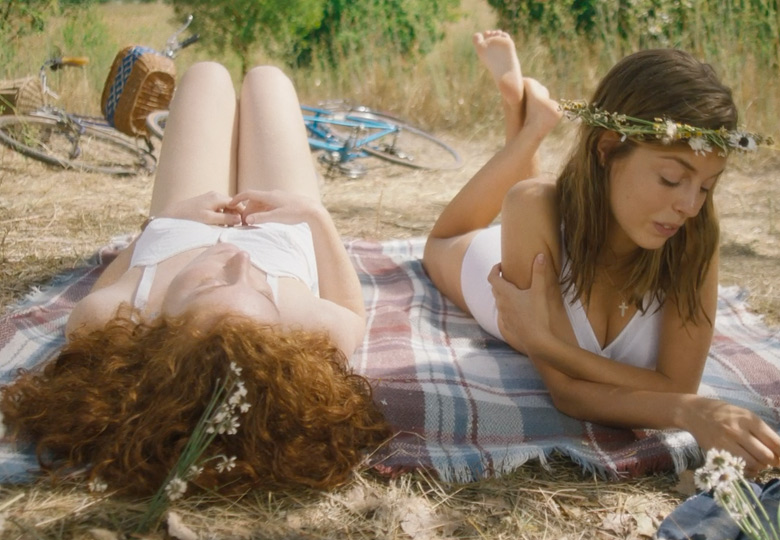
Between the two, something is born that escapes any label, but that the environment—conservative, vigilant, cruel—is quick to point out. They share books, songs, silences, and little by little, that bond transforms into love. A love that must face rumor, the control of the Church and the censorship that not only cuts headlines, but also identities.
Can such a pure feeling become a threat? In Censored, the answer is yes. But it also raises another question: what happens when love becomes the only possible form of rebellion?
Light in times of shadow
Far from showing a gray dictatorship, the artistic direction, led by Sarah Gamazo, seeks beauty even in the most oppressive corners. Warm colors, open skies, a nature that becomes a refuge and symbol of what cannot be controlled. All of this contributes to an atmosphere that combines poetry with harshness, tenderness with fear.
Nerea Rodríguez brings a heartbreaking serenity to her role. Through original songs composed by Linguista (Aitana López), the artist fuses her musical talent with an interpretation full of nuances. For his part, Sena Ortiz de Zárate dazzles in his first feature film with a physical presence that says it all, even when nothing is said.
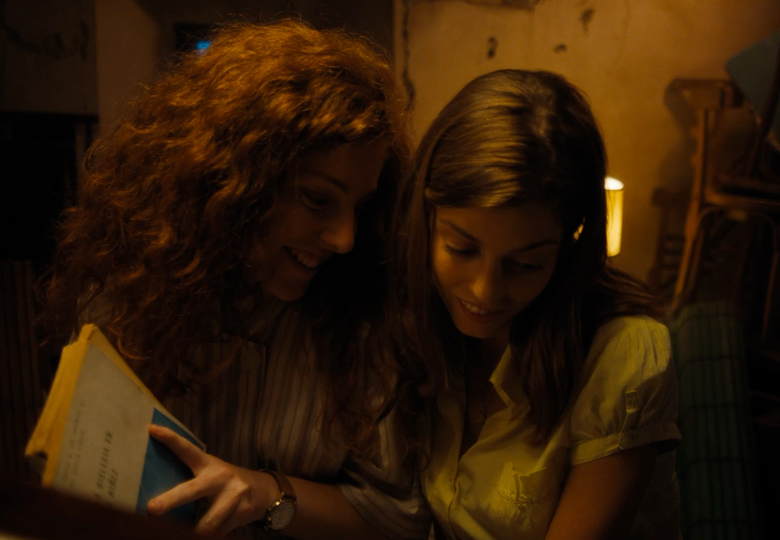
Desire as a political force
Beyond the romantic drama, Censored is a deeply political film. He doesn’t need big speeches. It is enough to show a look, a gesture of care, a kiss that is not permitted, for the entire system to falter. Because when everything is prohibited, living authentically is already a form of struggle.

“Silence also censors. We were educated to hide what we felt, so as not to be too different,” reflects Mario Garza, who confesses that he still feels like Salomé and Miranda. The director, based in Los Angeles, wrote this story from the personal need to heal. And in that process, it also opens a door so that others can do it.
Why do we still need these stories?
Sometimes we think that stories set during the Franco era only look back. But Censored also sends a warning to the present: let us not take the rights we have achieved for granted. Because even today, in many corners, love is still a cause for suspicion. Even today, many LGTBIQ+ people continue to hide their history out of fear.
What if this film was not just a portrait of the past, but an uncomfortable mirror of the present? What if censorship hadn’t gone away at all, it had just learned to disguise itself?