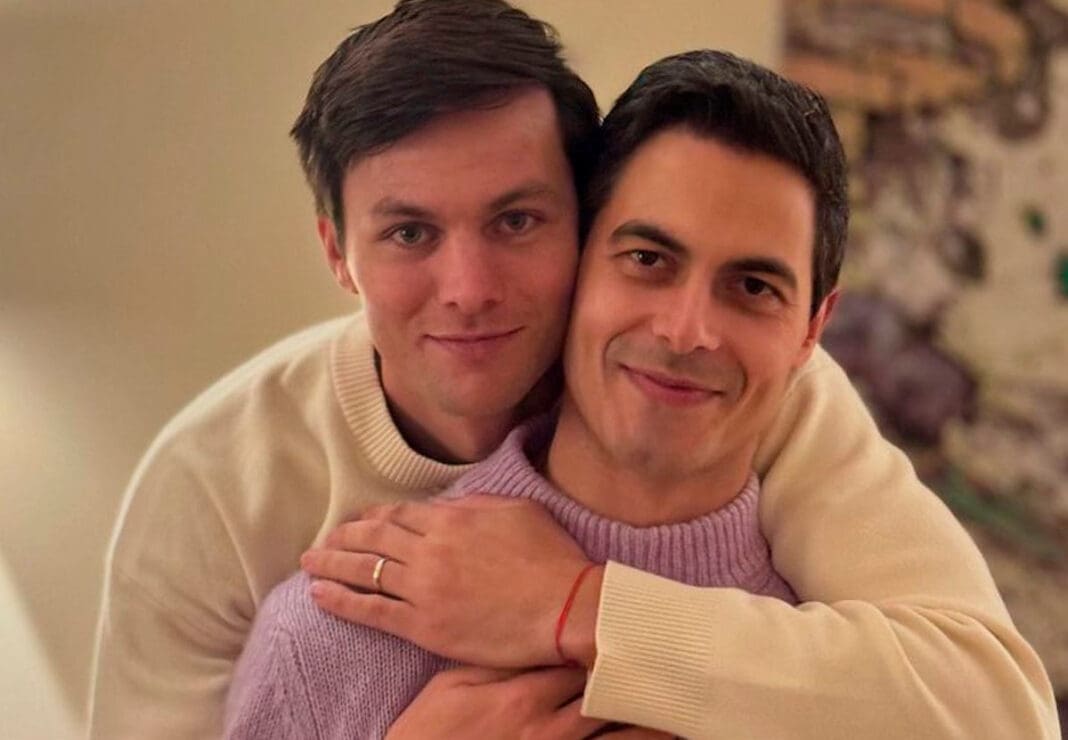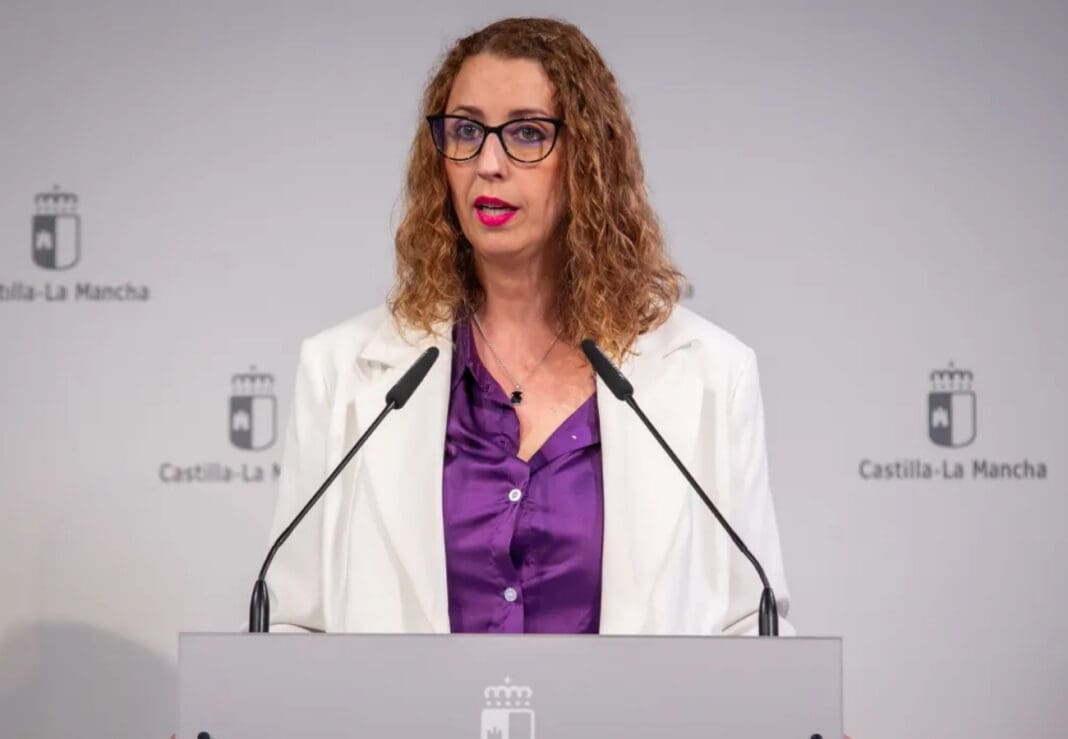

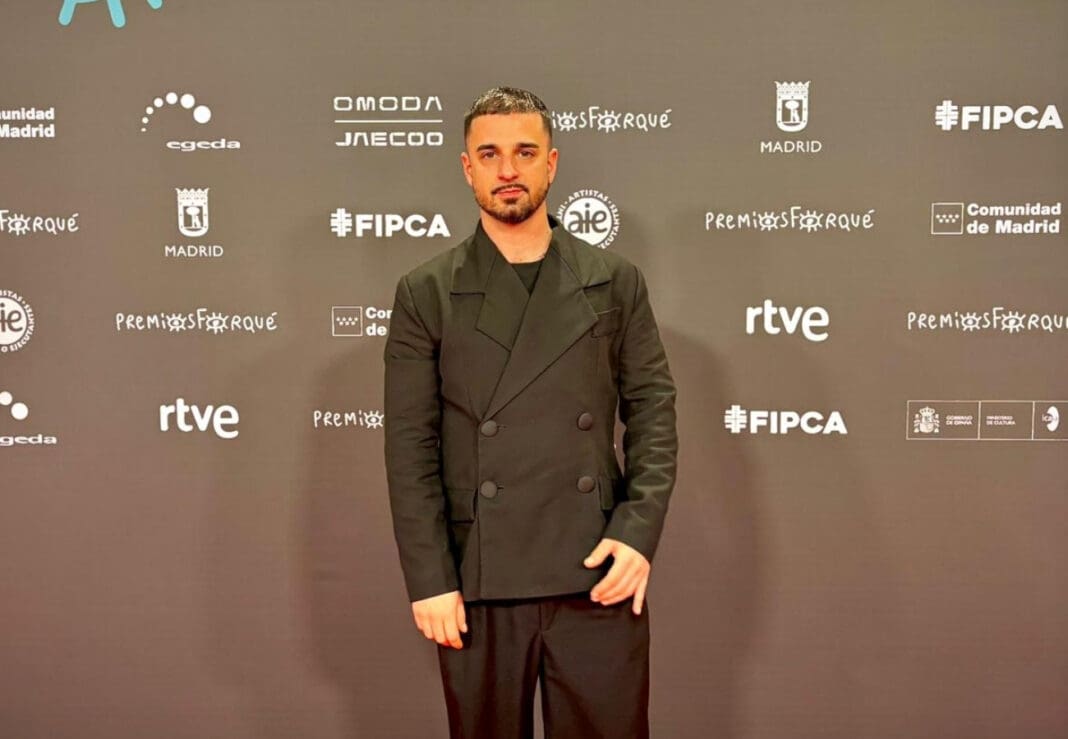
The deputy in the Madrid Assembly warns of the setback in LGTBIQ+ policies, denounces the dismantling of educational and health programs and defends Pride as a wall against the normalization of hate.
Madrid boasts of being an open, diverse region and proud of its plurality. But beneath this showcase image, political tensions, legislative setbacks and an increasingly tense social climate around LGTBIQ+ rights coexist.
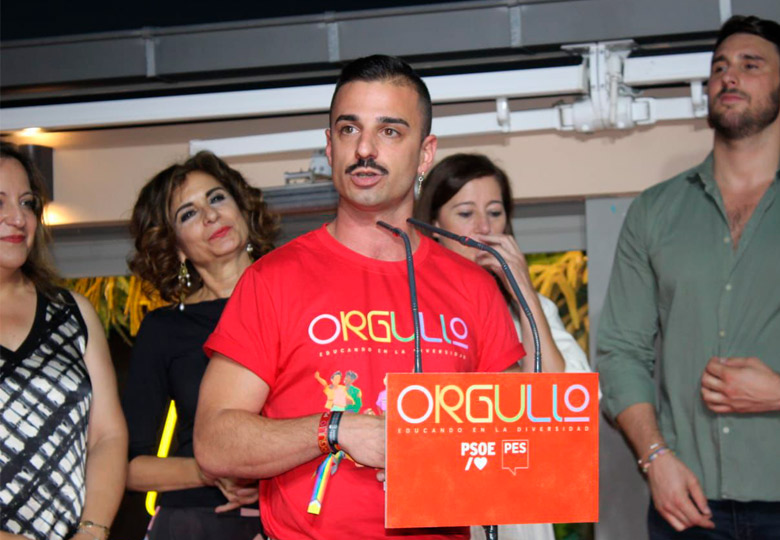
For Santiago Rivero, deputy in the Madrid Assembly and historical activist of the collective, the current moment is not one of complacency but one of alert. It talks about cuts, the dismantling of programs, speeches that normalize homophobia and a community that, despite legal advances, feels that it once again has to defend what has already been achieved.
In this conversation he analyzes the political direction of the region, the role of institutions and the state of mind of LGTBIQ+ citizens who, between fatigue and resistance, refuse to take a step back.
Rainbow Magazine: Santiago, when you look at Madrid right now, what feeling do you have about how the LGTBIQ+ community is experiencing this moment?
I have the feeling that we are worse than when I joined COGAM in 2012. Although we have made brutal progress at the legal level, it seems that it has become fashionable again to be homophobic or ridicule LGTBIQ+ people, especially trans people.
I believe that the PP is totally out of hand on this matter and, despite the fact that they have visible gay people in important positions, they deny their own rights and denigrate the struggle of people and organizations that have allowed them, precisely, to occupy positions of power today.
I hope being an LGTBIQ+phobic person stops being fashionable soon.
Rainbow Magazine: Madrid is often spoken of as an open and diverse region. In your day to day life, where do you notice the most that this speech does not fit with what many LGTBIQ+ people really experience?
I agree that Madrid, in general terms, is an open and diverse region, not only in regards to sexual diversity, but also to people from other territories or other religions. Many diverse people live here and, with specific exceptions, coexistence and respect is very good. But for a few years now, we have had a part of the political class, which also governs us in the region and in many city councils, who have become self-conscious about the extreme right and have bought into their postulates regarding the rights of LGTBIQ+ people. The PP has decided to abandon all clear defense of the community. Now our flags bother them, they consider the associations to be beach bars (after having collaborated with them for years) and they complain, like Ayuso, that Pride used to last a week and now lasts a month. I wish Pride, as a moral and political concept, would last for all of us all year long. Because it cannot be difficult to recognize rights and recognize the struggle of people who have been fighting for centuries simply because we are respected for being who we are.
Rainbow Magazine: From within the Assembly, has there been any decision or movement in recent years that made you think: we are going backwards here?
Totally. First of all, the position of the PP every time we bring an LGTBIQ+ initiative. His frontal opposition to anything that has to do with it. Furthermore, Ayuso did not need VOX to cut two laws that were once leading nationally and internationally and that recognized rights and protected members of the group from discrimination. Not so long ago, when Pride was celebrated, the flag of freedom, the rainbow flag, flew proudly at the headquarters of the presidency of the community of Madrid and at the City Hall. In my first intervention in the Assembly, back in 2021, I told the PP that my goal while I was in the institution was for them to come to their senses, vote in favor of initiatives for LGTBIQ+ rights and proudly defend what we should all defend. Today, unfortunately, we are much further from that than in 2021.
Rainbow Magazine: When LGTBIQ+ laws, programs or resources are cut, what is the first thing you notice that changes in the lives of people in Madrid?
First of all, the false information and hoaxes that spread from institutions to us. We cannot tolerate the president of the Community of Madrid presenting trans people as dark or dangerous people, questioning the use of bathrooms in schools and sports centers, as if trans people were sexual predators. Because then it turns out that where pedophilia and sexual predation do occur, as in the Eipstein Case, there is not a single trans person involved, but Aznar’s name does appear. They are doing demagoguery and populism with our lives, putting them in danger, because spreading hoaxes and hate speech translates into hate crimes against people in the group.
Rainbow Magazine: If we talk about education, what climate would you say exists right now in Madrid classrooms for LGTBIQ+ children and adolescents?
Horrible. Diversity or protection programs against harassment due to LGTBIQ+phobia are being dismantled. LGTBIQ+ associations have been criminalized to sow doubts in families and prevent them from simply letting their children hear that LGTBIQ+ people exist, that we are equal in difference, and that we deserve the same respect and dignity as the rest of our colleagues. We have an advisor placed there by President Ayuso’s homophobic and ultra guru, the well-known Rasputin, who not long ago wrote articles saying atrocities about us. In the government of the Community of Madrid, homophobia and hatred have taken hold against everyone who they consider cannot be part of our society on an equal basis.
Rainbow Magazine: In health and social care, do you feel that Madrid takes better or worse care of LGTBIQ+ people today than it did a few years ago?
In health matters, all Madrid residents are worse served than a few years ago. But it is not a question of saturation due to immigration as VOX says or a lack of doctors as the PP maintains. It is a permanent and coordinated strategy so that companies associated with private and concerted healthcare (including the company that showers the president’s boyfriend with thousands of euros) get rich. It is a strategy to deteriorate public health to justify showering their colleagues at Quirón or Ribera Salud with public money and, in addition, contracting private insurance precisely with those companies.
Rainbow Magazine: Madrid boasts a lot about its Pride. Are you worried that such a powerful image coexists with policies that do not always go in the same direction?
Madrid Pride has been built over the decades by the efforts of organizations, the commitment of citizens and the apathy of the institutions historically governed by the PP. I still remember when Ana Botella, then mayor, went to Berlin to promote Pride while in Madrid she eliminated places or fined the organization year after year.
They know that they cannot fight Pride. They have tried everything: taking us to the Casa de Campo, increasingly limiting the use of public space for our demand and our celebration, putting on headphones to enjoy the concerts. And they haven’t been able to.
Madrid Pride has to serve as a retaining wall against the ultra and homophobic policies of Ayuso and Almeida. We have to tell them that we are not second-class citizens, that we are not going to allow insults or jokes from the last century and we are not willing to go back into the closet.
Rainbow Magazine: If you had to point out something that Madrid, as a society, has a hard time looking at when we talk about diversity, what would it be?
The situation that many trans women suffer from poverty or prostitution or the situation of many LGTBIQ+ colleagues, especially migrants, who are even homeless because they came here believing that they could live a better life. Even within the group, the margins and poverty bother us and make us uncomfortable, and we should have more responsibility so that people who flee places because of who they are, can have a better future and a full life in our country.
Rainbow Magazine: To close, if an LGTBIQ+ person who lives in Madrid tells you that they are tired or discouraged with the current panorama, what would you say to them today?
Me too. But we have to continue making ourselves visible and fighting because our dignity, our lives and our rights are worth it. That it is very cold in the closet and that we have the responsibility of leaving our children and adolescents in the community and society in general a better future.