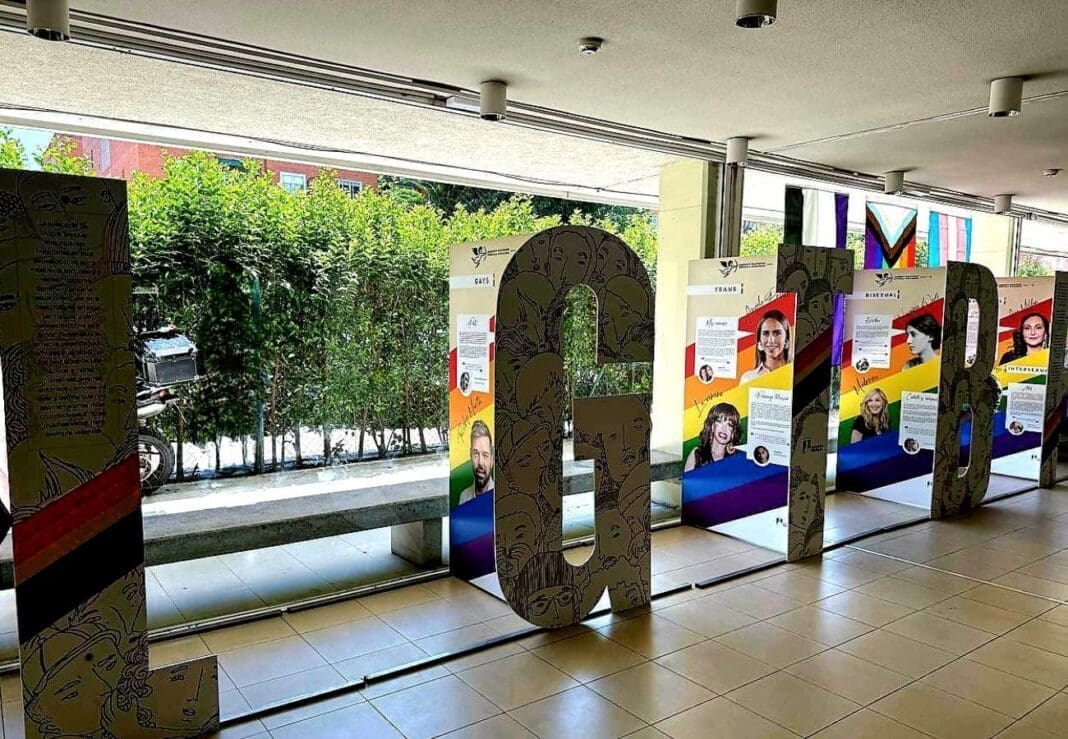

- More than a dozen specialists in Madrid are analyzing new strategies to combat a structural reality: 50% of the group has suffered hate in the last year.
- Prosecutor Miguel Ángel Aguilar points out underreporting as the great challenge: 80% of victims of LGTBIphobia still do not go to the authorities.
- The Prosecutor’s Office highlights a key legal change: discriminatory insults in the street are now considered public crimes and not private ones.
The fight against LGTBIphobia In Spain it has reached an unprecedented legal maturity, but the street-level figures are still alarming. This has been revealed in the IV Conference on Innovation in Intervention with Odi Crimesor organized by the LGTBI+ State Federation. The meeting, which brought together jurists, psychologists and activists, has served to send a strong message: hate is not a problem of a minority, but a direct threat to democratic coexistence.
The silent “epidemic” of underreporting
Despite legal advances, fear continues to win the battle in police stations. The Prosecutor of the Coordinating Chamber against Hate Crimes, Miguel Angel Aguilar, closed the day by pointing out “the great challenge” that 80% of victims do not report. However, he has sent a message of hope based on data: since the creation of the Specialized Unit in 2023, convictions and indictments have grown substantially.
Aguilar has highlighted a transformative legal milestone: thanks to the criteria of the Prosecutor’s Office endorsed by the Supreme Court, discriminatory insults in public spaces have ceased to be “private crimes” and are treated as public crimes. A change that allows for much more forceful action by the State in the face of daily humiliations.

A structural problem, not an isolated one
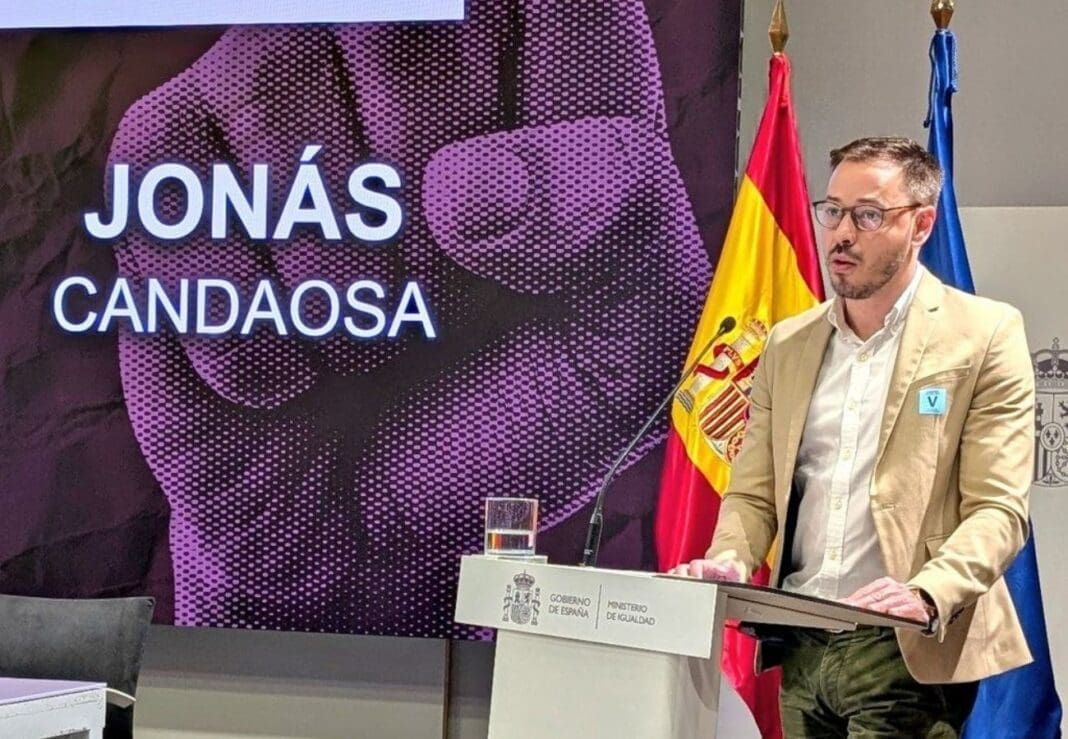
For his part, Jonás Candaosa, vice president of the LGTBI+ State Federation, has denounced that acts of hate are not isolated events, but “repeated and structural violence.” According to the data handled on the day, more than half of LGTBI+ people in Spain have been victims of some act of hate in the last year, either through physical harassment or in the increasingly hostile digital environment.
“Hate is a democratic problem and fighting it is a collective responsibility,” Candaosa defended, demanding public policies that act before violence occurs, focusing on education and a strong civil society.
Intersectionality and new aid formulas
The day also included specific work tables to address hatred against trans and intersex people, as well as the impact of discrimination on groups that cross other realities, such as gypsy people or people with disabilities.
Experts such as Bárbara Esteban and Ana Belén Valverde have analyzed new formulas for psychological and criminal support to ensure that the victim is not only judicially compensated, but also receives complete emotional restoration. The challenge for the coming months is clear: provide the State with technological tools to persecute hate on social networks, the scenario where impunity still feels stronger.