
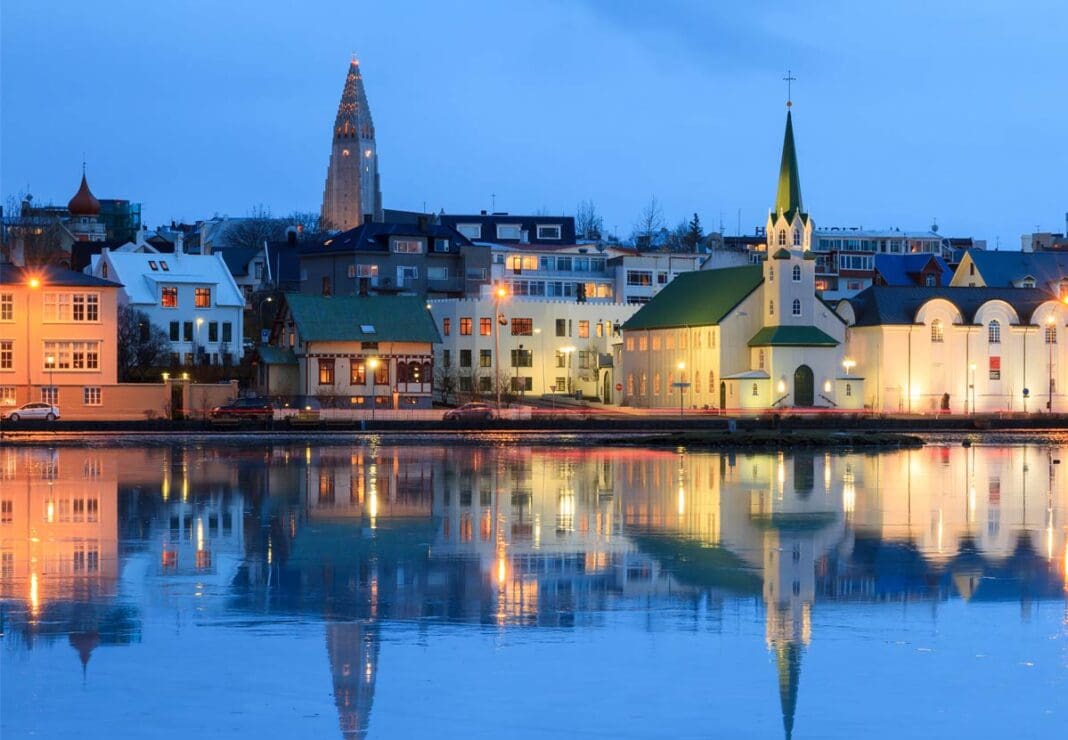
Reykjavik, the capital of Iceland, is a fascinating place where progressive culture and the natural environment are uniquely intertwined. Known for its vibrant cultural life and stunning landscape, this city is not only a tourist destination but also an example of how society can move towards equality and sustainability.
Progressive Culture: A Beacon of Inclusion
Reykjavik has established itself as one of the most inclusive destinations in the world. The city has been a pioneer in the promotion of LGTBIQ+ rights, organizing events such as Reykjavik Pride, which attracts thousands of visitors each year. This festival not only celebrates sexual diversity, but also acts as a space of visibility and empowerment for the community.
The Icelandic community’s openness to diversity is reflected in its policies. Iceland was one of the first countries to legalize same-sex marriage in 2010. This progress is framed in a context where gender equality and equity are valued and promoted by the government and civil society. The figure of Jóhanna Sigurðardóttir, the world’s first openly lesbian minister, is an emblematic example of how Reykjavik challenges traditional norms and promotes positive change.
Nature: A Unique Environment
Reykjavik not only shines for its progressive culture, but also for its natural environment. The city is surrounded by stunning landscapes including mountains, volcanoes and hot springs. One of the main attractions is the famous Blue Lagoon, a geothermal spa that has become a symbol of relaxation and well-being. The mineral-rich waters are not only a delight for the body, but also a reminder of the power of Icelandic nature.
The proximity to nature encourages an active and healthy lifestyle among city residents. Hiking, cycling and northern lights viewing are just some of the activities that can be enjoyed in this region. Furthermore, respect for the environment is palpable, with initiatives that promote sustainability and the use of renewable energy. Iceland produces almost 100% of its electricity from geothermal and hydroelectric sources, making it a world leader in sustainability.
Art and Culture: A Reflection of Society
Reykjavik’s cultural life is equally rich. The city is home to numerous museums, galleries and theaters that reflect the history and diversity of its people. The Reykjavik Art Museum, for example, features works by contemporary artists, many of which address themes related to identity, nature, and community.
The Reykjavik Arts Festival, held every two years, is another manifestation of creativity and social commitment. This event brings together artists from various disciplines, promoting dialogue and inclusion in a space where the community can connect through art.
Despite Reykjavik’s achievements in rights and sustainability, it is important to ask: is the city really meeting all expectations of inclusion and equity? How can we ensure that all groups, especially those in vulnerable situations, have access to the same opportunities? These questions invite deeper reflection on the challenges that still persist in Icelandic society.
However, not everything is perfect in Reykjavik. Despite its progressive reputation, there is criticism about the lack of representation of certain communities within society and the risk that mass tourism could affect local culture. Furthermore, some argue that although there are inclusive policies, the actual implementation of these may be uneven. The intersectionality of the identity and experience of LGTBIQ+ people is not always reflected in public policies, raising questions about the true effectiveness of these advances.
Reykjavik is a role model in many ways: its commitment to LGTBIQ+ rights, its connection to nature and its rich cultural life are examples of how a city can move towards a more inclusive and sustainable future. However, critical reflection on its practices and policies is essential to continue the path towards true equity. In the end, the question remains: how can other cities learn from Reykjavik and apply these principles in their own communities?